
South Australia
Dark Sky Astrophotography
Tour Collection: Photography

4 Days
7 People
Easy
This four-day tour runs from Melbourne east through the Gippsland Lakes to Raymond Island, then on to Orbost, where you spend three nights at a homestead above the town. From there, the days work outward into lowland rainforest, coastal heath and the mountain forests around the Snowy River, before the tour finishes in Melbourne on the fourth morning.
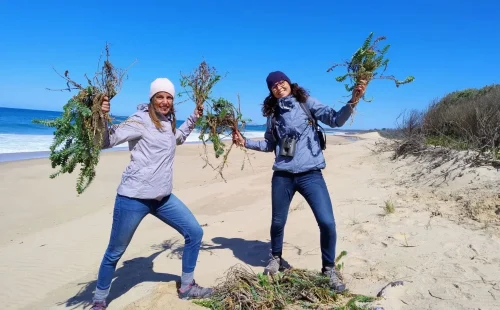
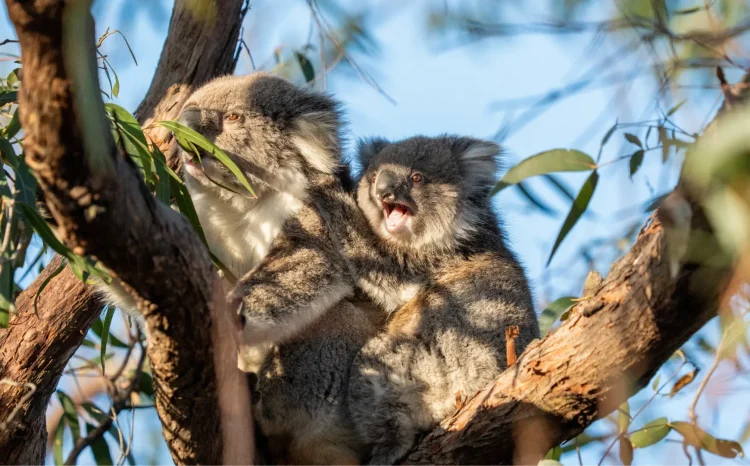
What guests record is used. On Raymond Island, the group observes wild koalas. On the coast and in the burnt country east of Orbost, the bird and mammal counts feed habitat-recovery surveys, and a morning on the beach goes to pulling sea spurge, a European dune weed that crowds out the open sand Hooded Plovers need to nest on. The koalas on Raymond Island are themselves a conservation story: the population descends from animals introduced in 1953, and the island is now one of the most reliable places in Australia to watch wild koalas from the ground.
East Gippsland carries more habitat types in a short drive than almost anywhere else in Victoria. The Gippsland Lakes were listed under the Ramsar Convention on 15 December 1982, cover 60,015 ha, and hold up to 50,000 waterbirds when inland wetlands dry out. The Snowy River runs 352 km from the slopes of Mount Kosciuszko to the sea at Marlo, and for decades ran at less than 1% of its natural flow past Jindabyne before environmental releases were restored. The 2019–20 fires burnt more than 870,000 ha of the region, 59% of it at high or very high severity, which is why the pockets that did not burn — the damp rainforest gullies, the fern creeks — now matter out of all proportion to their size, and why counting what lives in the burnt ground next door is worth doing.
The tour suits birders, wildlife watchers and people who want their travel to produce something. Days are slow and observational rather than long-distance walking, and the group is capped at seven so the vehicle can stop when something is worth stopping for. No birding or field experience is needed; the recording protocols are taught on the first morning. Solo travellers are common on this tour.
Day 1
Melbourne to Orbost via the Gippsland Lakes and Raymond Island

Your guide collects the group in Melbourne at 8am and heads east. The road runs through the Gippsland Lakes, a Ramsar-listed wetland system of 60,015 ha that holds up to 50,000 waterbirds when inland Australia dries out, and is the largest navigable inland waterway network in the country.
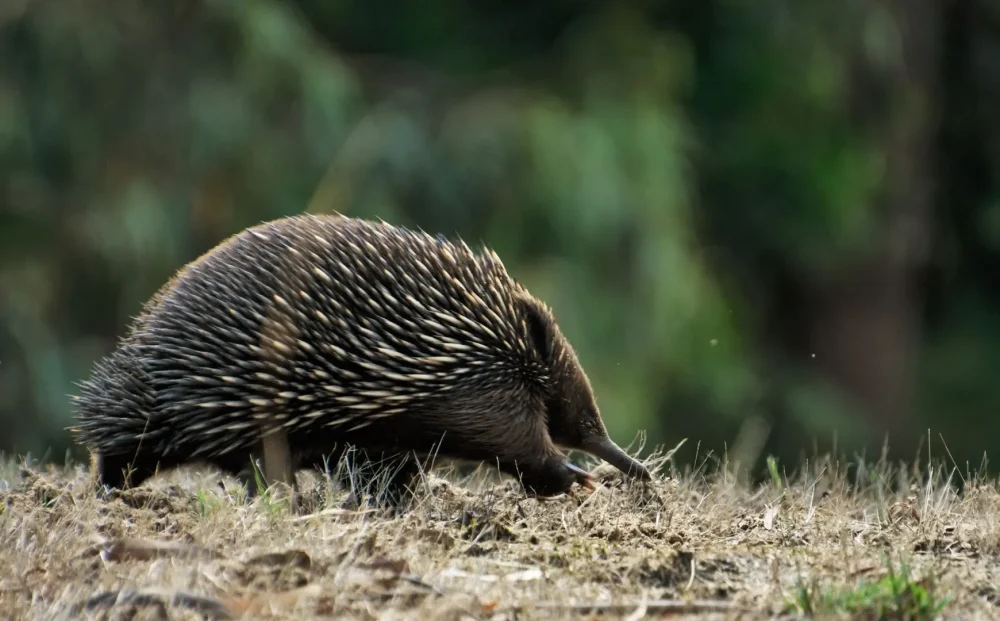
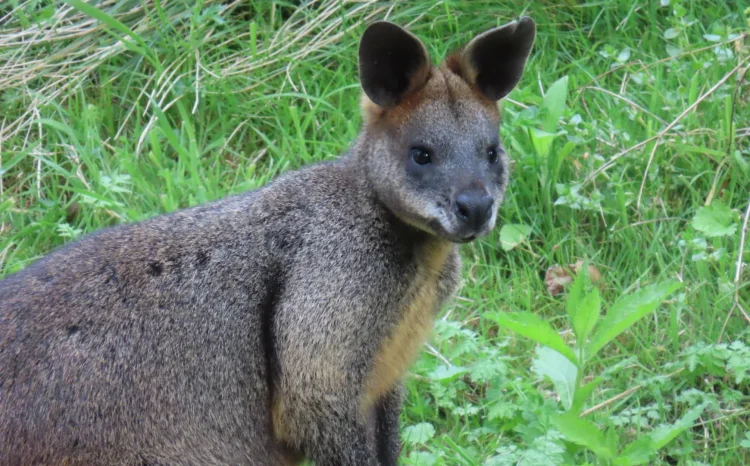
At Paynesville, a ferry crosses the 200m channel to Raymond Island. The koalas here descend from animals introduced in 1953, and the island is now one of the easiest places in Australia to watch wild koalas at close range from the ground. Echidnas, swamp wallabies and eastern grey kangaroos are on the island too, along with parrots, honeyeaters and seabirds, and those go on the list as well.
Conditions permitting, stop at Lakes Entrance to look for Burrunan dolphins — a small population of about 63 animals in the Gippsland Lakes — and Australian fur seals. Dinner is at a beachside tavern above Lake Tyers before the drive up to the homestead near Orbost, where you'll stay for the next three nights.
Overnight: Homestead near Orbost.
Meals: L/D.
Day 2
Lowland rainforest, heathland and the wilderness coast
Day 3
Mountain forests and the Snowy River
Day 4
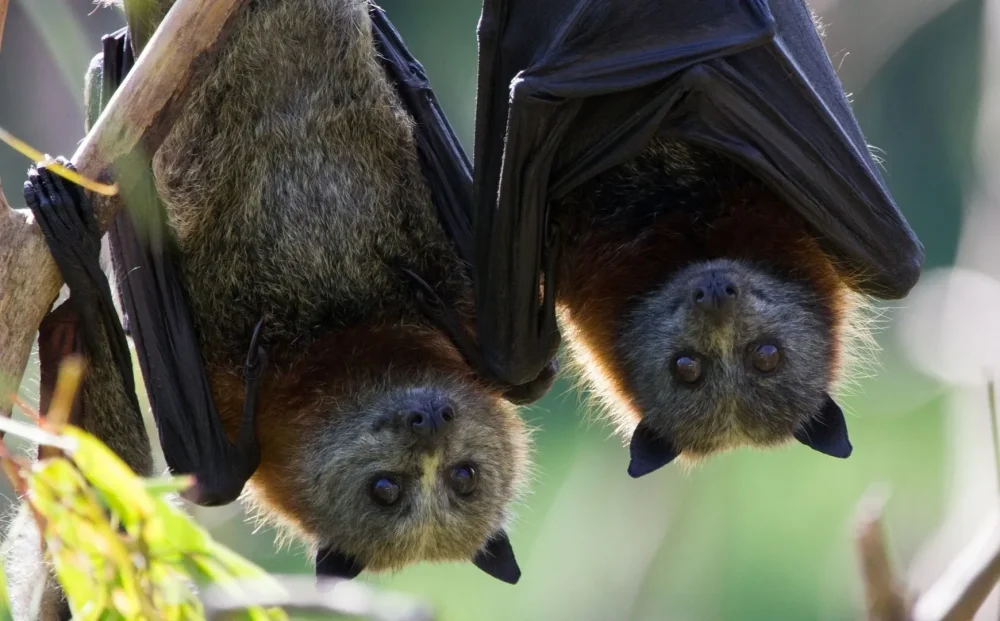
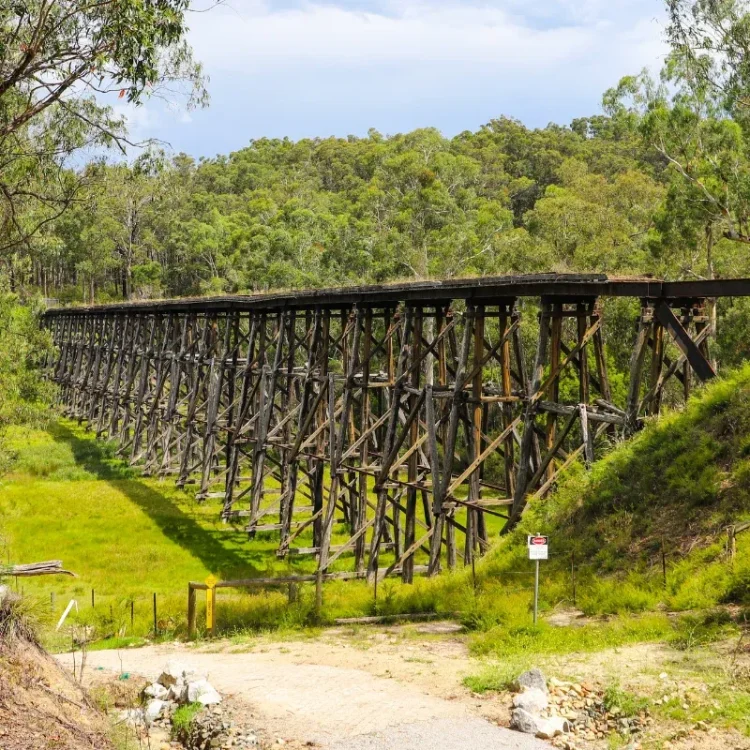
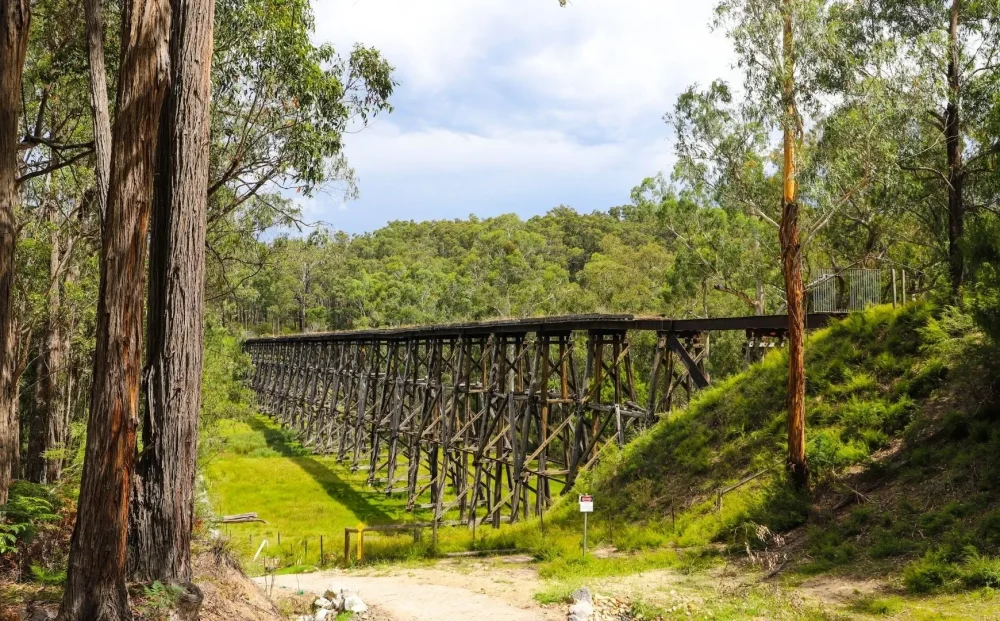
Trestle bridge, bat colony and Krowathunkooloong Keeping Place

What is the level of physical activity?
What wildlife will we see?
Is this tour suitable for beginner birders or naturalists?
What habitats does the tour cover?
Can I book a twin spot (half-twin share) if I am travelling on my own?
Can I book a private departure?
Tour Collection: Photography

Tour Collection: Photography

Tour Collection: Nature & Wildlife
Tour Collection: Bird Watching

Tour Collection: Bird Watching

Tour Collection: Citizen Scientists
Tour Collection: Nature & Wildlife
Tour Collection: Bird Watching

Tour Collection: Indigenous & Culture

Tour Collection: Exclusive Expeditions

Tour Collection: Exclusive Expeditions

Tour Collection: Active Adventure

Tour Collection: Nature & Wildlife
Tour Collection: Bird Watching

Tour Collection: Nature & Wildlife

Tour Collection: Women’s Only
Tour Collection: Photography
Tour Collection: Photography
Tour Collection: Photography
Tour Collection: Photography
Tour Collection: Nature & Wildlife
Tour Collection: Bird Watching
Tour Collection: Bird Watching
Tour Collection: Citizen Scientists

Tour Collection: Nature & Wildlife

Tour Collection: Nature & Wildlife

Tour Collection: Conservation & Citizen Science

Tour Collection: Nature & Wildlife

Tour Collection: Nature & Wildlife
Tour Collection: Photography
Tour Collection: Photography

Tour Collection: Photography

Tour Collection: Nature & Wildlife

Tour Collection: Nature & Wildlife

Tour Collection: Bird Watching
Tour Collection: Photography

Tour Collection: Bird Watching

Tour Collection: Nature & Wildlife
Tour Collection: Photography
Tour Collection: Photography
Tour Collection: Nature & Wildlife
Tour Collection: Bird Watching
Tour Collection: Bird Watching
Tour Collection: Bird Watching
Tour Collection: Citizen Scientists

Tour Collection: History & Fossils

Tour Collection: Bird Watching

Tour Collection: History & Fossils
Tour Collection: Photography

Tour Collection: Photography

Tour Collection: Nature & Wildlife

Tour Collection: Bird Watching
Tour Collection: Photography
Tour Collection: Nature & Wildlife