1300 241 141
Logo
  • Tour Collections
  • Destinations
  • Travel Blogs
  • About
    • About us
    • Conservation Travel
    • Our experts
    • Get in touch
  • Australian geographic
Logo
  • Tour Collections
  • Destinations
  • Travel Blogs
  • About
    • About us
    • Conservation Travel
    • Our experts
    • Get in touch
  • Australian geographic
Footer Logo1300 241 141

Australian Geographic acknowledges the First Nations people of Australia as traditional custodians, and pay our respects to Elders past and present, and their stories and journeys that have lead us to where we are today.

  • Contributes Image

Company

  • Tour Collections
  • Destinations
  • Be Inspired
  • About
    • About us
    • Our experts
    • Get in touch
  • Australian Geographic

Destinations

  • New South Wales
  • Northern Territory
  • Queensland
  • South Australia
  • Western Australia
  • Victoria
  • Tasmania
  • Australian External Territories
  • New Zealand

Contact Us

Contributes Image

Australian Geographic contributes 100% of its profits to the Australian Geographic Society, including its conservation and sustainability programs.

1300 241 141
Logo
  • Tour Collections
  • Destinations
  • Travel Blogs
  • About
    • About us
    • Conservation Travel
    • Our experts
    • Get in touch
  • Australian geographic
Logo
  • Tour Collections
  • Destinations
  • Travel Blogs
  • About
    • About us
    • Conservation Travel
    • Our experts
    • Get in touch
  • Australian geographic

Cape York Birdwatching Safari

Book Now
Picture of carousel
Picture of carousel
Picture of carousel
Picture of carousel
Picture of carousel
Picture of carousel
Picture of carousel
Picture of carousel
Picture of carousel
  • Trip Type

    Bird Watching, Nature & Wildlife
  • Twin Share

    Maximum of two adults
    $ 6690
  • Single

    $ 7590
Book Now
Make a private tour

Make it a Private Tour

Tell us about your ideal private tour and we will make it happen!

dd-mm-yyyy
dd-mm-yyyy

Your privacy is important to us. We will only use your information to fulfill your request.

  • Book Now
Picture of the member

AGT Expert Guide

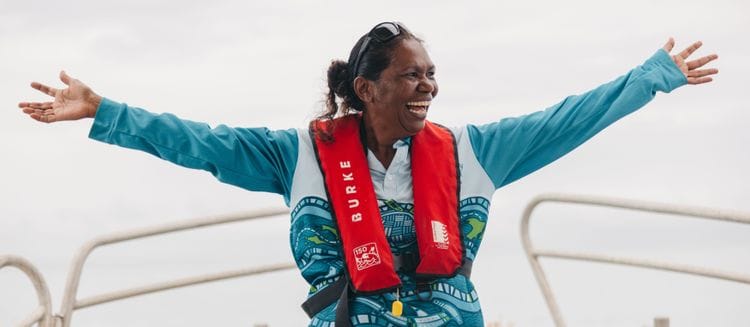
Australian Geographic Travel guides are experts in their fields, combining deep local knowledge with a genuine passion for Australia’s landscapes, wildlife, and cultures. Their professionalism, warmth, and storytelling skills create immersive, educational experiences and consistently deliver enriching and memorable journeys for every guest.

Duration

7 Days

Group Size

7 Guests

Activity Level

Easy to Moderate

Book Now

About This Tour

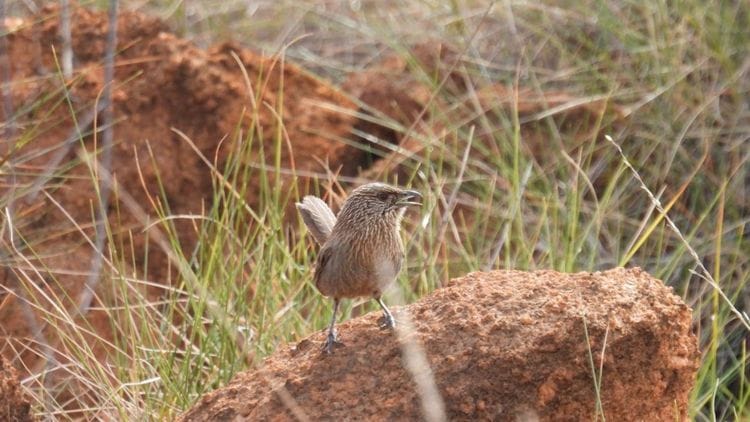
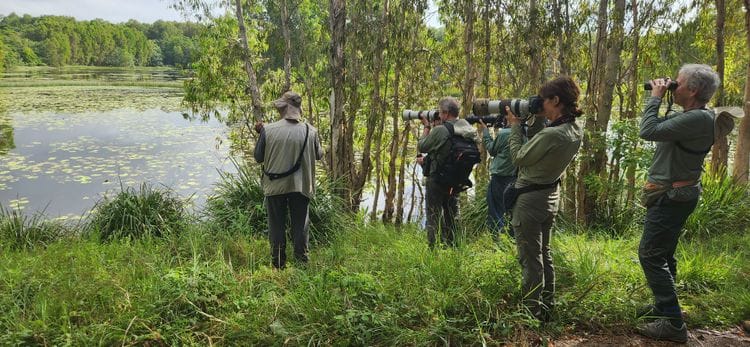
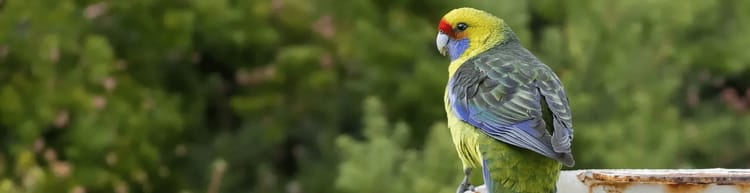
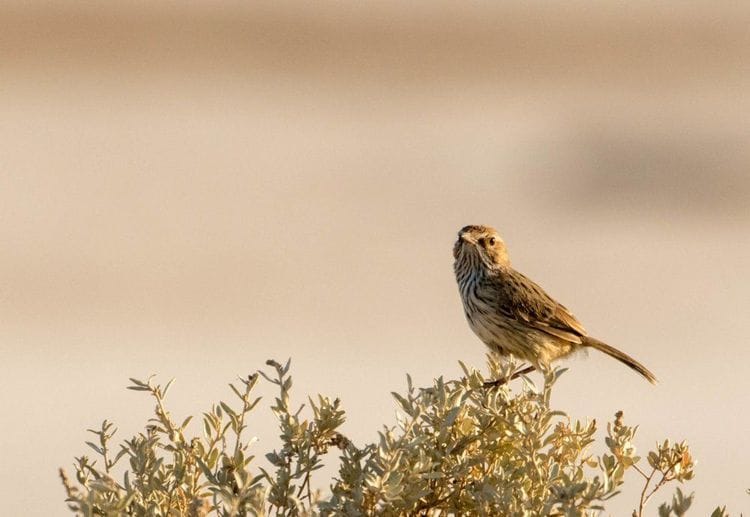
Venture into one of Australia’s most remote wilderness areas on this seven-day birdwatching expedition through Cape York Peninsula. This tour targets two true endemic species found nowhere else on Earth – the endangered golden-shouldered parrot and white-streaked honeyeater – alongside an extraordinary assemblage of restricted-range species that reach their Australian range limits in this tropical region.

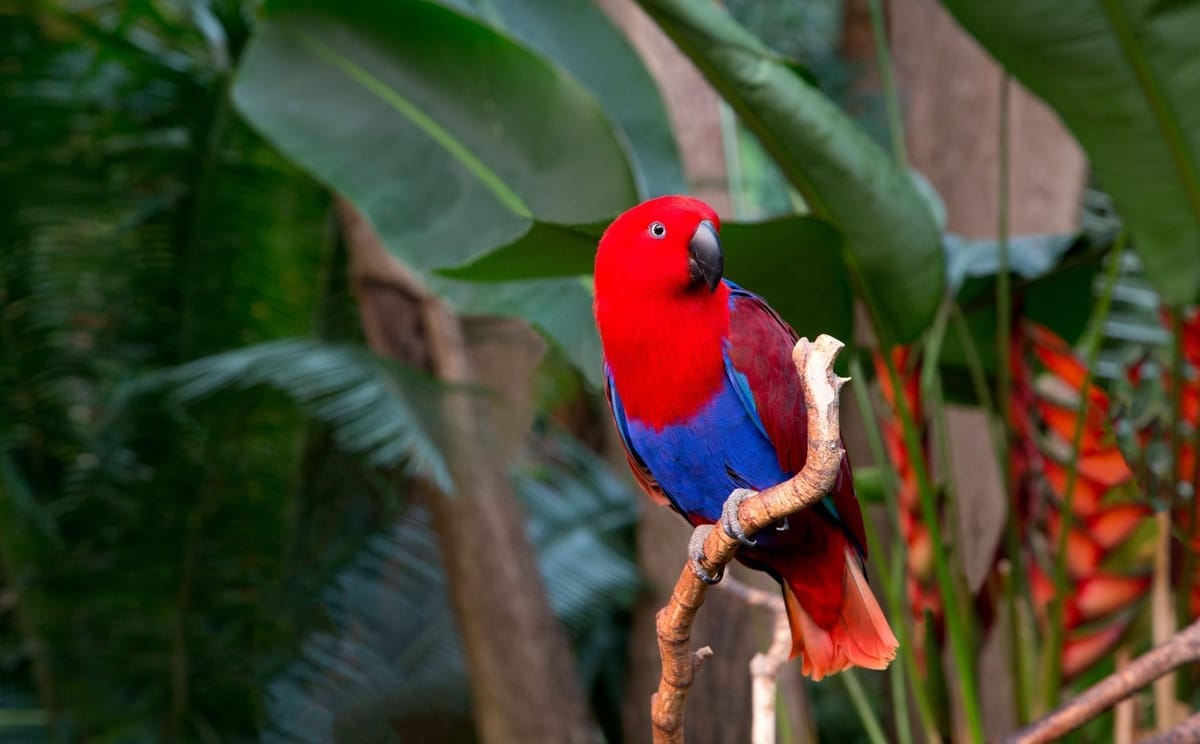
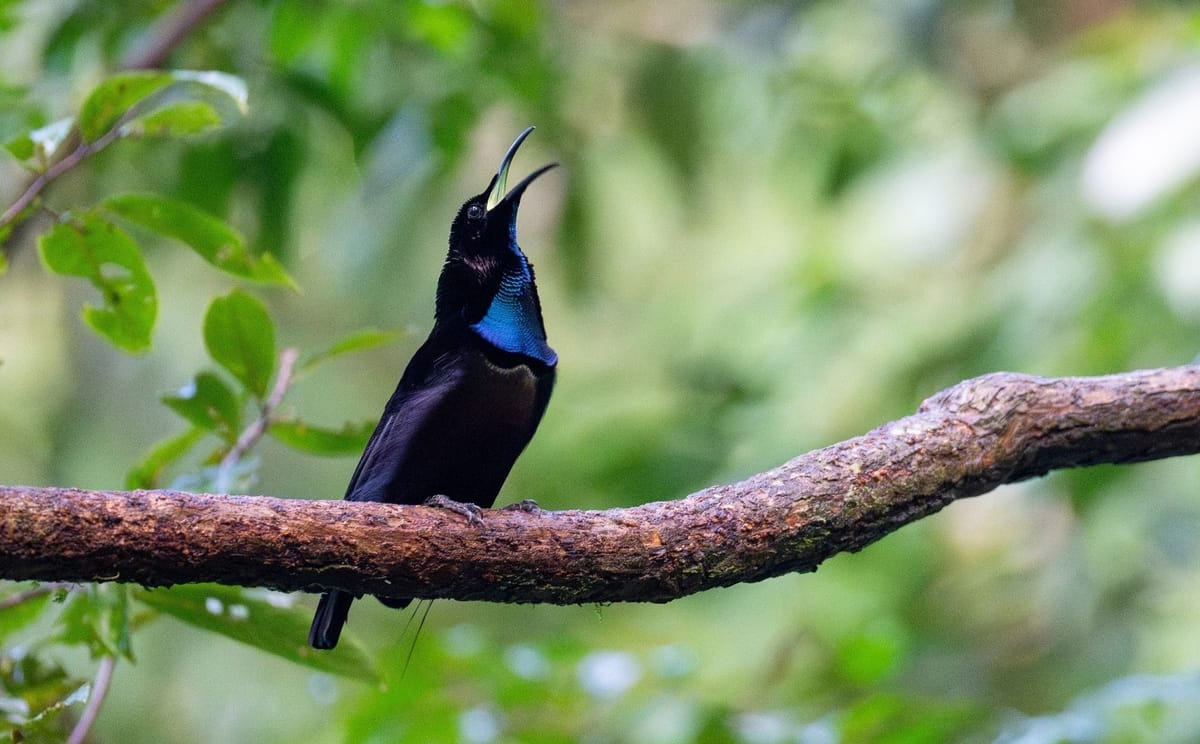
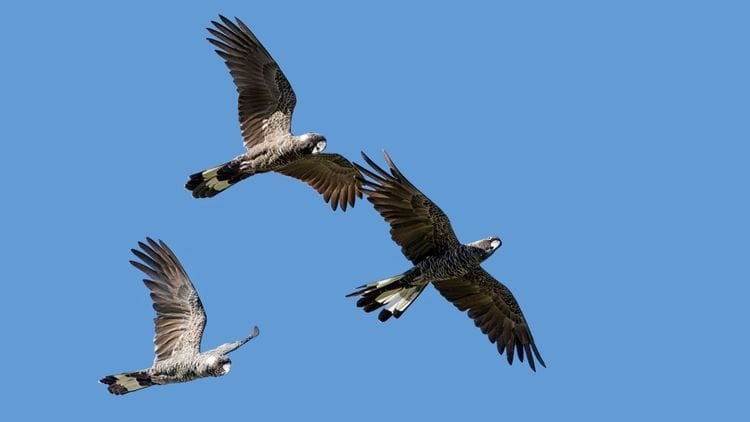
Explore Kutini-Payamu (Iron Range) National Park and Rinyirru (Lakefield) National Park, searching diverse habitats from lowland rainforest and towering gallery forest to tropical woodlands, heathlands and palm-fringed beaches overlooking the Coral Sea. Target iconic species, including palm cockatoo, eclectus parrot, red-cheeked parrot, yellow-billed kingfisher, and birds-of-paradise, including magnificent riflebird and trumpet manucode.

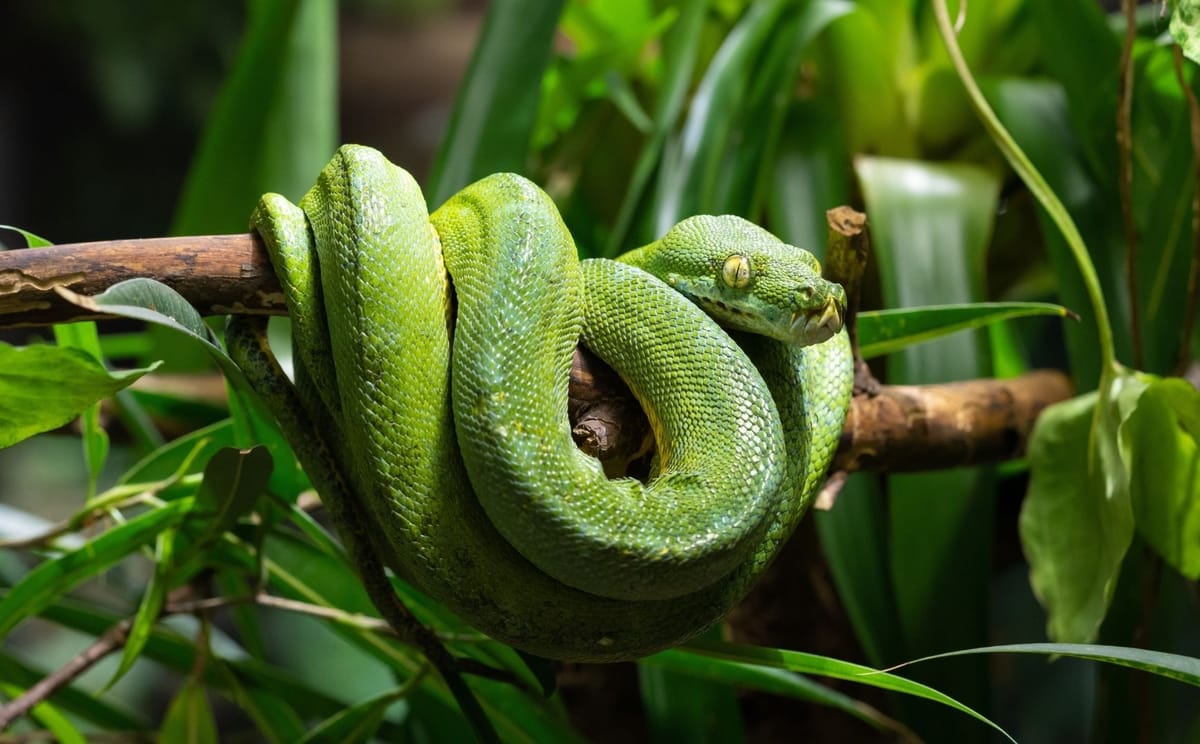
Based at the remote Musgrave Roadhouse and The Greenhoose Lodge adjacent to Kutini-Payamu National Park, this expedition combines serious birding with opportunities to observe mammals, including cuscuses, wallabies, and gliders; reptiles, including Green Tree Python; and spectacular tropical flora, including carnivorous pitcher plants.

Please note: This tour runs on a back-to-back drive/fly or fly/drive itinerary. You either drive up from Cairns to Lockhart River and fly back to Cairns after the tour (Drive/Fly) or you fly up to Lockhart River and drive back to Cairns (Fly/Drive with reversed itinerary). 

Flights are not included; please contact us at [email protected] for more information.

Who is this tour for?

This tour suits dedicated birdwatchers and wildlife enthusiasts seeking Australia's most remote endemic and restricted-range species. Ideal for birders targeting life lists, photographers pursuing tropical species, and nature travellers interested in Far North Queensland's biodiversity. Suitable for most fitness levels. Involves early starts, full birding days and some walking on uneven terrain.

Highlights

  • Search for two true Cape York endemics: endangered golden-shouldered parrot and white-streaked honeyeater
  • Target iconic palm cockatoo, eclectus parrot and red-cheeked parrot in pristine tropical habitats
  • Observe birds-of-paradise including magnificent riflebird and trumpet manucode in lowland rainforest
  • Explore Kutini-Payamu (Iron Range) and Rinyirru (Lakefield) National Parks across seven full days
  • Search diverse habitats from rainforest and gallery forest to mangroves and Coral Sea beaches
  • Watch for restricted-range species including yellow-billed kingfisher, frill-necked monarch and black-eared catbird
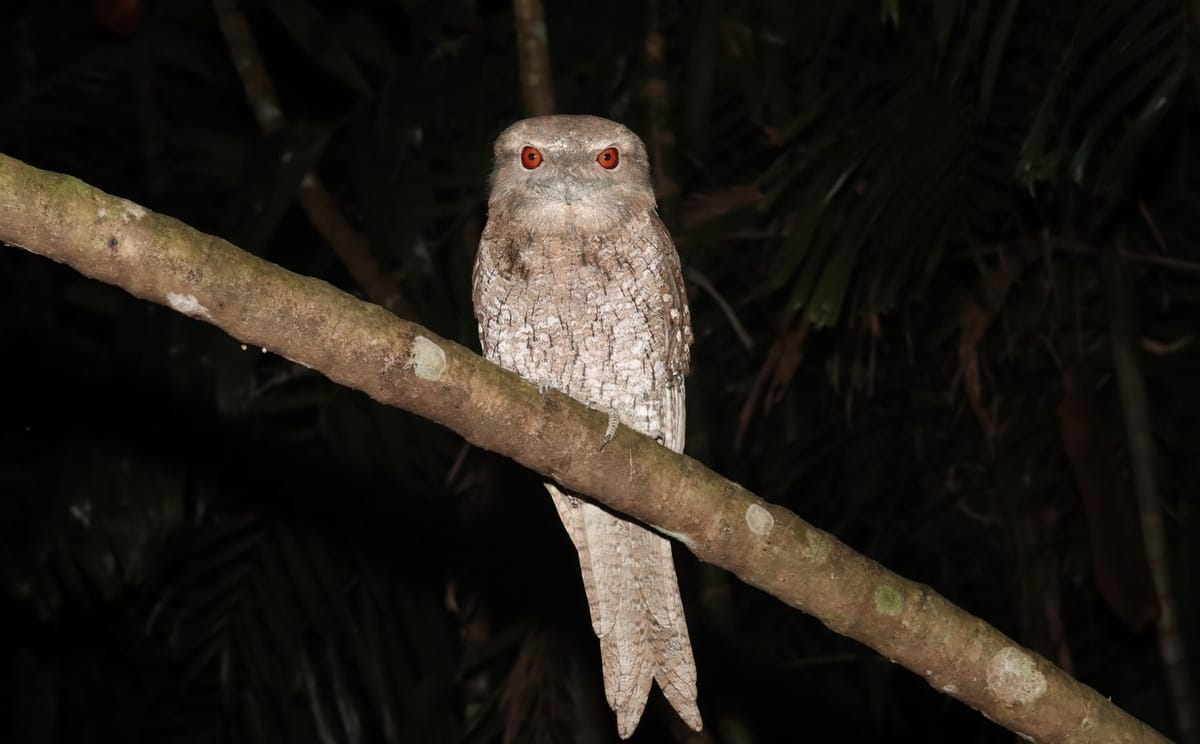
  • Night spotting for Papuan frogmouth, nightjars, owls and mammals including cuscuses and gliders
  • Observe conservation efforts protecting golden-shouldered parrot habitat at Artemis Station
  • Stay at The Greenhoose lodge surrounded by private rainforest adjacent to Kutini-Payamu National Park

Included/Excluded

  • Included
  • Excluded
  • Six nights' accommodation (two nights Musgrave Roadhouse, four nights The Greenhoose)
  • All meals: six breakfasts, six lunches, six dinners
  • All ground transport in comfortable four-wheel-drive vehicles throughout the tour
  • Expert bird guide for the entire journey
  • National park entry fees to Kutini-Payamu and Rinyirru
  • Guided birding excursions and wildlife observation activities
  • Night spotting excursions for nocturnal species
  • Visit to Lockhart River Art Gallery
  • Domestic flights to/from Cairns
  • Flight to/from Lockhart River to Cairns. Please book with the airline Skytrans.
  • Pre-tour and post-tour accommodation in Cairns
  • Airport transfers in Cairns
  • Meals and beverages not specified in the itinerary
  • Alcoholic beverages
  • Travel insurance (strongly recommended)
  • Tips and gratuities for guide and accommodation staff

Itinerary

Day 1

Cairns to Rinyirru (Lakefield) National Park

Depart Cairns for Cape York Peninsula, travelling across vast expanses of tropical woodland. The journey north provides regular stops at viewpoints and for incidental bird sightings, targeting priority species. Stop for lunch at Lakeland before continuing to Artemis Station, where conservation efforts focus on protecting and enhancing habitat for the endangered golden-shouldered parrot – one of only two true endemic birds to the peninsula and a key target species. This critically endangered parrot nests exclusively in termite mounds within specific woodland habitats. Artemis Station’s management demonstrates how grazing practices can be modified to benefit threatened species. Settle into Musgrave Roadhouse for the first two nights, positioned as the gateway to Rinyirru (Lakefield) National Park.

Day 2

Rinyirru (Lakefield) National Park

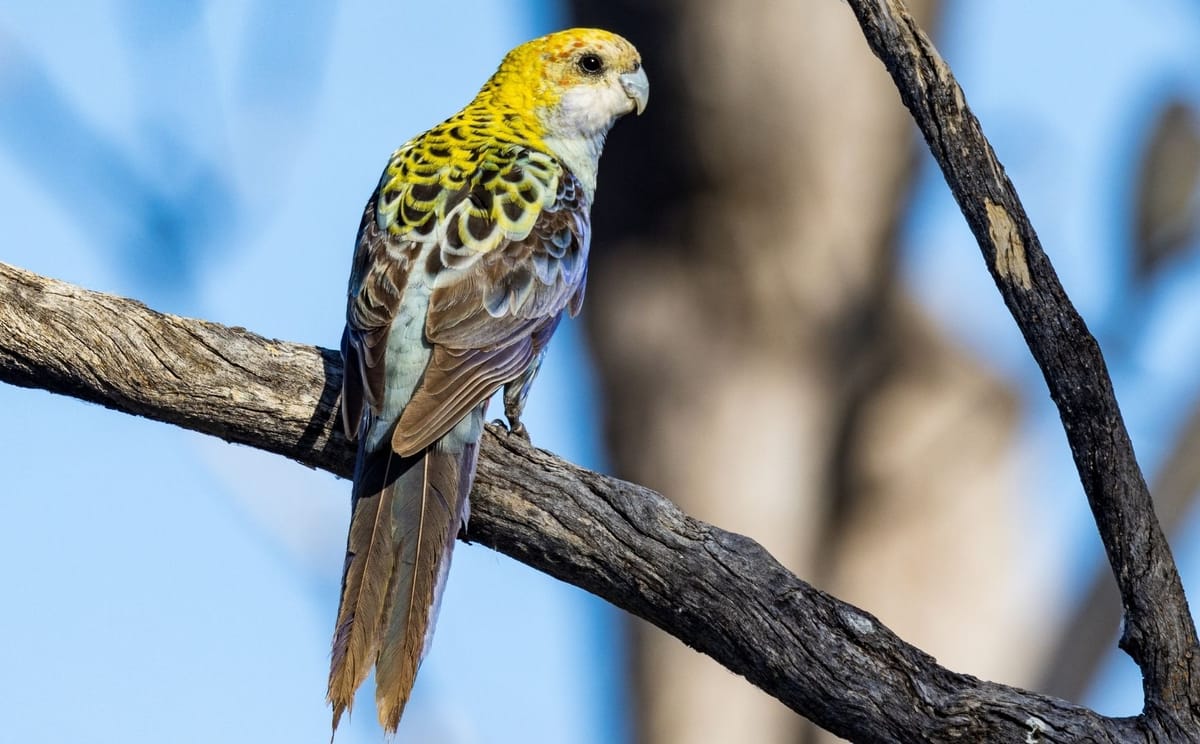
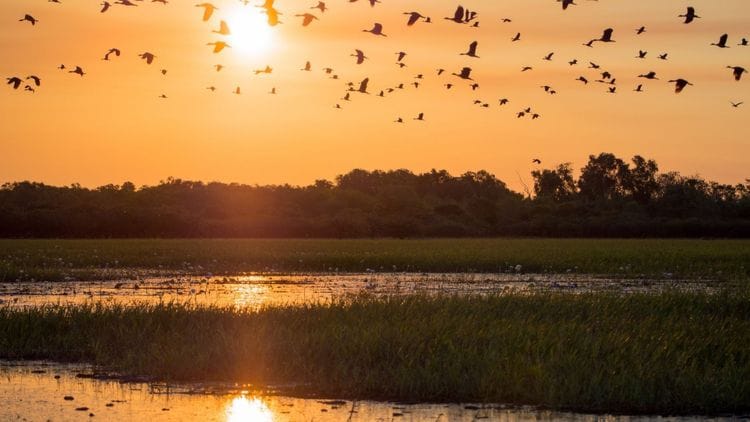
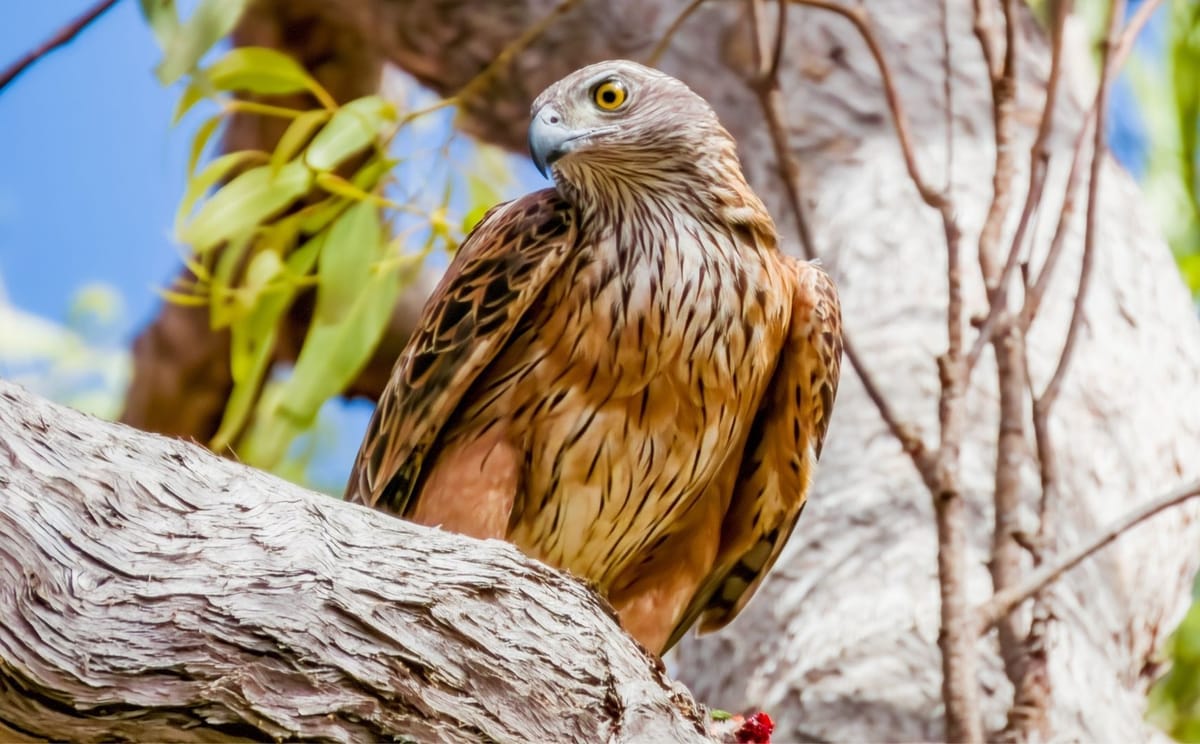
Spend a full day exploring Rinyirru (Lakefield) National Park, Queensland’s second-largest national park, protecting 537,000 hectares of exceptional habitat diversity. The park encompasses tropical woodlands, riparian forest, extensive wetlands and grassy plains dotted with termite mounds where golden-shouldered parrots nest. Target species today include pale-headed rosella, red-winged parrot, red goshawk, black-backed butcherbird, yellow-tinted honeyeater, red-browed pardalote, northern fantail, great bowerbird and lemon-bellied flycatcher. Wetlands support waterbirds alongside finch species, including star, crimson, masked and black-throated finch. Watch for mammals including agile wallaby, northern nailtail wallaby, antilopine wallaroo and little red flying-fox. At dusk, search for large-tailed and spotted nightjar, with possibilities for the rare Australasian grass-owl.

Day 3

Rinyirru to Kutini-Payamu (Iron Range) National Park

Continue morning birding around Lakefield and Musgrave before travelling north along the Peninsula Development Road. Stop for lunch and rest at Archer River Roadhouse before continuing to Iron Range, crossing through the northern section of the Great Dividing Range at Tozer Gap. This elevated crossing provides stunning views across ranges, heathland and forest. Search for carnivorous tropical pitcher plants and other specialised flora thriving in these conditions. Tozer Gap provides excellent habitat for the endemic white-streaked honeyeater, the second of Cape York’s two true endemic bird species. Cross the West Claudie River and settle into The Greenhoose, positioned adjacent to Kutini-Payamu National Park and surrounded by private rainforest with established walking trails. Orient yourself with an evening exploration of the lodge’s tropical gardens and adjacent forest.

Day 4

Kutini-Payamu (Iron Range) National Park – Day 1

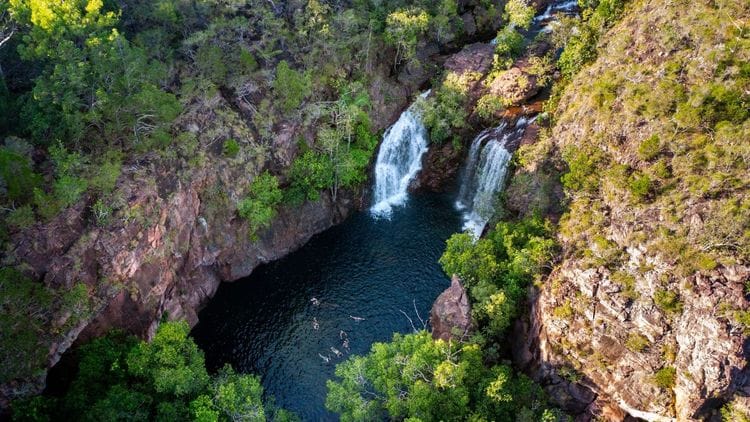
Begin three full days exploring Kutini-Payamu National Park, one of Australia’s most significant biodiversity hotspots. Visit a mosaic of habitats including lowland rainforest, towering riparian and gallery forest, tropical woodland, heathland on rocky ridges, mangroves and spectacular palm-fringed beaches overlooking islands in the Coral Sea. Priority targets include iconic palm cockatoo, eclectus parrot, and birds-of-paradise, including magnificent riflebird and trumpet manucode. Two restricted-range bowerbirds occur here: the fawn-breasted bowerbird and the black-eared catbird. Search for northern Cape York specialists, including spotted whistling-duck, red-cheeked parrot, yellow-billed kingfisher, chestnut-breasted cuckoo, frill-necked monarch, white-faced robin, northern scrub-robin, yellow-legged flyrobin, tropical scrubwren, and green-backed, tawny-breasted and white-streaked honeyeater.

Day 5

Kutini-Payamu (Iron Range) National Park – Day 2

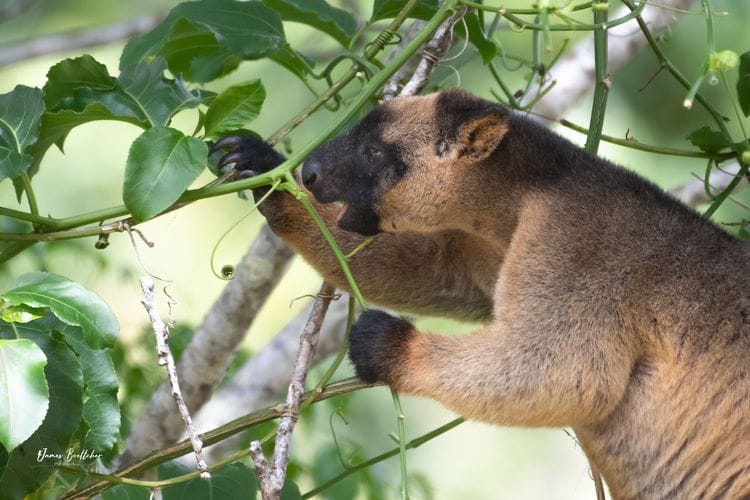
Continue exploring Kutini-Payamu’s key birding sites, including Gordon Creek, West Claudie Creek, Old Coen Track and Cook’s Hut campground. These locations provide access to different habitat types supporting distinct bird assemblages. Search for wider-ranging species often recorded here, including wompoo, superb and rose-crowned fruit-dove, noisy pitta, white-eared monarch, grey whistler and yellow-breasted boatbill. Observe Cape York subspecies, including double-eyed fig-parrot, Australian brush-turkey, little bronze-cuckoo and red-browed finch. Night spotting excursions target marbled and Papuan frogmouths, large-tailed and white-throated nightjars, and, occasionally, rufous and masked owls. Mammals may include agile wallaby, dingo, common spotted cuscus, common southern cuscus, striped possum, Krefft’s glider, and various bat species.

Day 6

Kutini-Payamu (Iron Range) National Park – Day 3

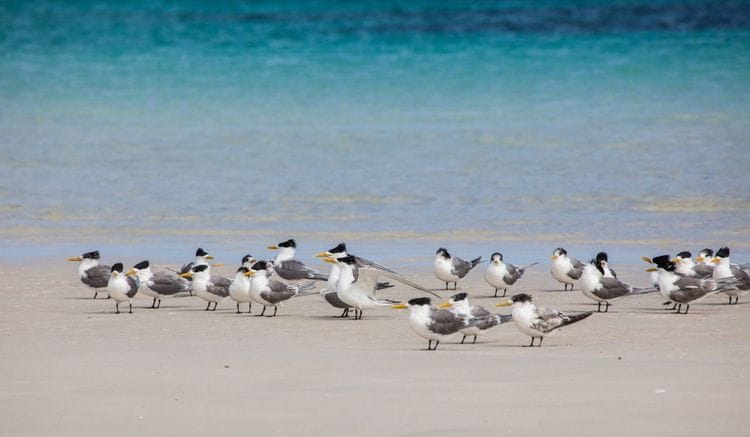
Visit the Portland Roads area and Chilli Beach to explore mangroves and coastal habitats. The beaches and exposed rocks provide excellent foraging and roosting areas for numerous waders and terns. Scan fruiting palms and beach almond trees for palm cockatoos feeding quietly in the canopy. Continue targeting any species not yet observed, refining habitat knowledge and observing bird behaviours. Look for reptiles, including the stunning green tree python and scrub python, as well as various dragon and monitor species. The flexible itinerary over these three days at Iron Range allows adaptation based on weather conditions, recent sightings, and group priorities, maximising opportunities to observe target species.

Day 7

Lockhart River to Cairns (flight)

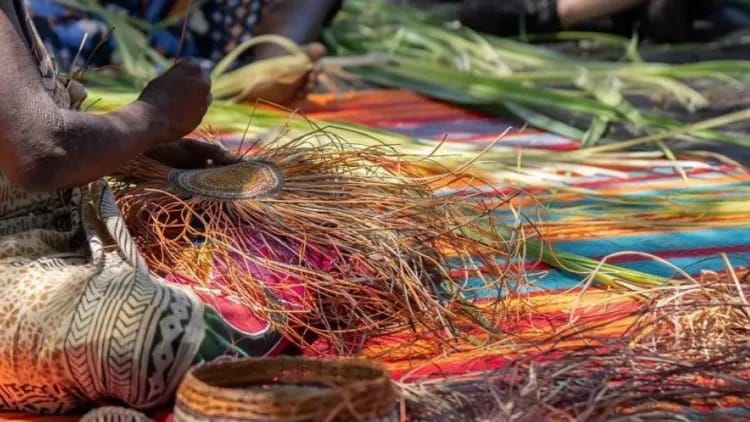
Enjoy the final morning birding around The Greenhoose before breakfast. Check out and visit Lockhart River Art Gallery, showcasing remarkable artworks by the region’s Indigenous artists. This cultural visit provides insight into the deep connection between Traditional Owners and these landscapes. Depart Lockhart River, flying back to Cairns. The flight provides aerial perspectives over the Cape York wilderness you’ve explored over the past week, revealing the vast scale of these remote tropical ecosystems.

Frequently Asked Questions

What makes Cape York special for birdwatching?

Cape York has two true endemic species and numerous restricted-range birds reaching their Australian limits here. Many species have ranges extending through Torres Strait into New Guinea.

How physically demanding is this tour?

Most birding occurs from vehicles or on easy walking tracks. Early starts and full days require reasonable fitness. Walking is generally easy on established paths, beaches and gentle terrain.

Will we see mammals and reptiles as well as birds?

Yes. Night spotting targets cuscuses, gliders and possums. Wallabies are commonly observed. Green tree python and various monitors are possible. All sightings depend on seasonal activity.

Is this tour suitable for beginner birders?

Yes, though target species are challenging. Expert guides assist with identification. Participants should have reasonable birding experience and ability to use binoculars and field guides effectively.

What is The Greenhoose accommodation like?

The Greenhoose is a comfortable lodge adjacent to Kutini-Payamu National Park, surrounded by private rainforest with walking trails. Rooms have basic amenities suitable for remote locations.

Do I need to arrange flights separately?

Yes. Flights from Lockhart River to Cairns are not included. You'll need to book separately with appropriate airlines servicing this remote route. Contact Australian Geographic Travel for assistance.