
South Australia
Flinders Ranges Photography Safari
Tour Collection: Photography

7 Days
8 People
Easy to Moderate
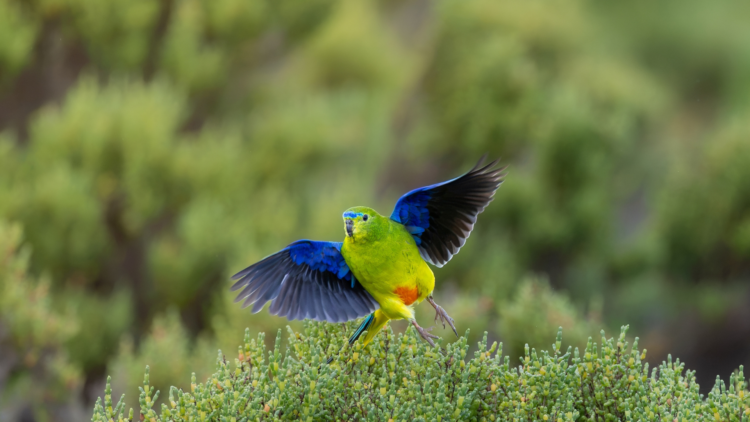
Seven days of birding in Tasmania for all twelve endemic bird species, including a scenic flight into Melaleuca, the only place on earth where the orange-bellied parrot breeds.
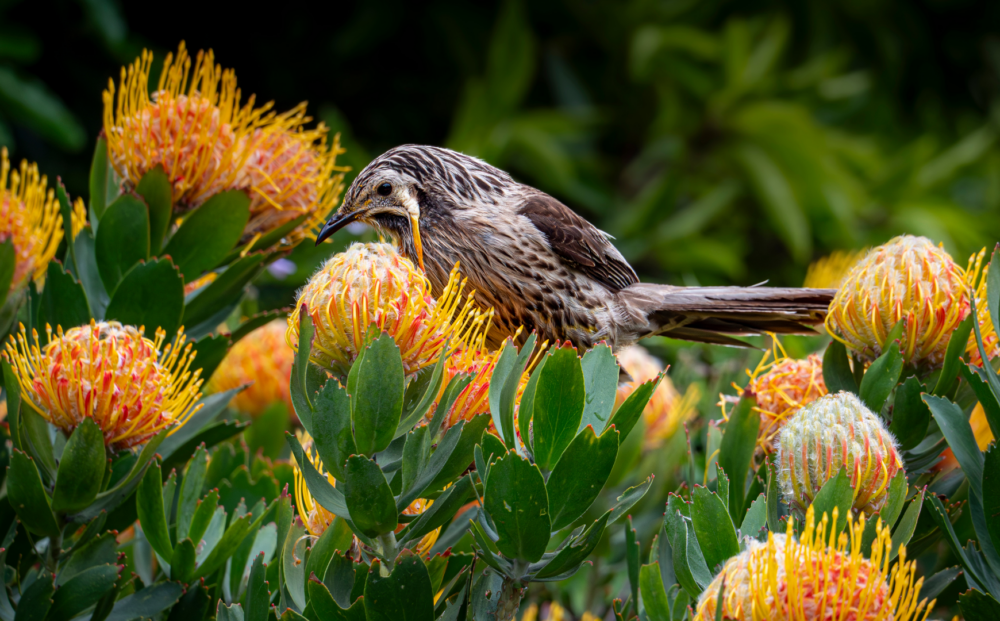
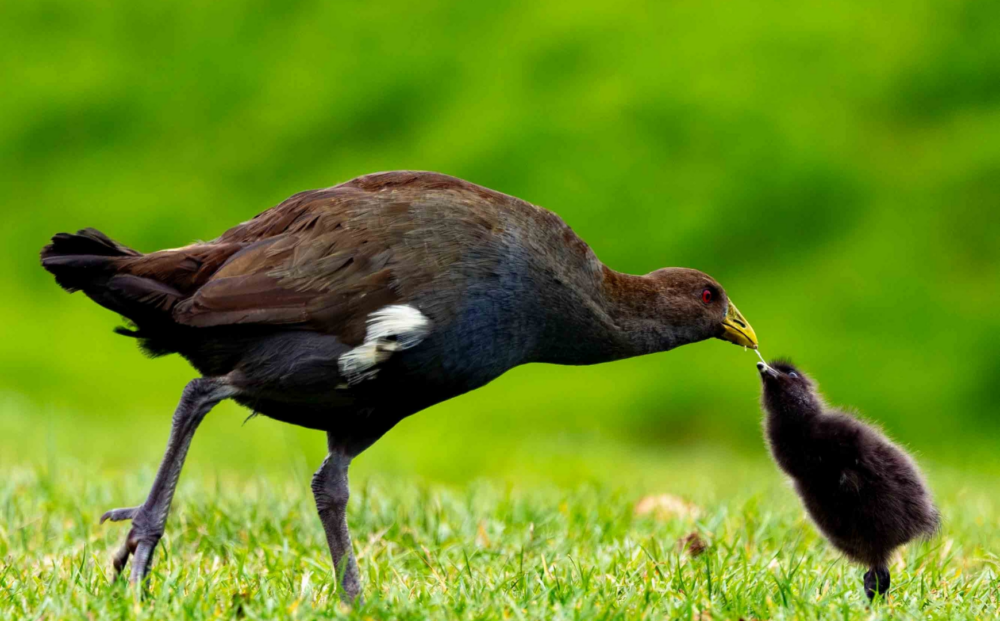
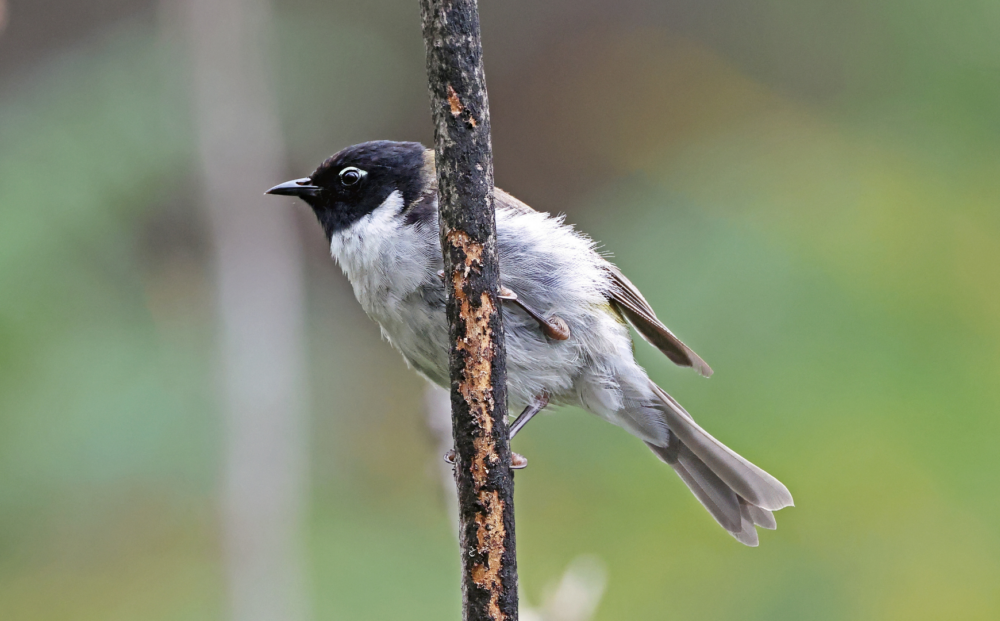
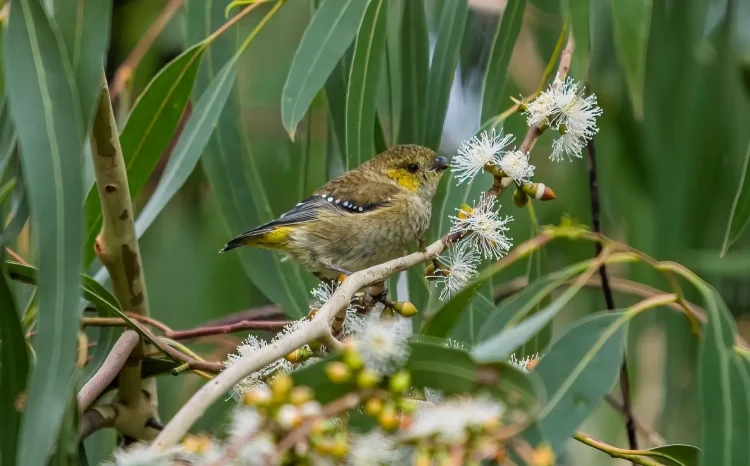
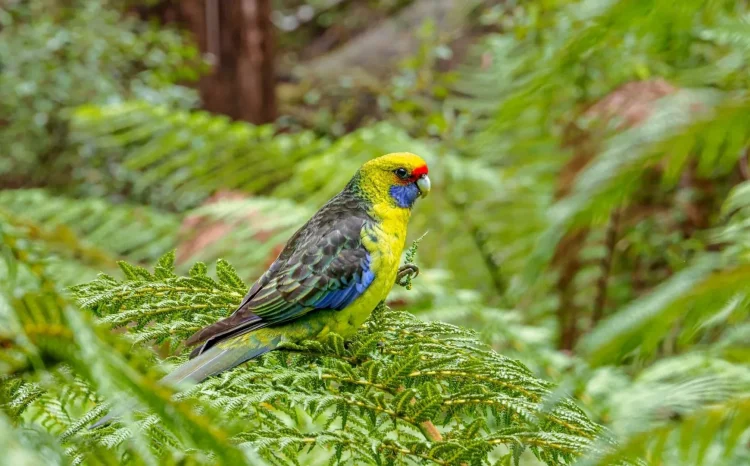
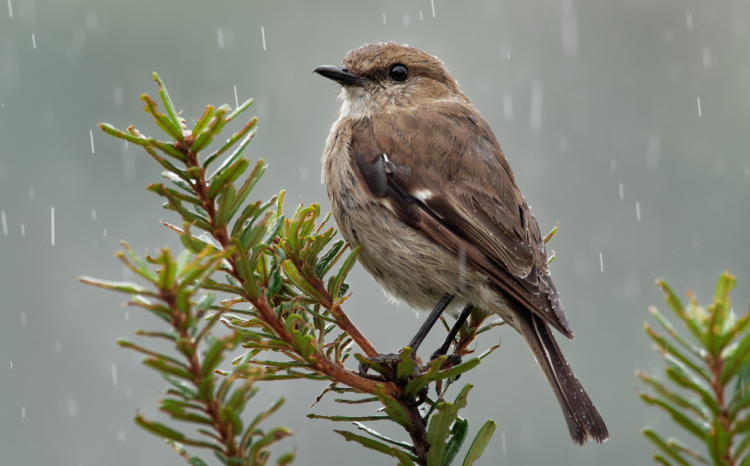
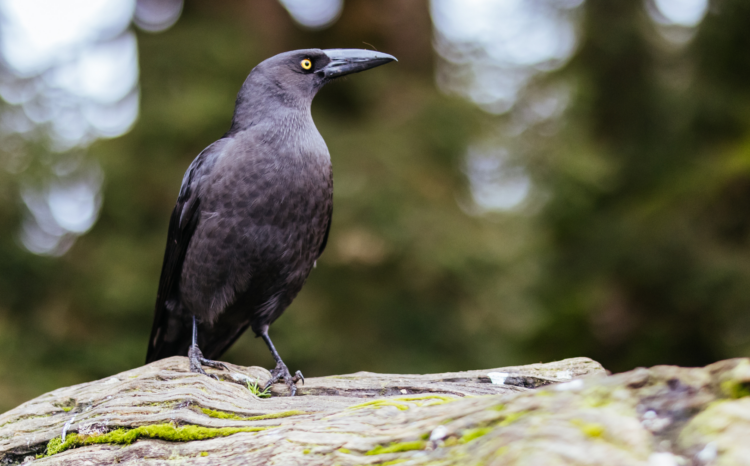
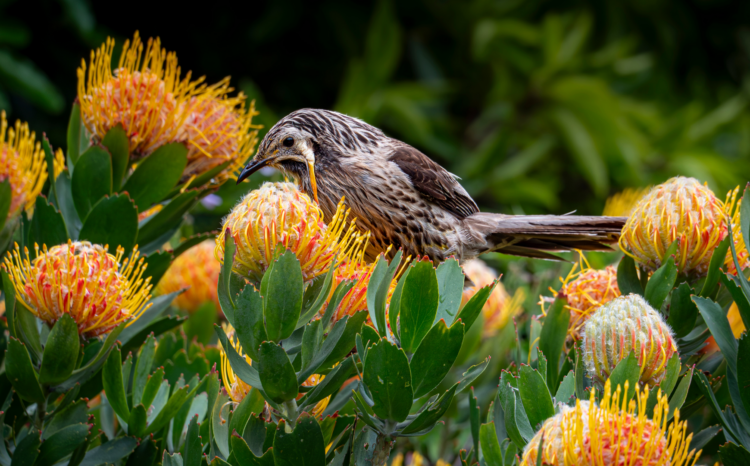
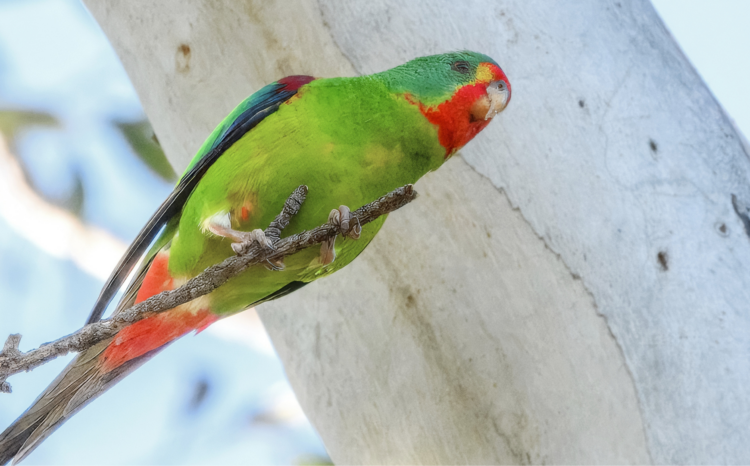
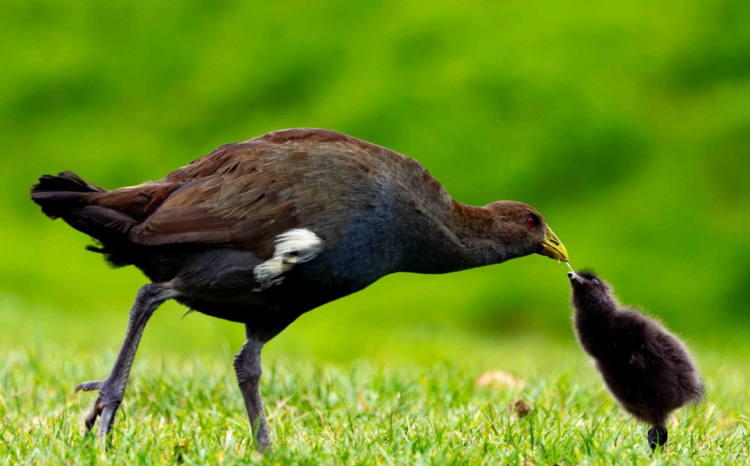
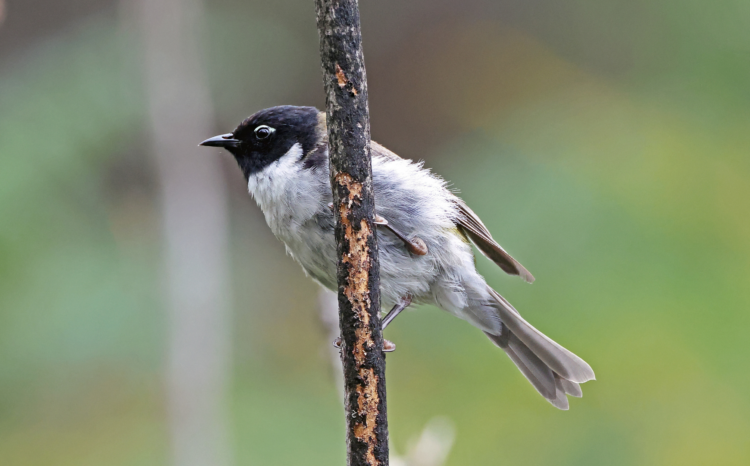
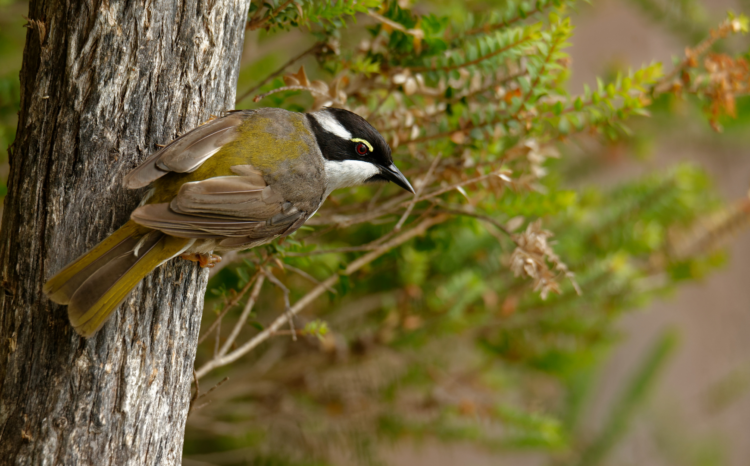
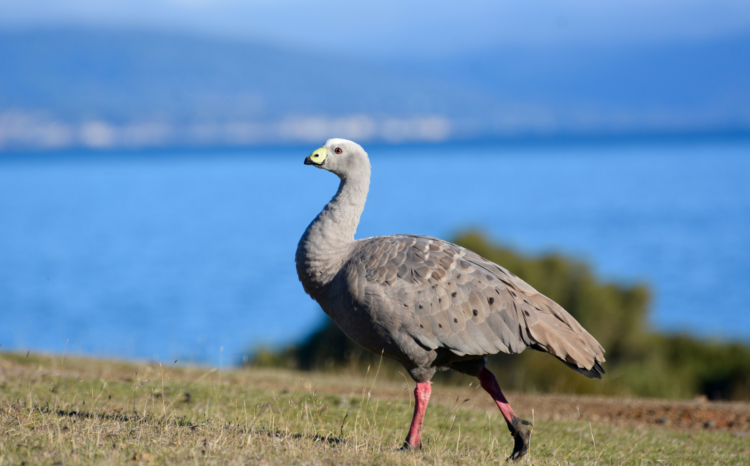
Those twelve are the Tasmanian nativehen, green rosella, dusky robin, Tasmanian thornbill, scrubtit, Tasmanian scrubwren, yellow wattlebird, yellow-throated honeyeater, black-headed honeyeater, strong-billed honeyeater, black currawong and forty-spotted pardalote. They occur in Tasmania and nowhere else on earth. Two further species breed only here and cross Bass Strait to winter on the mainland: the swift parrot and the orange-bellied parrot, both critically endangered.
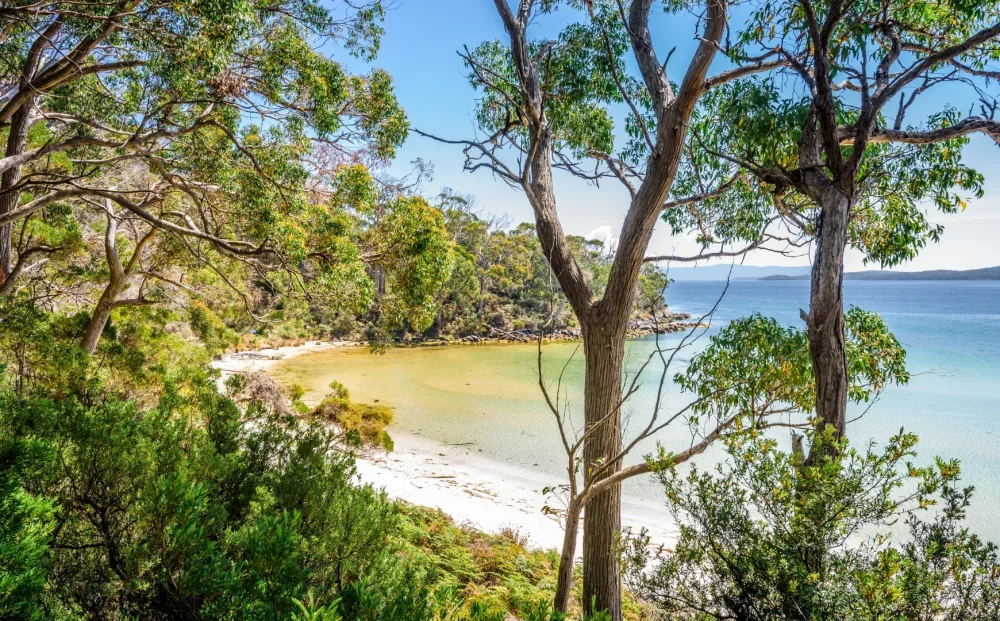
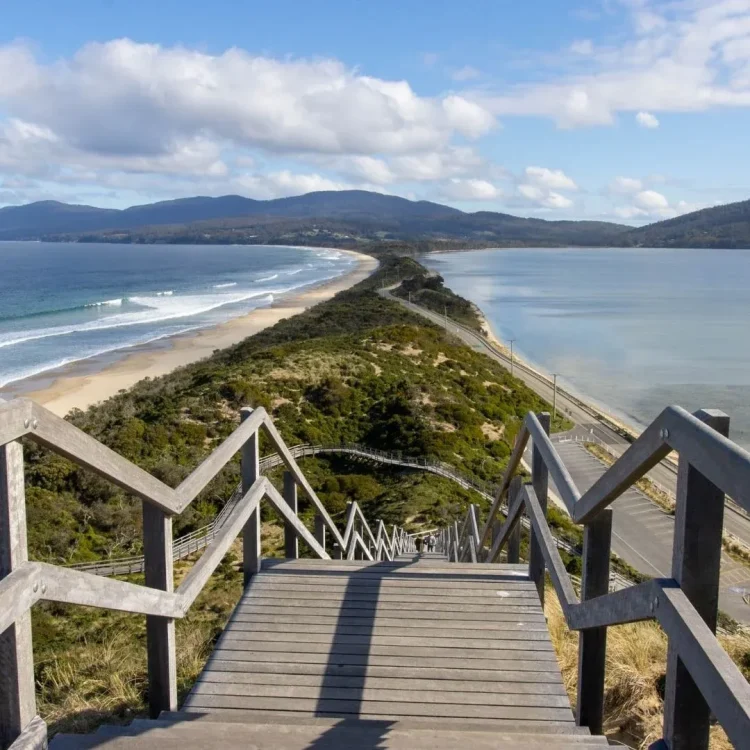
Bruny Island holds all twelve in a single small island’s worth of dry forest, coastal heath, beach and farmland, which is why the tour spends two nights there rather than one. Maria Island holds almost all of them, and gives a second chance at anything Bruny didn’t produce. Very few countries let you see a complete set of their endemic birds in a week.
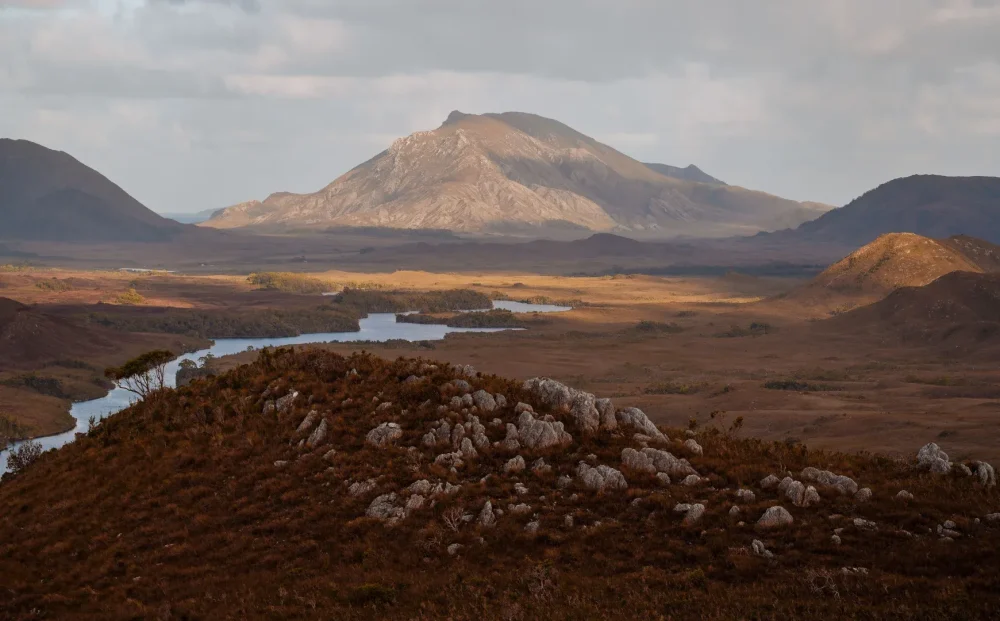
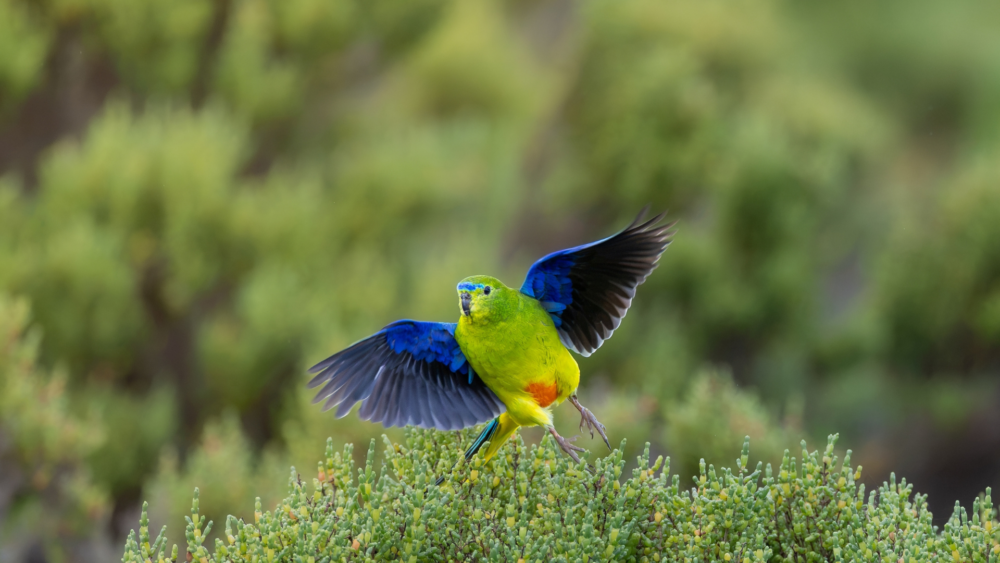
The orange-bellied parrot is the reason for the fifth day. In 2016, the wild population fell to 17 birds. Melaleuca, in the Southwest Wilderness, is where the recovery has been run: 91 birds returned in December 2024, and 86 by the census of 22 December 2025, two-thirds of them wild-born.There is no road in. The tour flies from Cambridge Aerodrome, timed for the breeding season, to a hide near the airstrip that gives some of the best views of the species available.
The forty-spotted pardalote has gone the other way, down about 60 per cent in 17 years to roughly 1,500 birds, confined to stands of white gum and dependent on that one tree to feed its chicks. Bruny and Maria are its two strongholds. The swift parrot, re-estimated by the Australian National University in 2024 at as many as 500 mature individuals, nest in old-growth hollows on the east coast and feeds in flowering blue gum, which makes the November departures the better bet for it.
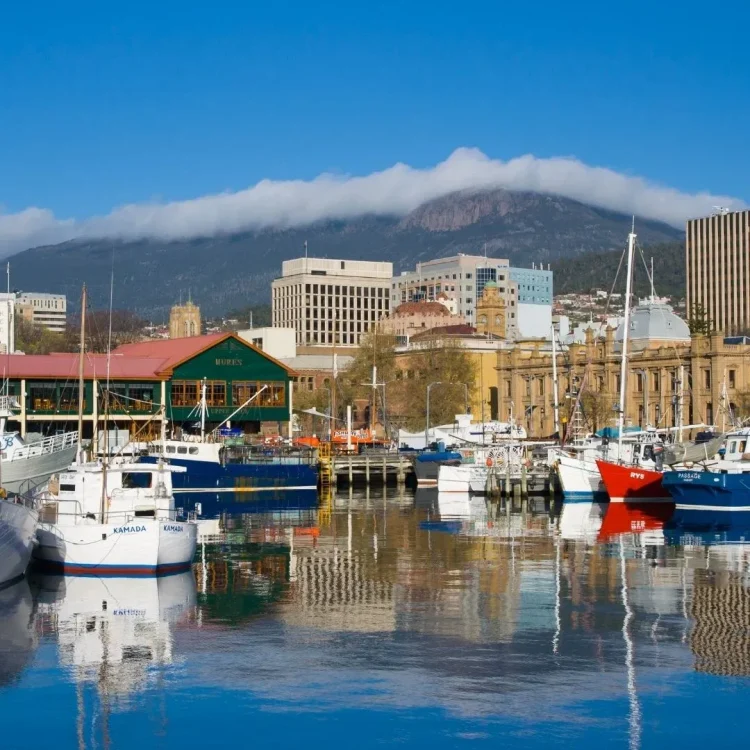
The tour is based in Hobart and works out from it in four directions: north to Kunanyi / Mount Wellington for the wet-forest skulkers, south by ferry to Bruny Island, east to car-free Maria Island, and west by light aircraft into Melaleuca in the Tasmanian Wilderness World Heritage Area.
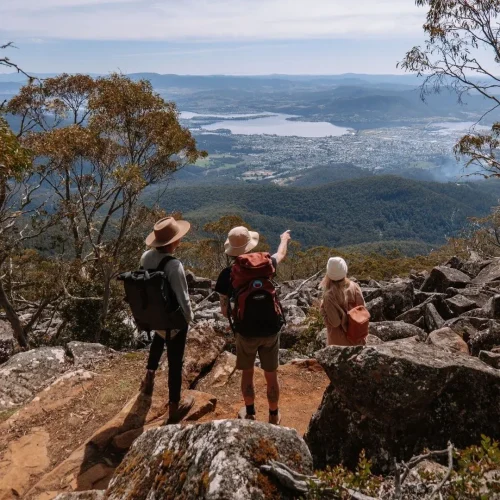
Birdwatchers, from listers working through the Tasmanian endemics to people who simply like being out with birds and good company. Some birding experience helps but is not required, and the guide works at whatever level the group is at. The tour assumes an interest in watching birds, because that is what seven days of it consists of: early starts, long days in the field, and a fair amount of standing still and waiting. A moderate level of fitness is needed for walking on uneven natural ground, though every walk is short and can be skipped if necessary. Expect cool to cold weather that changes quickly, particularly on Kunanyi and at Melaleuca.
Day 1
Arrival in Hobart

Arrive in Hobart at your own pace and head to the hotel in Sandy Bay, where check-in is available from 2pm. The group meets at 5.45pm in the hotel meeting room for a briefing on the week ahead, then walks to a local restaurant for dinner. An early night is advisable: Day 2 starts before breakfast.
Overnight: Sandy Bay, Hobart. Meals: D.
Day 2
Kunanyi / Mount Wellington and the crossing to Bruny Island
Day 3
Bruny Island and a nocturnal walk
Day 4
Final Bruny birding and Gould’s Lagoon
Day 5
Scenic flight to Melaleuca and the orange-bellied parrot
Day 6
Maria Island
Day 7
Departure from Hobart

How do I get to Hobart and should I book a pre-tour night?
What is the level of physical activity?
What are Tasmania’s twelve endemic birds?
Can you see the orange-bellied parrot in the wild?
How do you get to Melaleuca, and what happens if the weather stops the flight?
When is the best time of year for birding in Tasmania?
What mammals might we see?
Can I book a twin spot (half-twin share) if I am travelling on my own?
Tour Collection: Photography

Tour Collection: Photography

Tour Collection: Nature & Wildlife
Tour Collection: Bird Watching

Tour Collection: Bird Watching

Tour Collection: Citizen Scientists
Tour Collection: Nature & Wildlife

Tour Collection: Indigenous & Culture

Tour Collection: Exclusive Expeditions

Tour Collection: Exclusive Expeditions

Tour Collection: Active Adventure
Tour Collection: Photography

Tour Collection: Nature & Wildlife
Tour Collection: Bird Watching

Tour Collection: Nature & Wildlife

Tour Collection: Women’s Only
Tour Collection: Photography
Tour Collection: Photography
Tour Collection: Photography
Tour Collection: Photography
Tour Collection: Nature & Wildlife
Tour Collection: Bird Watching
Tour Collection: Bird Watching
Tour Collection: Citizen Scientists

Tour Collection: Nature & Wildlife

Tour Collection: Nature & Wildlife

Tour Collection: Conservation & Citizen Science

Tour Collection: Nature & Wildlife

Tour Collection: Nature & Wildlife
Tour Collection: Photography
Tour Collection: Photography

Tour Collection: Nature & Wildlife

Tour Collection: Nature & Wildlife

Tour Collection: Photography

Tour Collection: Bird Watching
Tour Collection: Photography

Tour Collection: Bird Watching

Tour Collection: Nature & Wildlife
Tour Collection: Photography
Tour Collection: Photography
Tour Collection: Nature & Wildlife
Tour Collection: Bird Watching
Tour Collection: Bird Watching
Tour Collection: Bird Watching
Tour Collection: Citizen Scientists

Tour Collection: History & Fossils

Tour Collection: Bird Watching

Tour Collection: History & Fossils
Tour Collection: Photography

Tour Collection: Photography

Tour Collection: Nature & Wildlife

Tour Collection: Bird Watching
Tour Collection: Photography
Tour Collection: Nature & Wildlife