
South Australia
Dark Sky Astrophotography
Tour Collection: Photography

Moderate
Four days on foot through Litchfield’s waterfall country and Kakadu’s rock art galleries, run as a private departure on dates you choose.
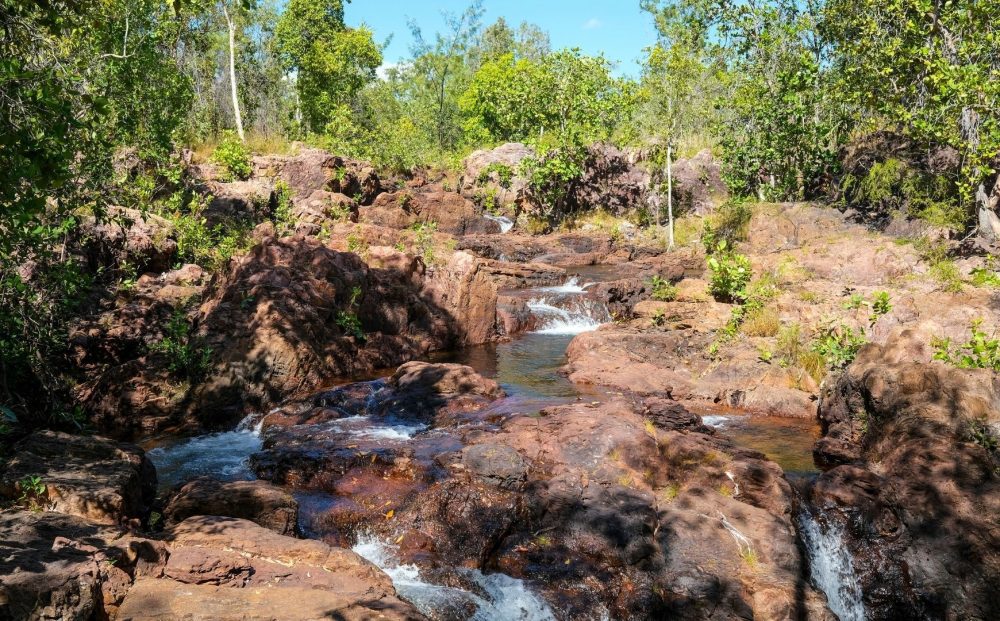
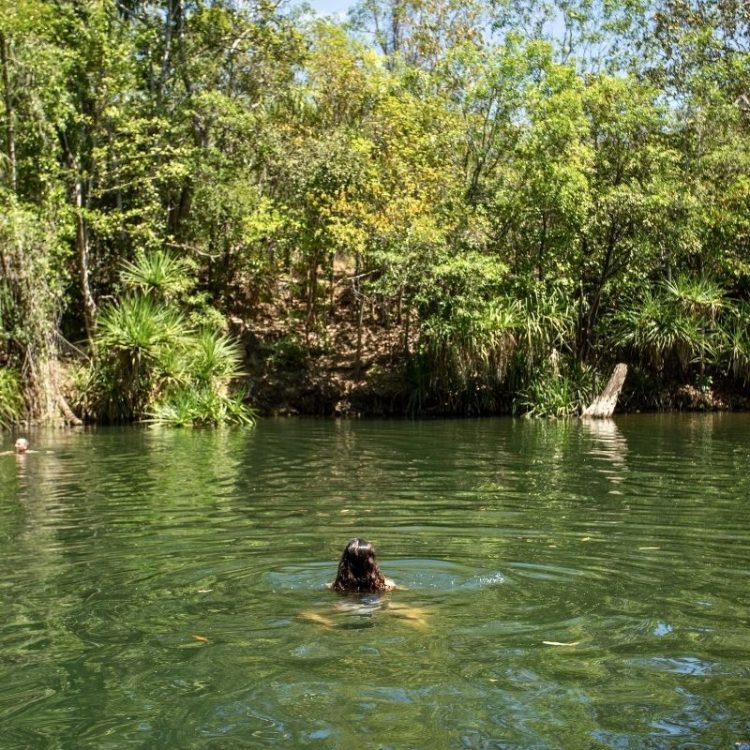
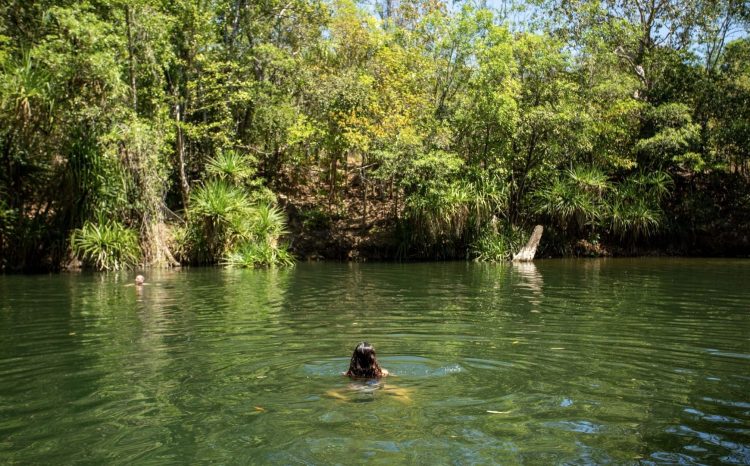
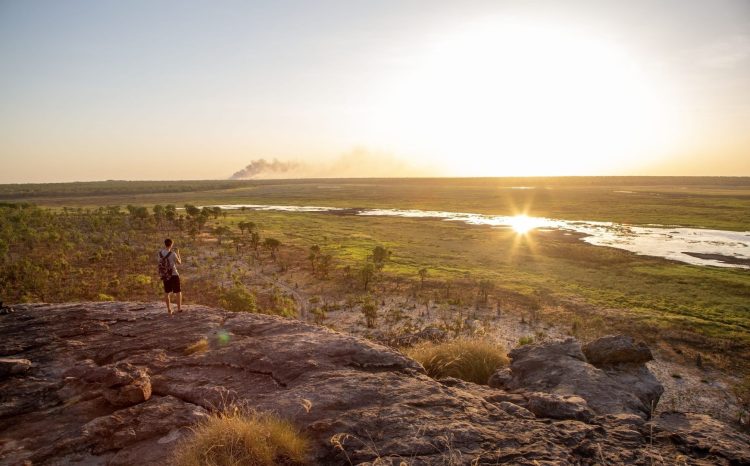
The tour starts and finishes in Darwin and covers two national parks. Litchfield lies about 120 km south-west on sealed roads, where creeks drain across the sandstone plateau of the Tabletop Range and drop off the escarpment as waterfalls that run year-round. From there the route crosses east into Kakadu, taking the Old Jim Jim Road into the park’s southern country before basing at Cooinda on the South Alligator floodplain. Accommodation is three nights: one in the Litchfield area, and two in safari-style glamping tents at Cooinda. Walking is short and frequent rather than long, and most days end with a swim.
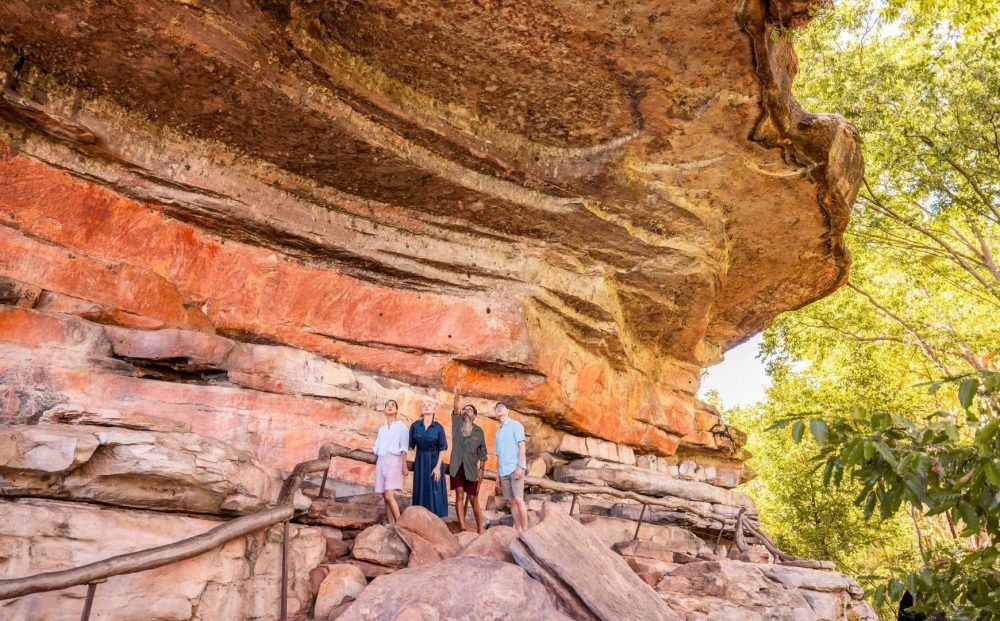
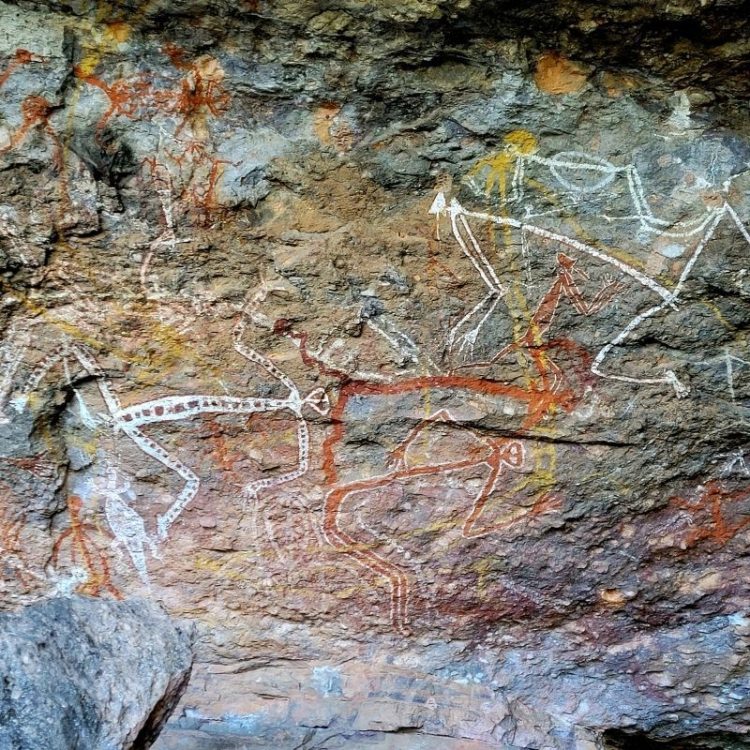
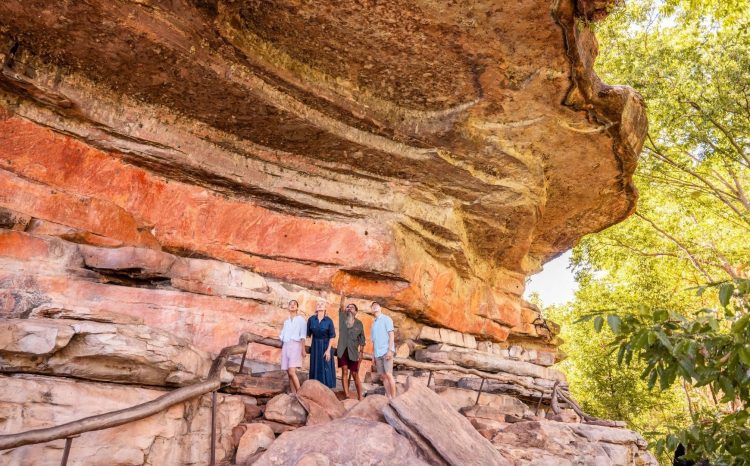
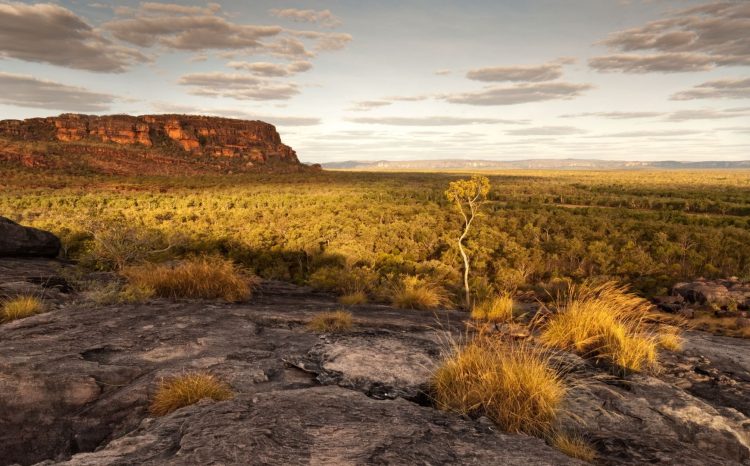
Three of Kakadu’s public rock art galleries sit on the route, and one story runs through two of them. At the Anbangbang Gallery at Burrungkuy (Nourlangie), a 2020 re-recording documented 187 individual figures on the walls. Nayombolmi, a Badmardi and Jawoyn man known as Barramundi Charlie, painted eighteen of them in a single week during the 1963–64 wet season, working with Nym Djimongurr. Nayombolmi left roughly 600 paintings across some 46 sites in his lifetime, which makes him the most prolific rock artist known anywhere; one of his female figures appeared on Australia’s 1988 commemorative ten-dollar note. Pigment analysis published in 2020 disproved a long-held assumption that the two men used commercial house paint—the white is a natural mineral pigment. On the northern side of the same rock, at Nanguluwurr, the same two artists painted again that same summer, on walls that also carry Dynamic Figures from the end of the Pleistocene, hundreds of hand stencils, 244 depicted objects of material culture, and a European sailing ship with its anchor chain trailing behind it. At Ubirr, the galleries are X-ray paintings of the wetland food supply — barramundi, mullet, magpie geese, wallaby, goanna, yams — and a thylacine, an animal gone from mainland Australia for at least 2,000 years.
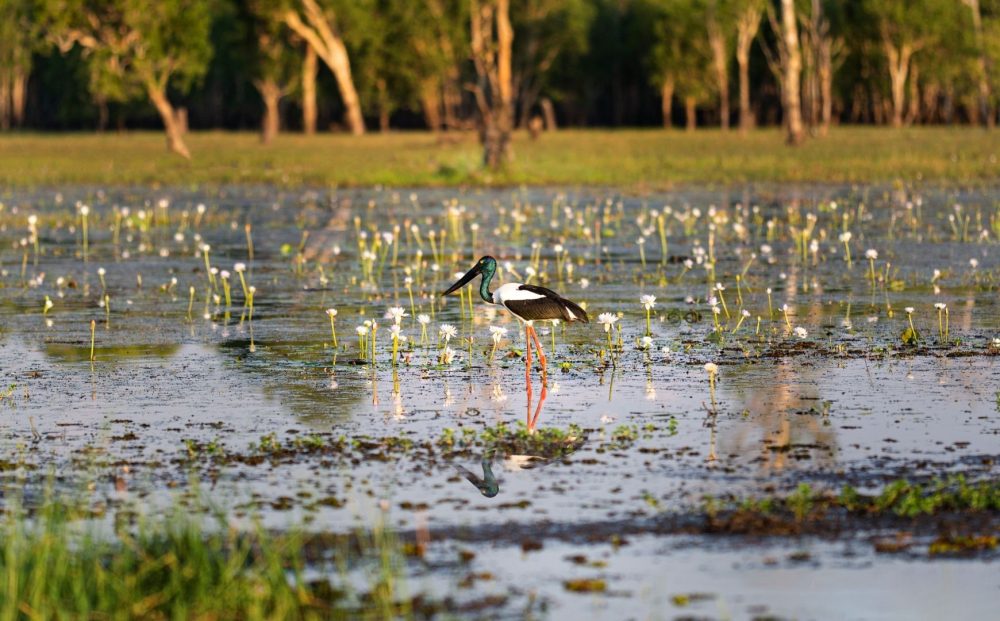
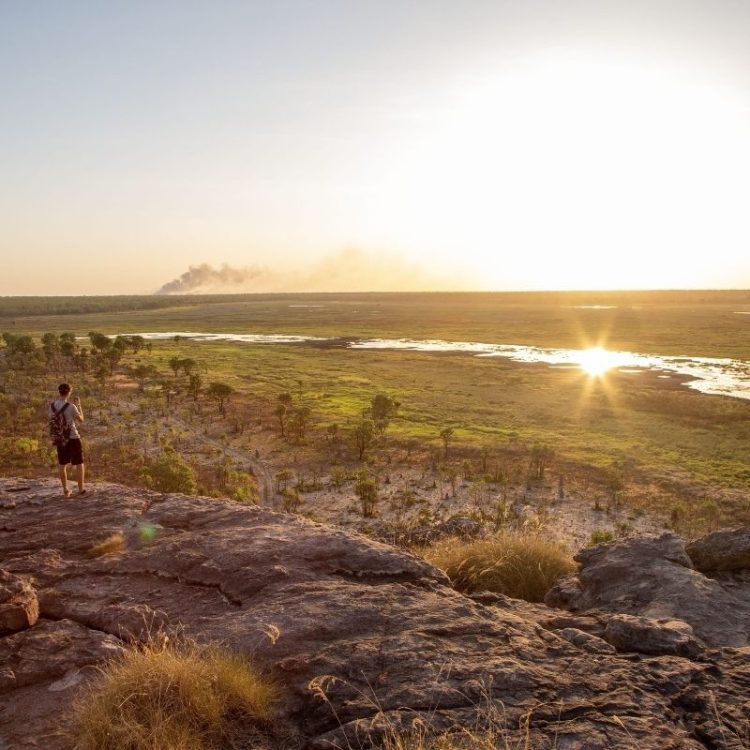
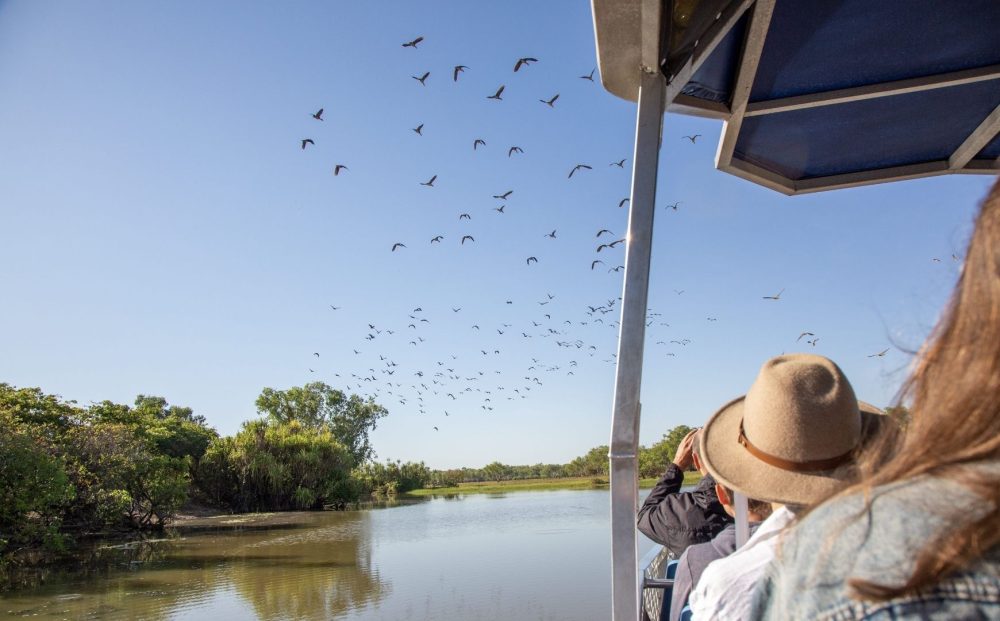
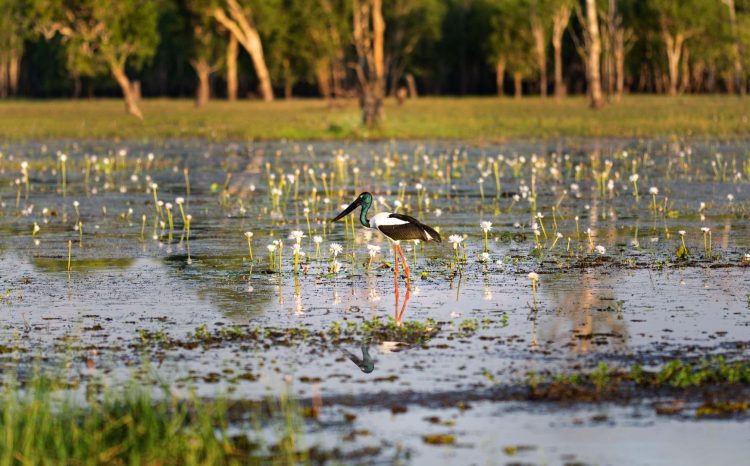
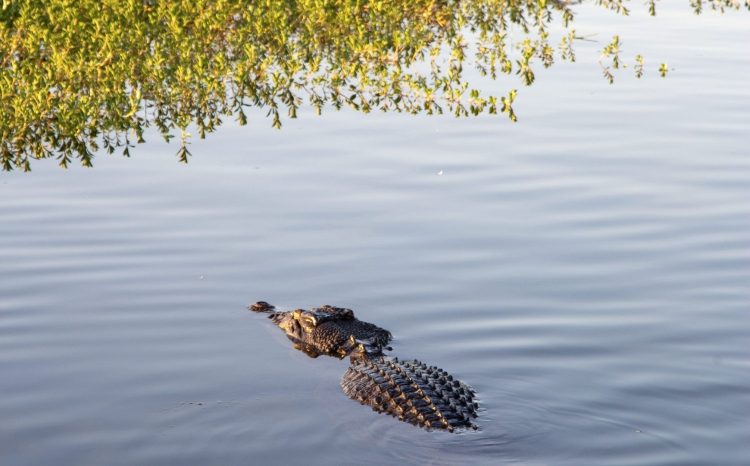
Kakadu is World Heritage listed for both its culture and its ecology, inscribed in three stages in 1981, 1987 and 1992, and is Aboriginal land leased back to the Director of National Parks and managed jointly with Bininj and Mungguy Traditional Owners. More than 5,000 rock art sites are recorded across its roughly 20,000 km². At Madjedbebe, on Mirarr Country in the park’s north, excavation dated human occupation to around 65,000 years, together with ground ochres and the world’s oldest known ground-edge hatchet heads. In the Bininj and Mungguy six-season calendar, the middle of the year is Wurrkeng: the coldest and driest part of the year, when the creeks stop flowing, and the floodplain draws down to its permanent billabongs, concentrating waterbirds, crocodiles and everything else onto what water is left.
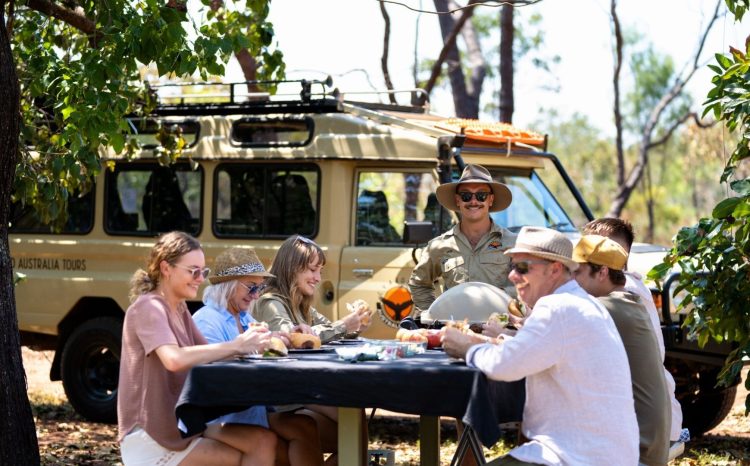
This tour runs as a private departure only. The practical difference is pace. A private group can stay an extra half hour at Anbangbang if the light is good, swim twice at Buley instead of once, start at first light or start late, and build the days around what the group actually wants to do. It also means the tour can be timed to the conditions rather than to a calendar — which matters in the Top End, where sites reopen after the wet on their own schedule. The tour suits families with older children and teenagers, groups of friends walking together, photographers who want time at each site, and couples who would rather not share a vehicle. Contact our team with your preferred dates and group size for a quote.
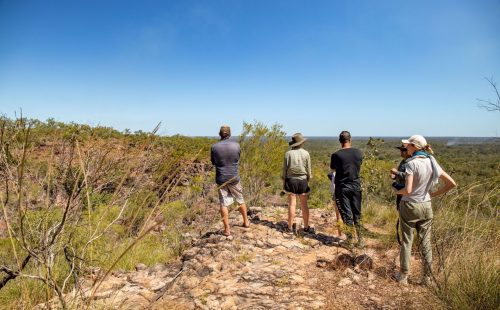
This tour suits active travellers comfortable with several short walks a day over uneven ground — rocky creek beds, sandy forest tracks, stairs, and rock scrambles — in tropical heat. On the fuller days you cover four to eight kilometres in total, carrying a daypack. You need moderate fitness and sure footing rather than any technical skill, and a real interest in Aboriginal cultural heritage: three of the four days include time at rock art sites, and the guiding at those sites is the substance of the tour, not a stop along the way. It is not a good fit for anyone who cannot manage stairs or uneven rock, or who is uncomfortable in heat and humidity.
Day 1
Litchfield National Park and the waterfall circuit
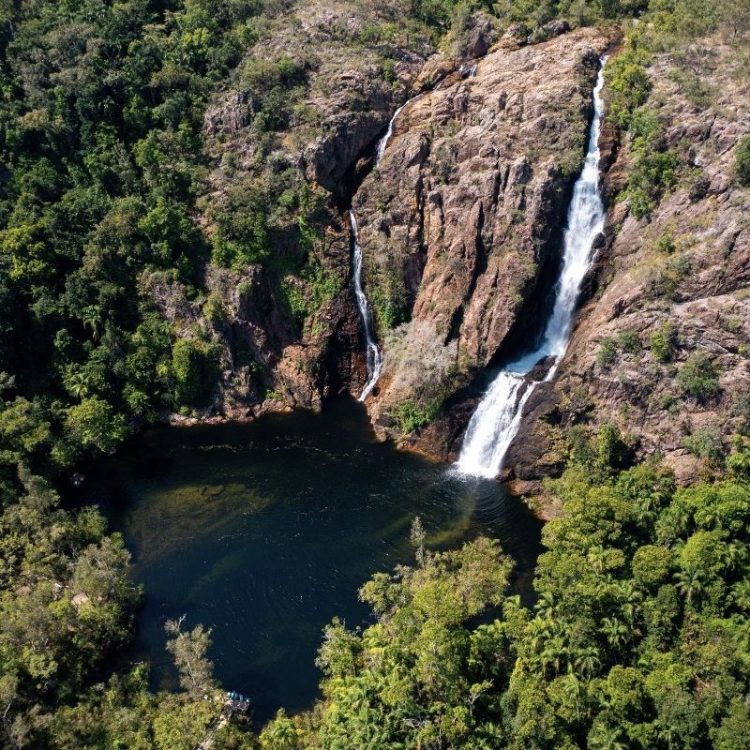
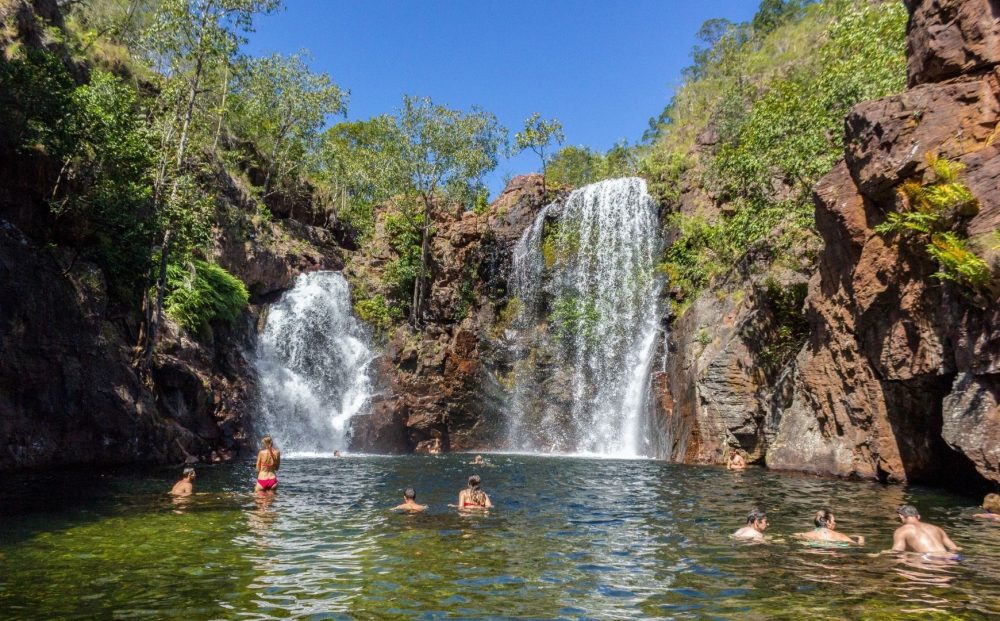
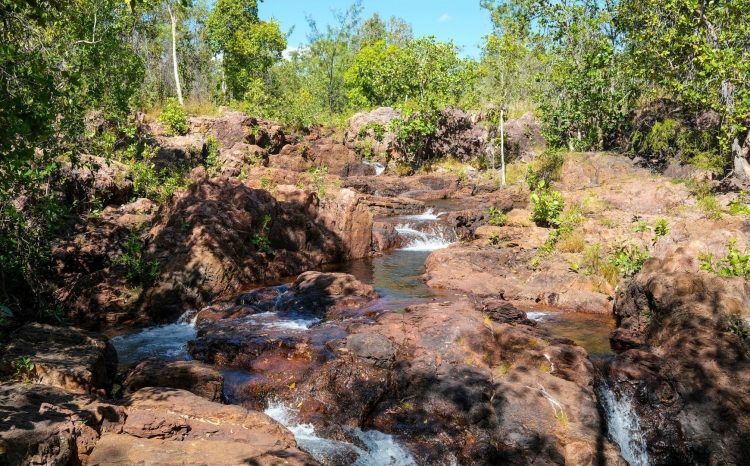
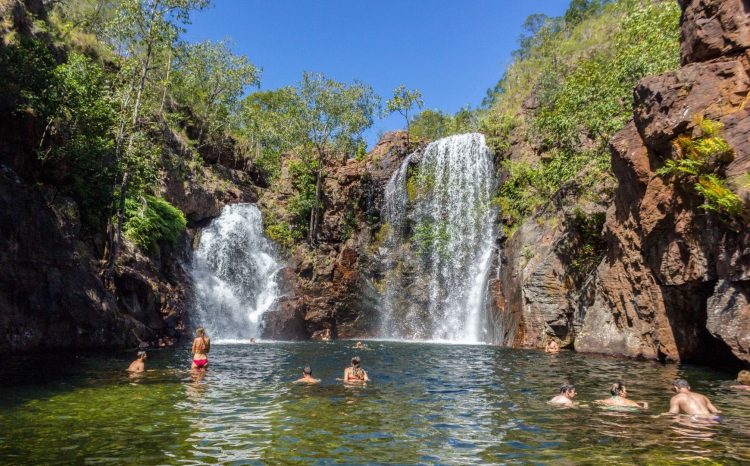
Pick up from your Darwin hotel and head south down the Stuart Highway. The first stop is Berry Springs Nature Park, about 50 km from Darwin, where clear spring-fed pools sit in monsoon forest behind a low weir built by servicemen during the Second World War as part of a rest and recreation camp. Orange-footed scrubfowl scratch through the leaf litter here, and the loop walk is good for fruit-eating birds — rose-crowned fruit-doves, figbirds, yellow orioles. Into Litchfield, past the magnetic termite mound field, where wedge-shaped mounds of Amitermes meridionalis stand two metres high and up to a century old, aligned almost exactly north–south so that the broad faces catch the low morning and evening sun while only a thin edge faces the midday heat. Research suggests the termites use the earth’s magnetic field to set the axis. The taller, rounded mounds alongside them belong to a different species, the cathedral termite Nasutitermes triodiae. At Wangi Falls (Ngantjurr), two cascades drop into a deep plunge pool, and the 1.6km track climbs through monsoon forest and up onto the escarpment above them. Then Tolmer Falls, where a 400m sealed path leads to viewing decks above a fall that drops in two stages over the sandstone; there is no access to the pool below, which protects the colony of near-threatened orange leaf-nosed bats in the caves at its base, and a natural rock arch spans the creek just above the lip. The afternoon finishes at Buley Rockhole, a chain of pools and small cascades you can sit in rather than swim across, and at Florence Falls (Karrimurri), reached by 160 steps down through rainforest to twin falls and a large pool. Overnight: Litchfield area. Meals: L/D.
Day 2
East into Kakadu and the walk into Maguk
Day 3
Yellow Water at sunrise and the Burrungkuy galleries
Day 4
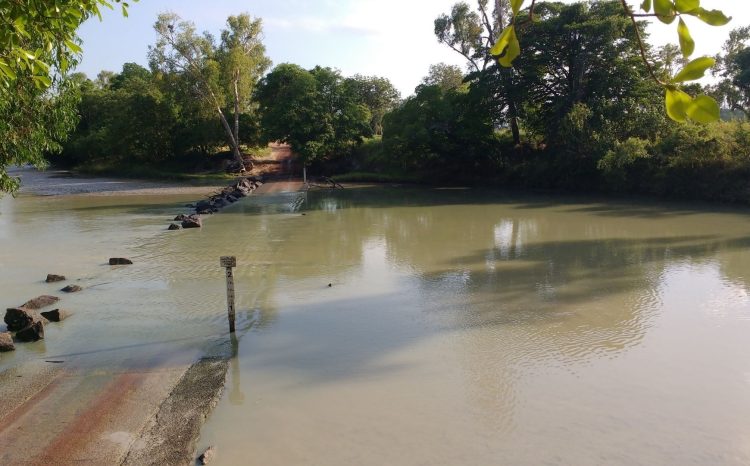
Ubirr, Cahills Crossing and back to Darwin
How does a private departure work?
What is the level of physical activity?
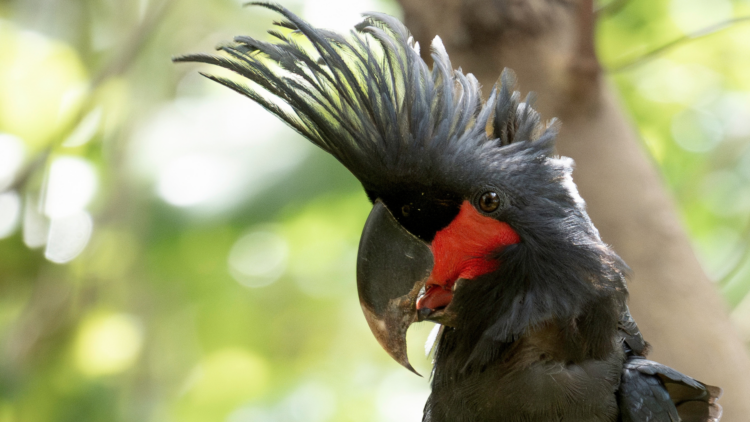
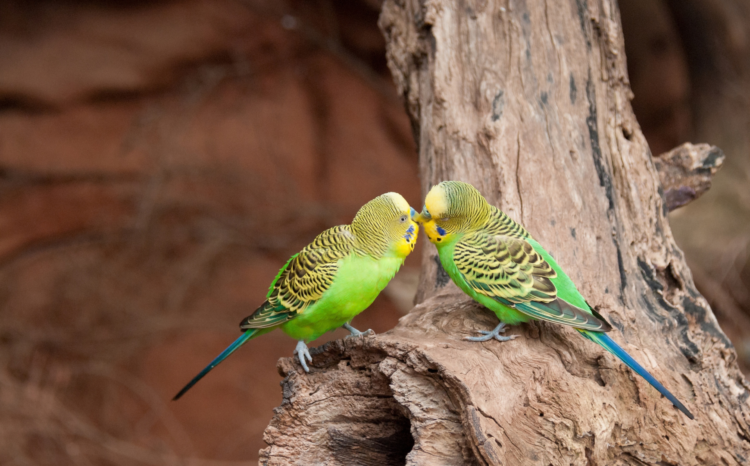
What wildlife can we expect to see?
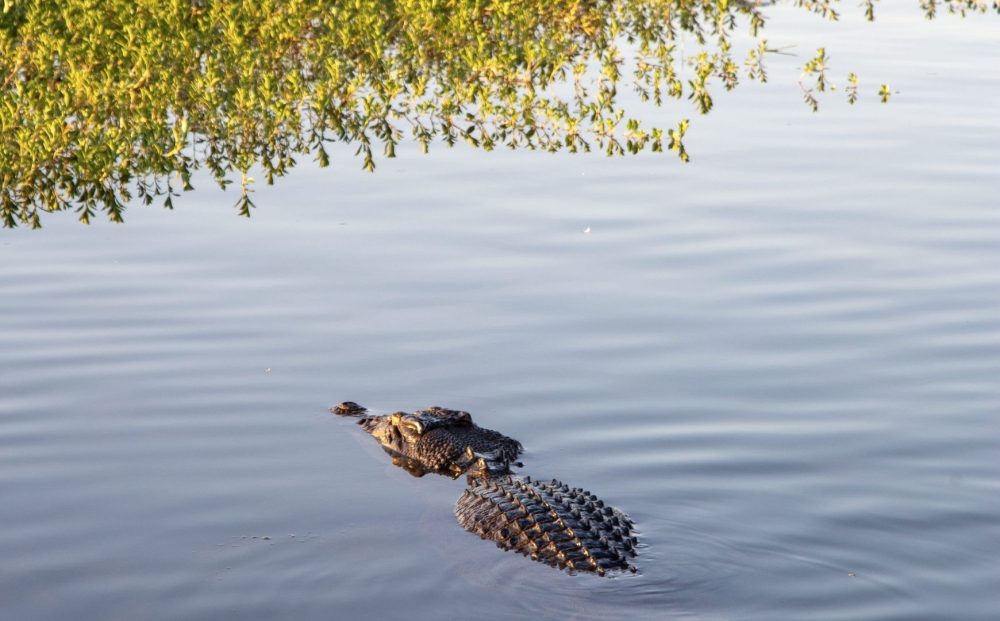
Is it safe to swim? What about crocodiles?


Tour Collection: Photography

Tour Collection: Nature & Wildlife

Tour Collection: Photography

Tour Collection: Nature & Wildlife
Tour Collection: Bird Watching

Tour Collection: Bird Watching
Tour Collection: Nature & Wildlife
Tour Collection: Bird Watching

Tour Collection: Indigenous & Culture

Tour Collection: Exclusive Expeditions

Tour Collection: Exclusive Expeditions
Tour Collection: Active Adventure
Tour Collection: Nature & Wildlife

Tour Collection: Nature & Wildlife
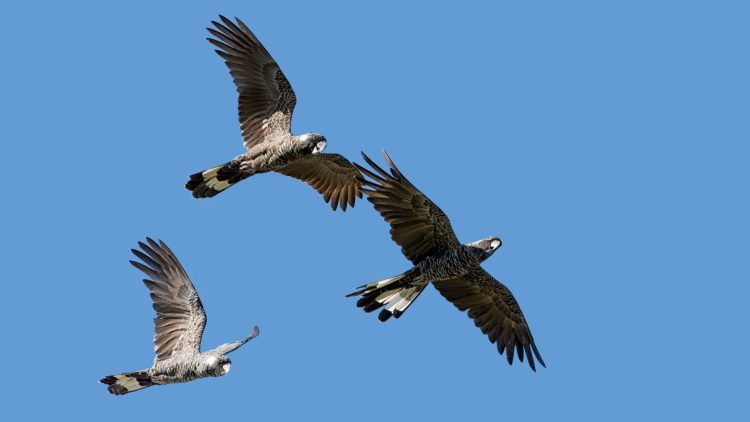
Tour Collection: Bird Watching

Tour Collection: Women’s Only
Tour Collection: Photography
Tour Collection: Photography
Tour Collection: Photography
Tour Collection: Nature & Wildlife
Tour Collection: Photography
Tour Collection: Nature & Wildlife
Tour Collection: Bird Watching
Tour Collection: Bird Watching

Tour Collection: Nature & Wildlife

Tour Collection: Nature & Wildlife

Tour Collection: Conservation & Citizen Science

Tour Collection: Nature & Wildlife

Tour Collection: Nature & Wildlife
Tour Collection: Photography
Tour Collection: Photography

Tour Collection: Photography

Tour Collection: Nature & Wildlife

Tour Collection: Nature & Wildlife

Tour Collection: Bird Watching
Tour Collection: Nature & Wildlife

Tour Collection: Bird Watching

Tour Collection: Nature & Wildlife
Tour Collection: Photography
Tour Collection: Nature & Wildlife
Tour Collection: Photography
Tour Collection: Nature & Wildlife
Tour Collection: Bird Watching
Tour Collection: Bird Watching

Tour Collection: Citizen Scientists

Tour Collection: History & Fossils

Tour Collection: Bird Watching

Tour Collection: History & Fossils
Tour Collection: Photography

Tour Collection: Photography

Tour Collection: Nature & Wildlife

Tour Collection: Bird Watching
Tour Collection: Photography
Tour Collection: Nature & Wildlife