1300 241 141
Logo
  • Tour Collections
  • Destinations
  • Travel Blogs
  • About
    • About us
    • Conservation Travel
    • Our experts
    • Get in touch
  • Australian geographic
Logo
  • Tour Collections
  • Destinations
  • Travel Blogs
  • About
    • About us
    • Conservation Travel
    • Our experts
    • Get in touch
  • Australian geographic
Footer Logo1300 241 141

Australian Geographic acknowledges the First Nations people of Australia as traditional custodians, and pay our respects to Elders past and present, and their stories and journeys that have lead us to where we are today.

  • Contributes Image

Company

  • Tour Collections
  • Destinations
  • Be Inspired
  • About
    • About us
    • Our experts
    • Get in touch
  • Australian Geographic

Destinations

  • New South Wales
  • Northern Territory
  • Queensland
  • South Australia
  • Western Australia
  • Victoria
  • Tasmania
  • Australian External Territories

Contact Us

Contributes Image

Australian Geographic contributes 100% of its profits to the Australian Geographic Society, including its conservation and sustainability programs.

1300 241 141
Logo
  • Tour Collections
  • Destinations
  • Travel Blogs
  • About
    • About us
    • Conservation Travel
    • Our experts
    • Get in touch
  • Australian geographic
Book Now
Logo
  • Tour Collections
  • Destinations
  • Travel Blogs
  • About
    • About us
    • Conservation Travel
    • Our experts
    • Get in touch
  • Australian geographic

Mungo Outback & Conservation Journey

Book Now
Picture of carousel
Picture of carousel
Picture of carousel
Picture of carousel
Picture of carousel
Picture of carousel
Picture of carousel
Picture of carousel
Picture of carousel
  • Trip Type

    Nature & Wildlife, Conservation & Citizen Science, Indigenous & Culture
  • Twin Share

    Maximum of two adults
    $ 3790
  • Single

    $ 4890
Book Now
Make a private tour

Make it a Private Tour

Tell us about your ideal private tour and we will make it happen!

dd-mm-yyyy
dd-mm-yyyy

Your privacy is important to us. We will only use your information to fulfill your request.

  • Book Now
Picture of the member

Echidna Walkabout

This tour is guided by Echidna Walkabout Nature Tours (EWNT), the in-house guiding team of Australian Geographic Travel who lead many of our journeys across Australia. With decades of experience, they are regarded as some of the nation’s finest nature guides. Their expertise, passion, and storytelling bring Australia’s wildlife and landscapes to life, making every tour authentic, insightful, and unforgettable.

Duration

6 Days

Group Size

8 Guests

Activity Level

Easy to Moderate

Book Now

About This Tour

Experience one of Australia’s most significant cultural and natural heritage sites on this six-day journey through the Willandra Lakes World Heritage Area. 

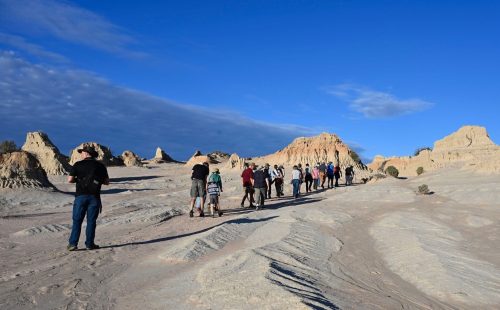
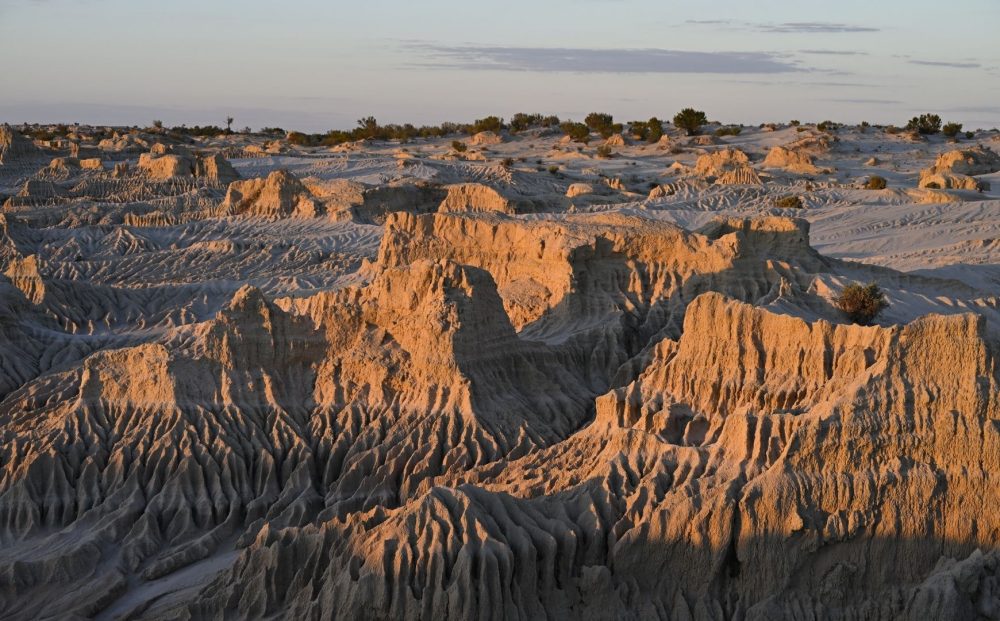
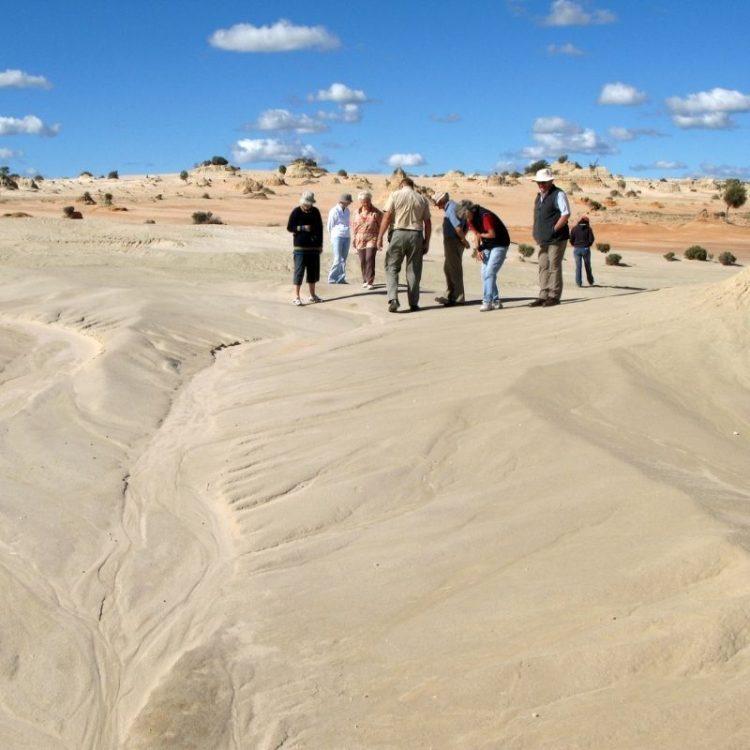
Lake Mungo preserves 50,000 years of continuous Aboriginal occupation – the longest known habitation of any land by any people on Earth. Walk across ancient dry lakebeds where megafauna once roamed alongside early Aboriginal communities, and explore eroded lunettes that reveal archaeological evidence spanning millennia. 

Beginning in Mildura, this tour combines exploration of Hattah-Kulkyne National Park’s diverse semi-arid ecosystems with immersive days at remote Mungo Lodge, where you’ll discover why this vast landscape earned World Heritage status for both its cultural significance and its extraordinary geological record of climate change.

Who Is This Tour for?

This tour suits nature enthusiasts, photographers, and travellers interested in deep-time human history and Australian wildlife. Perfect for those seeking immersive outback experiences combining Aboriginal heritage, geological processes, and arid-zone ecology. Suitable for most fitness levels with walking on varied terrain including sand dunes.

Trip Highlights

  • Walk ancient lakebeds where Aboriginal people lived continuously for 50,000 years
  • Explore eroded lunettes revealing archaeological sites and evidence of extinct megafauna
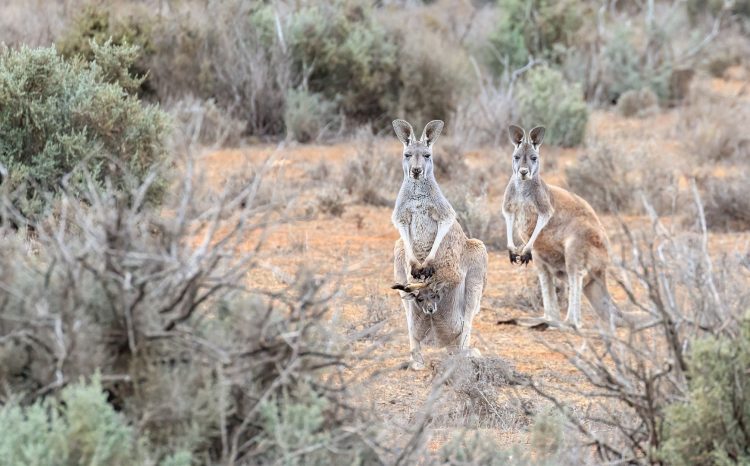
  • Track western grey and red kangaroos across red sand plains and saltbush country
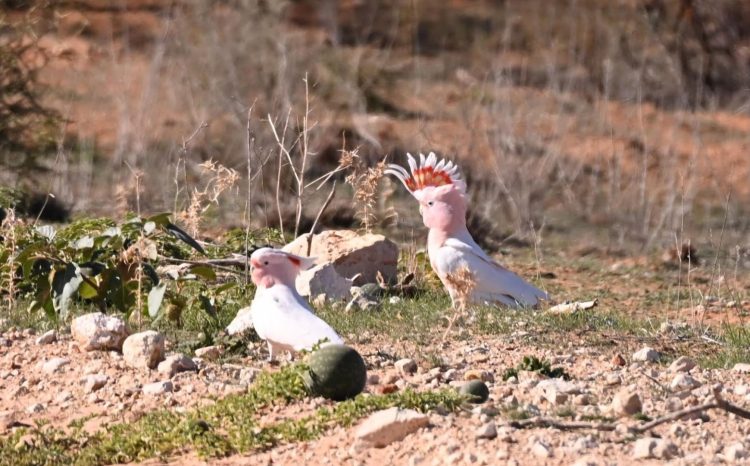
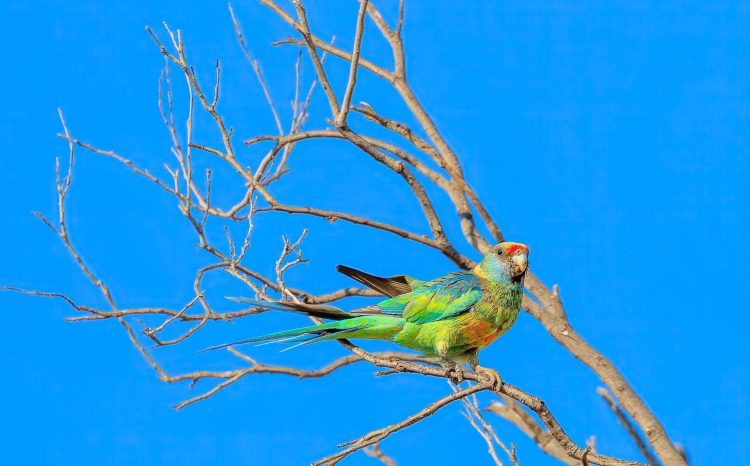
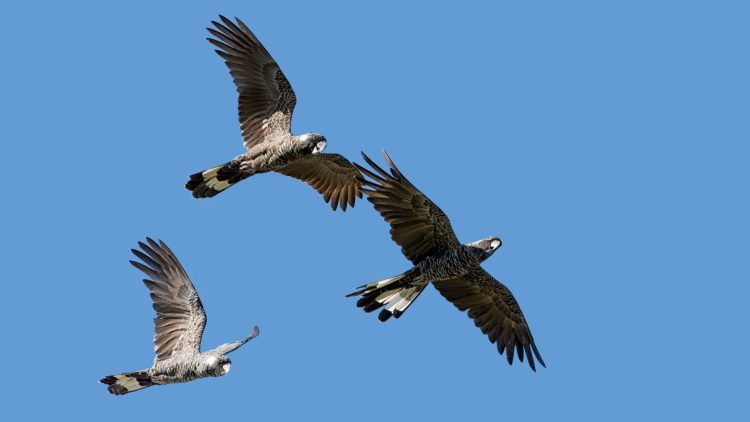
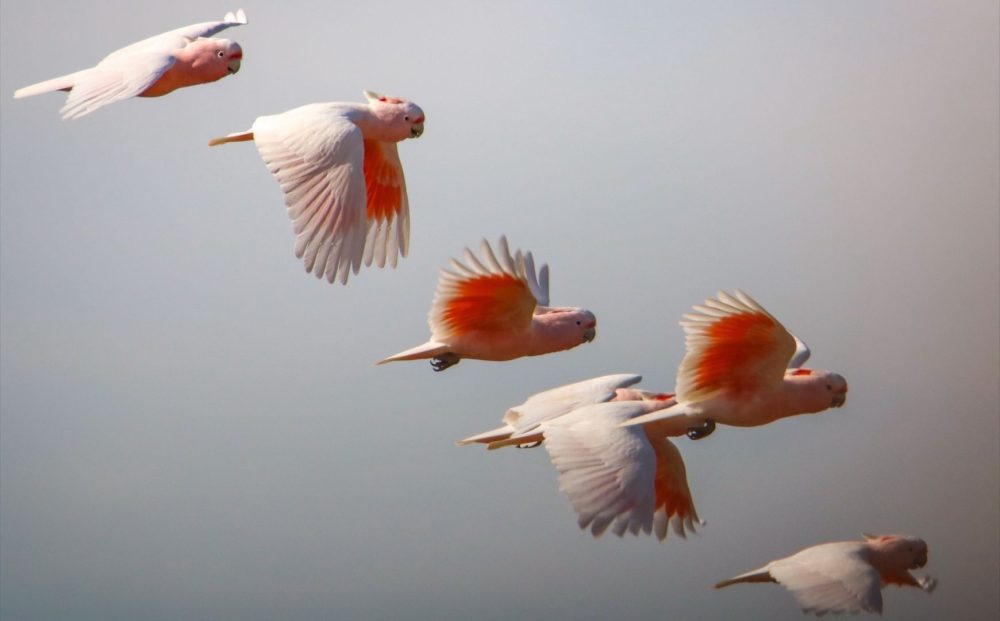
  • Search for pink cockatoos, malleefowl and diverse arid-zone parrots
  • Discover Hattah-Kulkyne's ephemeral lakes and exceptional semi-arid biodiversity
  • Climb massive sand dunes for 360-degree views across endless desert horizons
  • Learn how climate change transformed lush wetlands into arid landscapes over 18,000 years
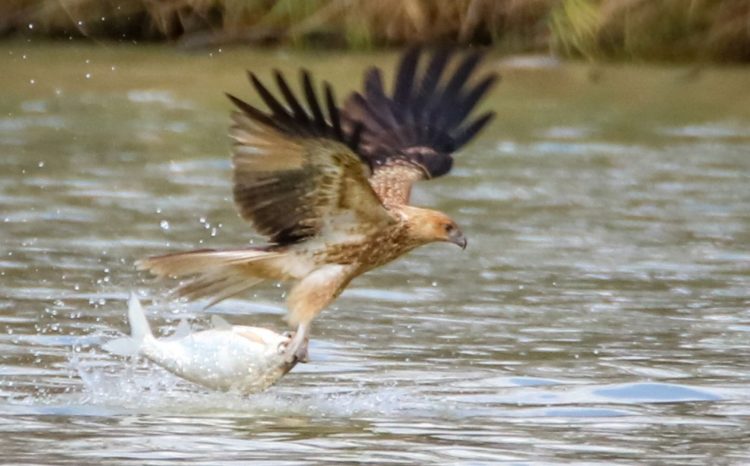
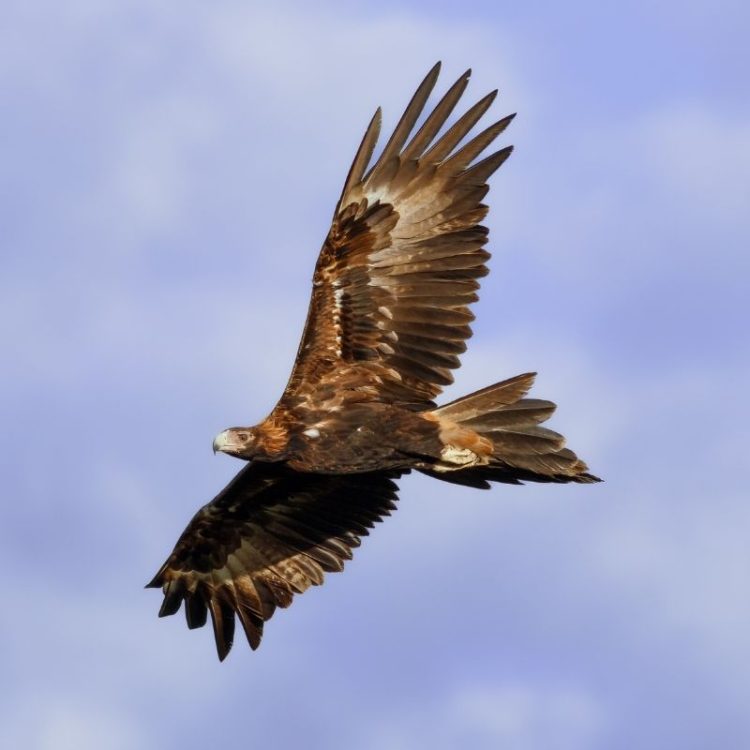
  • Observe raptors including spotted harrier, black falcon and wedge-tailed eagle
  • Stay at remote Mungo Lodge within the World Heritage Area

Included/Excluded

  • Included
  • Excluded
  • 5 nights accommodation (2 nights Quality Hotel Mildura Grand, 3 nights Mungo Lodge)
  • All meals from breakfast Day 2 through breakfast Day 6
  • All ground transport throughout the tour
  • Experienced wildlife guide for entire journey
  • National park entry fees
  • Guided walks and wildlife spotting activities
  • Domestic or international airfares
  • Airport pick up/drop off
  • Pre-registration, late check-out or day use at hotels other than specified above
  • Meals/beverages other than specified, alcohol
  • Tips and gratuities
  • Optional tours/services.

Itinerary

Day 1

Arrival in Mildura

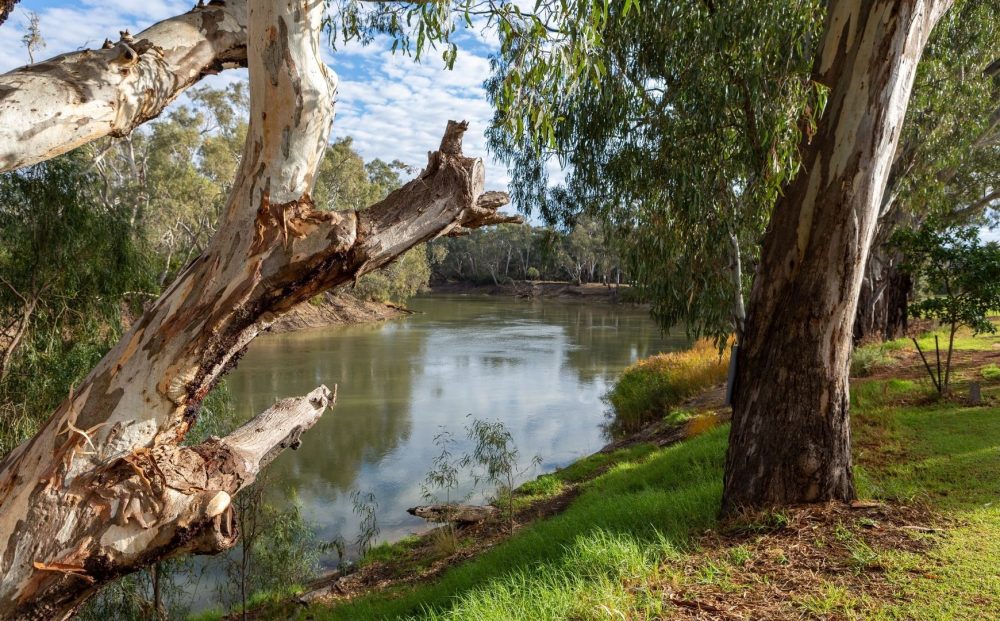
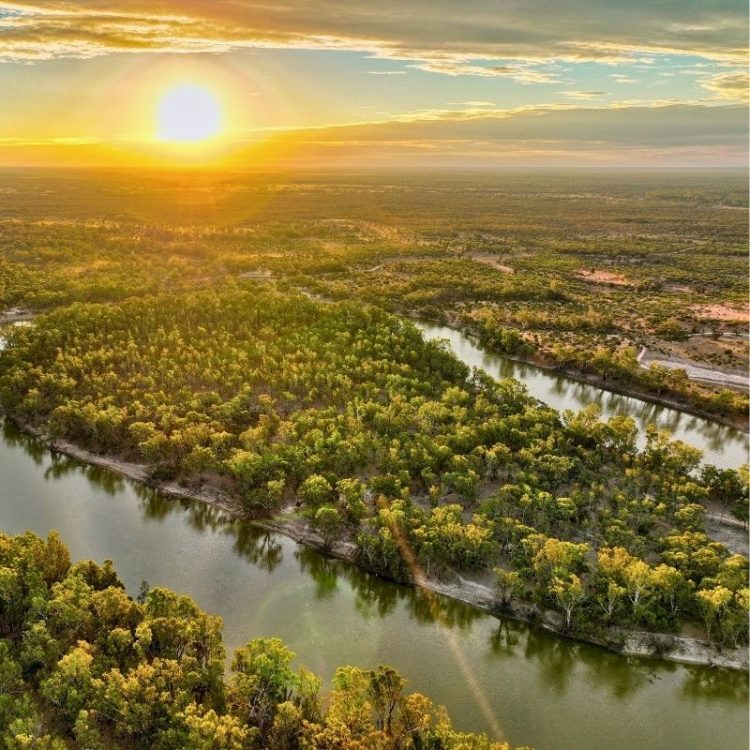
Arrive in Mildura, the gateway to Australia’s outback borderlands, where the Murray River sustains life at the edge of vast red sand deserts. After settling into Quality Hotel Mildura Grand, meet your guide for a tour briefing covering the journey ahead – from river systems to ancient lakebeds, from mallee woodlands to shifting dunes. This evening offers the opportunity to connect with fellow travellers before departing civilisation tomorrow. Mildura sits on Latji Latji country at the confluence of desert and river ecosystems, the threshold between Australia’s most productive agricultural region and its arid interior.

Day 2

Hattah-Kulkyne National Park

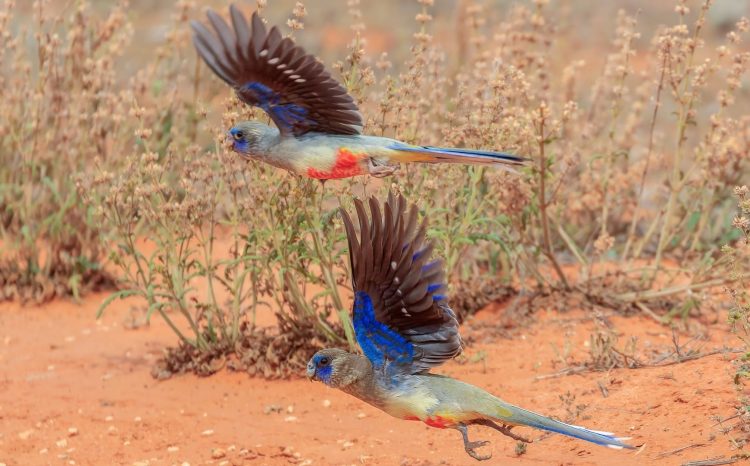
Travel south from Mildura into Hattah-Kulkyne National Park, where 48,000 hectares protect exceptional examples of semi-arid zone diversity. Positioned on Murray River floodplains extending into Mallee red sand dunes, this park contains ephemeral lakes whose water levels fluctuate with flood cycles, attracting remarkable concentrations of wildlife during wet phases. Today’s focus targets the park’s most elusive species – Mallee emu-wren skulking in dense vegetation, malleefowl maintaining their distinctive mounds and the diverse parrot assemblage, including regent parrots and blue bonnets. Search for sand goannas, whose beautiful markings provide camouflage against ochre sands, alongside skinks, geckos and other reptiles adapted to temperature extremes. The park’s dryland vegetation showcases mallee eucalypts, buloke woodlands and saltbush plains. Traverse the park’s centre through dunes and vast open vistas before returning to Mildura as sunset colours the desert red.

Day 3

Murray River and Journey to Lake Mungo

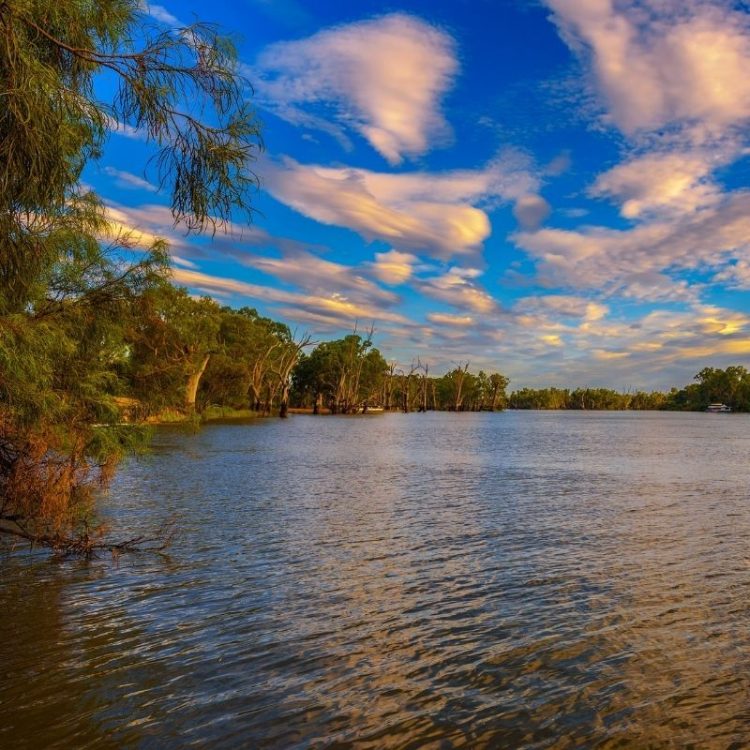
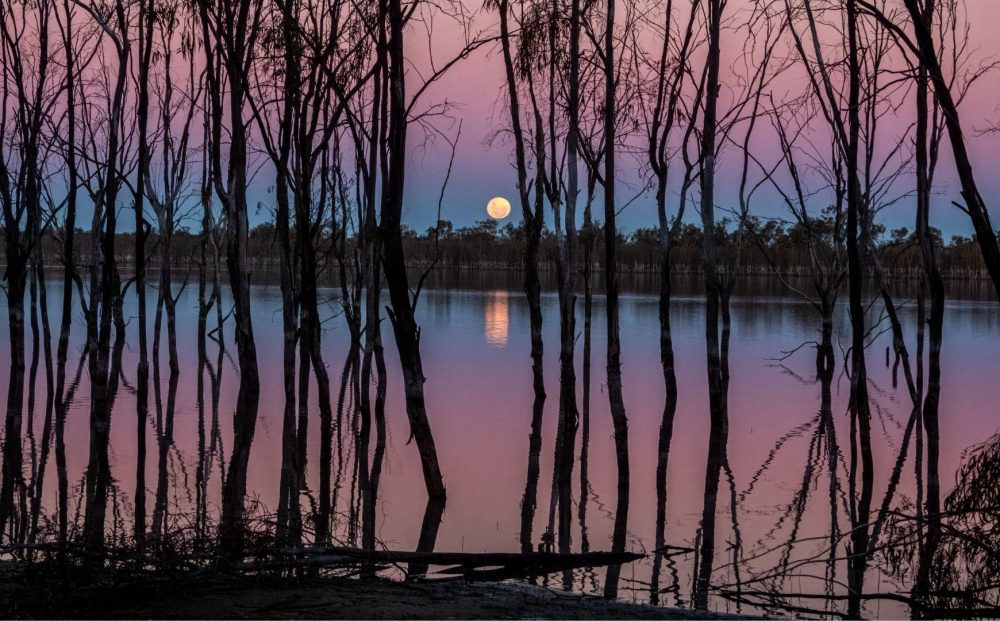
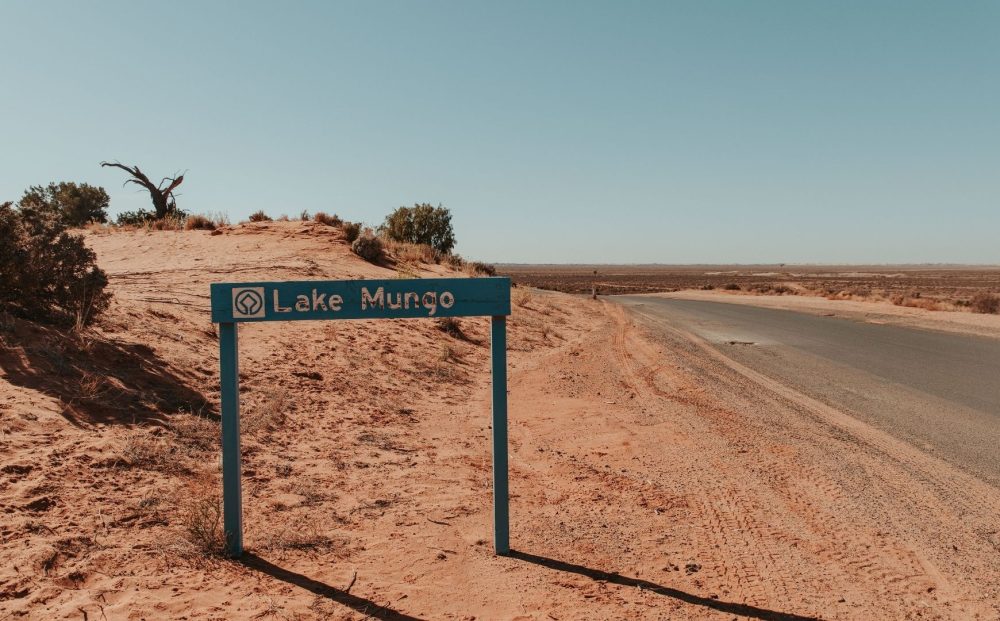
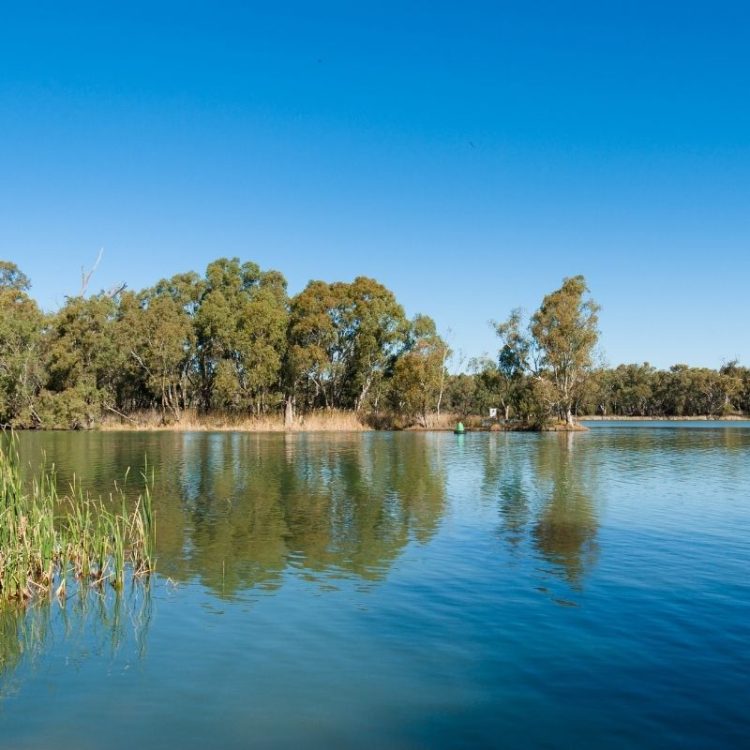
Explore Murray River billabongs where parrots, cockatoos and waterbirds congregate after desert foraging – a vital water source for species ranging across arid lands. These river habitats create corridors through otherwise dry country, concentrating biodiversity along permanent water. Depart the river zone and travel into increasingly arid landscapes, entering the vast 2,400-square-kilometre Willandra Lakes World Heritage Area. Walk along fossilised Willandra Creek, the ancient watercourse that fed this gigantic lake system before it dried 18,000 years ago. Continue into Mungo National Park, arriving as the afternoon light illuminates the landscape. Watch sunset over Lake Mungo’s dry bed – a perfectly flat expanse stretching to distant horizons, where the scale becomes overwhelming. Here, understand how the Willandra Lakes transformed from thriving wetlands to desert as post-glacial warming changed Australia’s climate. First sightings often include pink cockatoos, budgerigars and both species of great kangaroos – western grey and red – adapted to survive without surface water.

Day 4

Discovering the story of Mungo

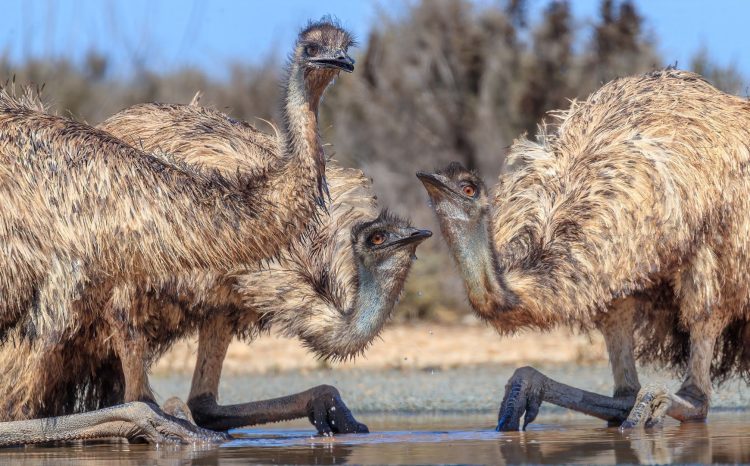
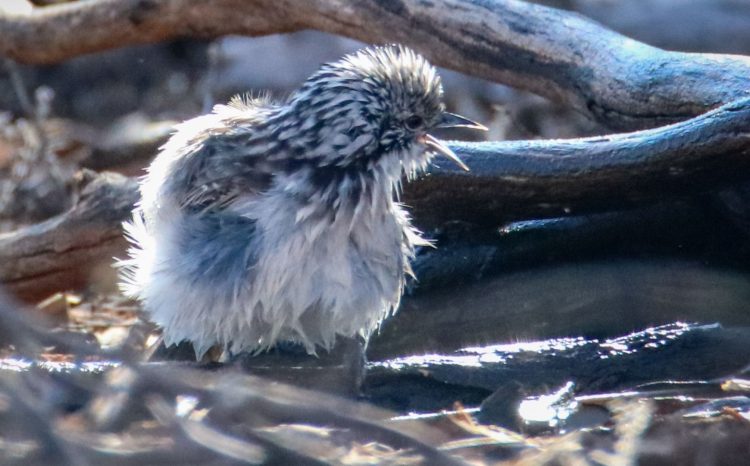
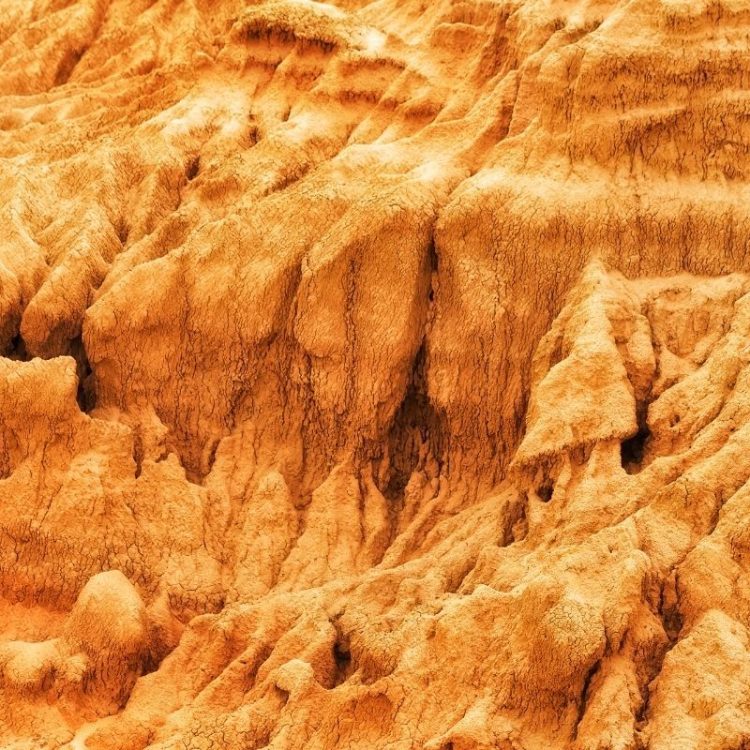
Spend two full days exploring Mungo National Park’s 1,110 square kilometres surrounding ancient Lake Mungo. This site preserves the world’s oldest human cremation, dating to 50,000 years ago, and continuous Aboriginal occupation dating to the longest documented habitation of any land. Eroded lunettes expose archaeological layers revealing how people lived, what they ate, and how they adapted as the climate shifted from wet to arid. Walk transects from the lakebed up into wind-carved dunes, following a timeline through 50,000 years. Observe evidence of campsites, cooking fires, and stone tool manufacture. Depending on recent erosion, megafauna skeletal remains occasionally emerge – evidence of giant marsupials that coexisted with early Aboriginal communities beside vast freshwater lakes. These extinct species, including giant kangaroos and Diprotodon, disappeared as the climate warmed and lakes evaporated. Today’s fauna represents survivors: red and western grey kangaroos (two of Australia’s five great kangaroo species), emus in abundance, pink cockatoos, chats, and arid-land fairy-wrens. Crested bellbirds call from mallee woodlands - raptors – spotted harrier, black falcon, grey falcon, wedge-tailed eagle – hunt across open plains. Extremely rare malleefowl may be glimpsed maintaining their massive incubation mounds. White-backed swallows nest in eroded dune faces. Traverse diverse habitats: dense mallee, cypress pine and buloke woodlands, mulga scrub, and vast saltbush plains. Massive white dunes rise above dry lakebeds – climb high into these formations for 360-degree views across seemingly endless desert. Traditional Owners continue monitoring burial sites as erosion exposes remains, maintaining a connection with ancestors while allowing respectful scientific research. The sacred nature of these sites means they remain closed to visitors, but their presence reminds us that this desert supported thriving communities for tens of thousands of years.

Day 5

Discovering the story of Mungo

Spend two full days exploring Mungo National Park’s 1,110 square kilometres surrounding ancient Lake Mungo. This site preserves the world’s oldest human cremation, dating to 50,000 years ago, and continuous Aboriginal occupation dating to the longest documented habitation of any land. Eroded lunettes expose archaeological layers revealing how people lived, what they ate, and how they adapted as the climate shifted from wet to arid. Walk transects from the lakebed up into wind-carved dunes, following a timeline through 50,000 years. Observe evidence of campsites, cooking fires, and stone tool manufacture. Depending on recent erosion, megafauna skeletal remains occasionally emerge – evidence of giant marsupials that coexisted with early Aboriginal communities beside vast freshwater lakes. These extinct species, including giant kangaroos and Diprotodon, disappeared as the climate warmed and lakes evaporated. Today’s fauna represents survivors: red and western grey kangaroos (two of Australia’s five great kangaroo species), emus in abundance, pink cockatoos, chats, and arid-land fairy-wrens. Crested bellbirds call from mallee woodlands - raptors – spotted harrier, black falcon, grey falcon, wedge-tailed eagle – hunt across open plains. Extremely rare malleefowl may be glimpsed maintaining their massive incubation mounds. White-backed swallows nest in eroded dune faces. Traverse diverse habitats: dense mallee, cypress pine and buloke woodlands, mulga scrub, and vast saltbush plains. Massive white dunes rise above dry lakebeds – climb high into these formations for 360-degree views across seemingly endless desert. Traditional Owners continue monitoring burial sites as erosion exposes remains, maintaining a connection with ancestors while allowing respectful scientific research. The sacred nature of these sites means they remain closed to visitors, but their presence reminds us that this desert supported thriving communities for tens of thousands of years.

Day 6

Rivers meet and farewell

Depart Mungo Lodge, carrying an understanding of deep time – 50,000 years of human adaptation, 18,000 years of climate transformation, and ongoing processes still shaping this landscape. Travel via Wentworth to observe the confluence of Murray and Darling Rivers, where Australia's two longest river systems meet. This junction has drawn people for millennia, marking the boundary between permanent water and seasonal aridity. Return to Mildura by midday, reconnecting with contemporary Australia after days immersed in landscapes that reveal our species’ longest continuous story.

Frequently Asked Questions

What makes Lake Mungo World Heritage listed?

Mungo preserves 50,000 years of continuous Aboriginal occupation and the world's oldest cremation. It also reveals extinct megafauna remains and climate change evidence across millennia.

Will we see Aboriginal burial sites?

No. Burial sites remain closed to visitors out of respect for Traditional Owners and their ancestors. We observe archaeological evidence in non-sacred areas only.

What wildlife can we expect?

Red and western grey kangaroos, emus, pink cockatoos, diverse parrots, raptors, and reptiles are likely. Malleefowl are extremely rare but possible. Species vary seasonally.

How challenging is the walking?

Walking is easy to moderate on varied terrain. Most walks are 1–3 kilometres on flat or gently undulating ground. Dune climbing is optional but involves soft sand.

What are the temperatures like?

October temperatures range from 2–9°C at night to 25–35°C during the day. Conditions are typically dry. Layered clothing essential for temperature variation throughout the day.

Can I see megafauna fossils?

Erosion occasionally exposes skeletal fragments of extinct marsupials. Sightings depend on recent wind and weather patterns. We never disturb or collect archaeological material.

What is a lunette?

Lunettes are crescent-shaped dunes formed on the downwind shore of dry lakes. At Mungo, erosion reveals distinct layers documenting 50,000 years of environmental and human history.