Red Centre Birdwatching
Duration
7 Days
Group Size
7 People
Activity Level
Easy to Moderate
Spend seven days birding the Red Centre from Alice Springs, through the West and East MacDonnell Ranges and spinifex country.
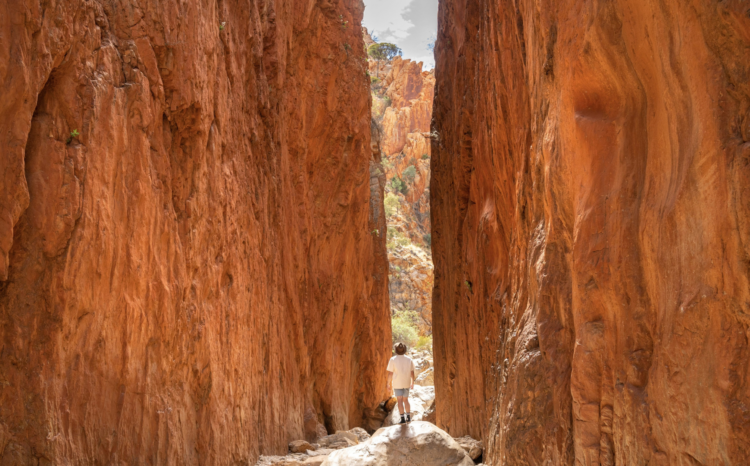
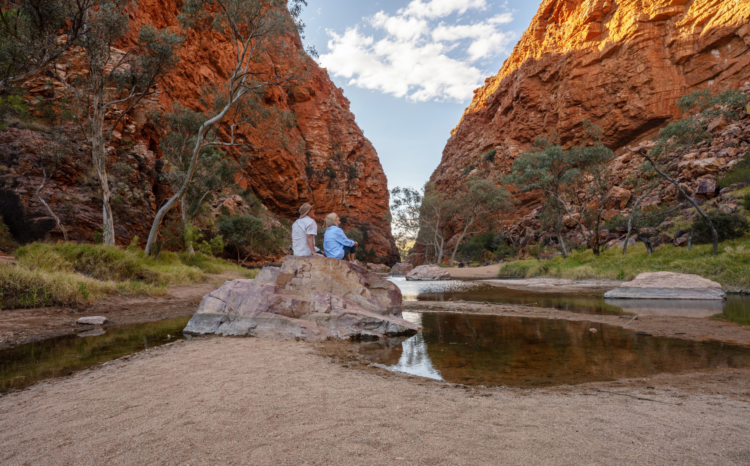
The tour is based out of Alice Springs, and works outward from the town in three directions in a comfortable touring vehicle. South-east along Santa Teresa Road, through rolling mulga scrub and spinifex plains broken by rocky outcrops. West into Tjoritja/West MacDonnell National Park, where gorges cut through red quartzite ridgelines at Ormiston Gorge, Standley Chasm – Angkerle Atwatye, Serpentine Gorge and Simpsons Gap. East along the MacDonnell Ranges’ other flank to Trephina Gorge Nature Park, and into Alice Springs itself for the river red gums of the Alice Springs Telegraph Station Historical Reserve.
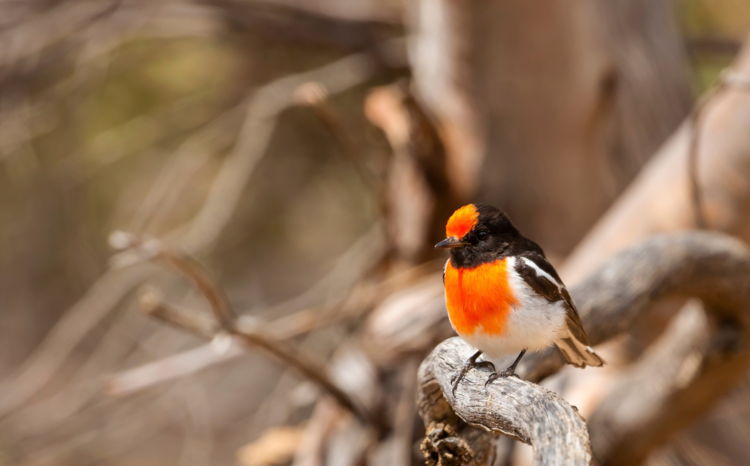
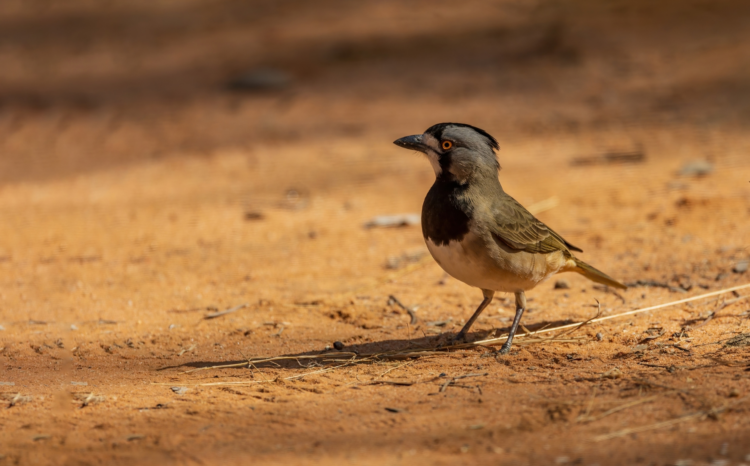
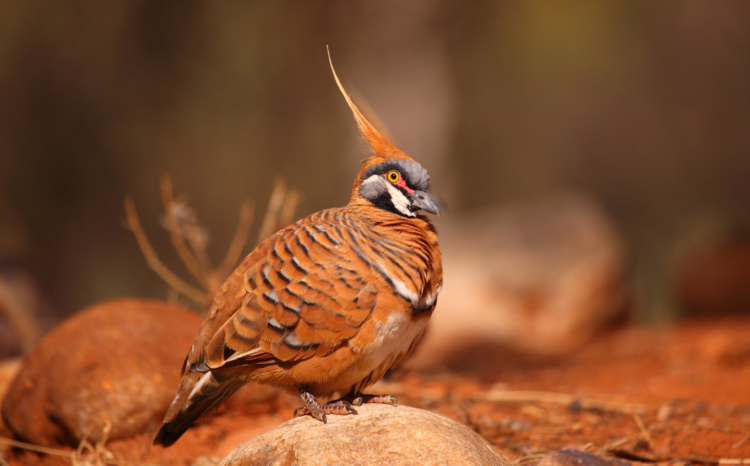
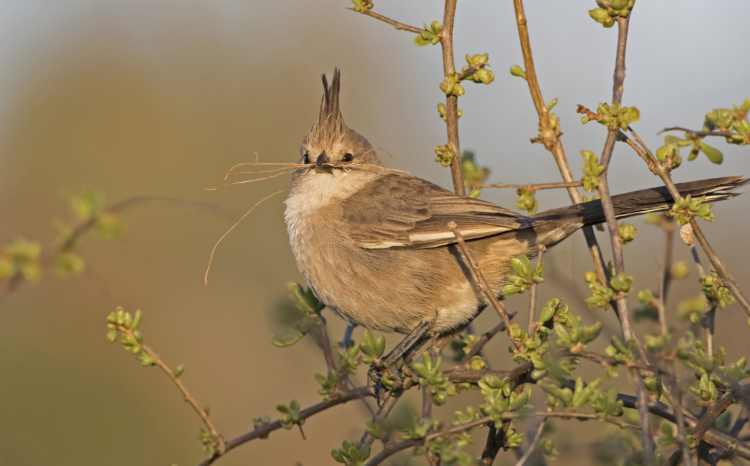
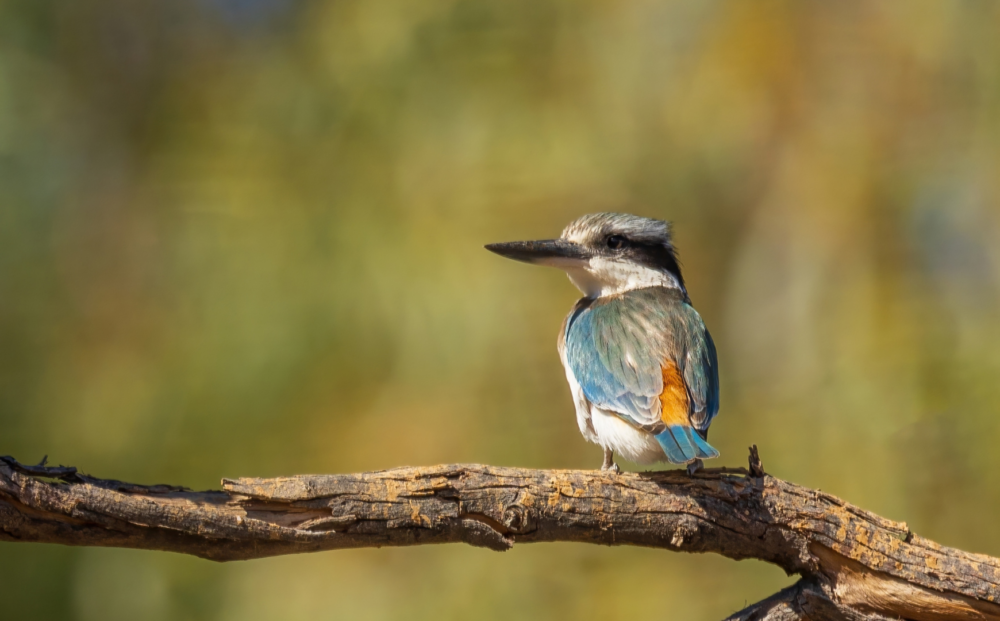
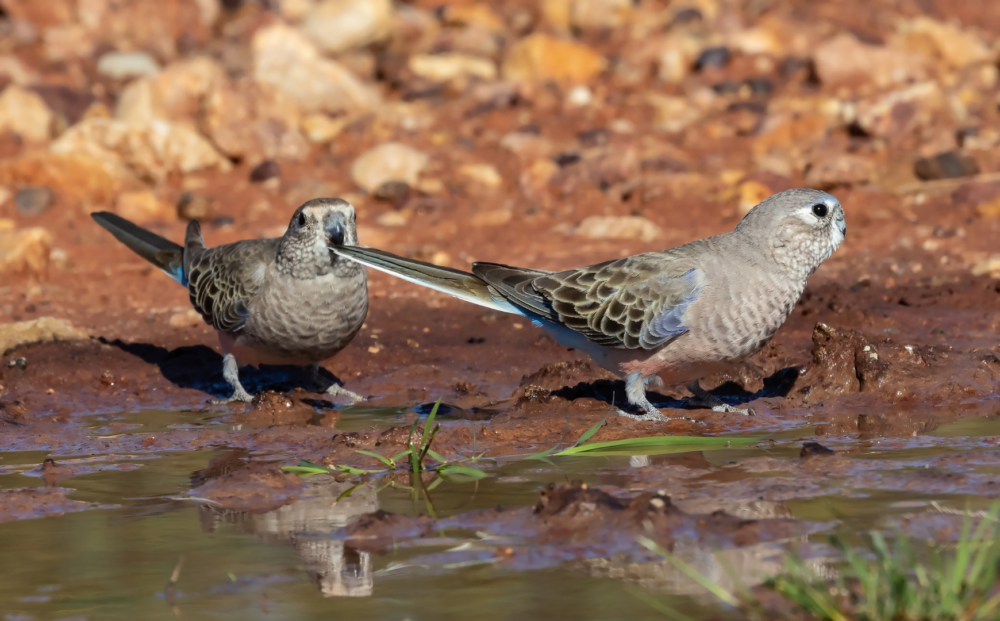
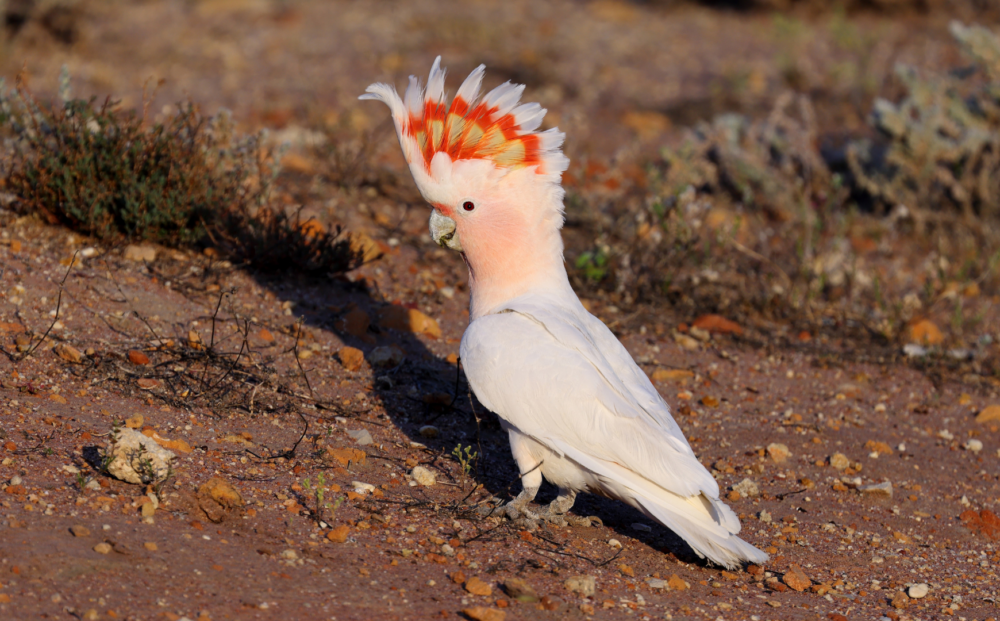
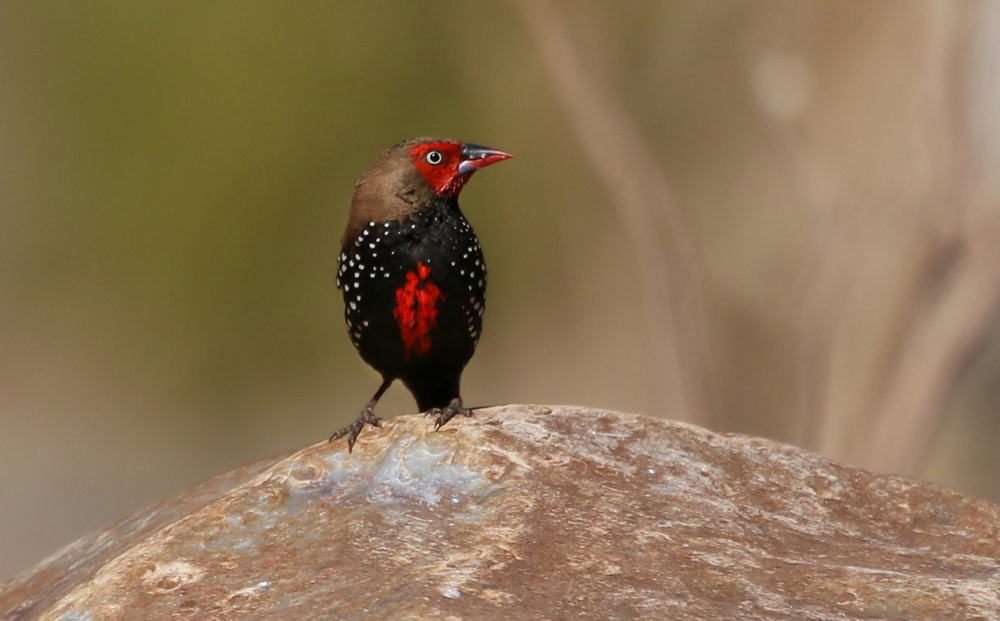
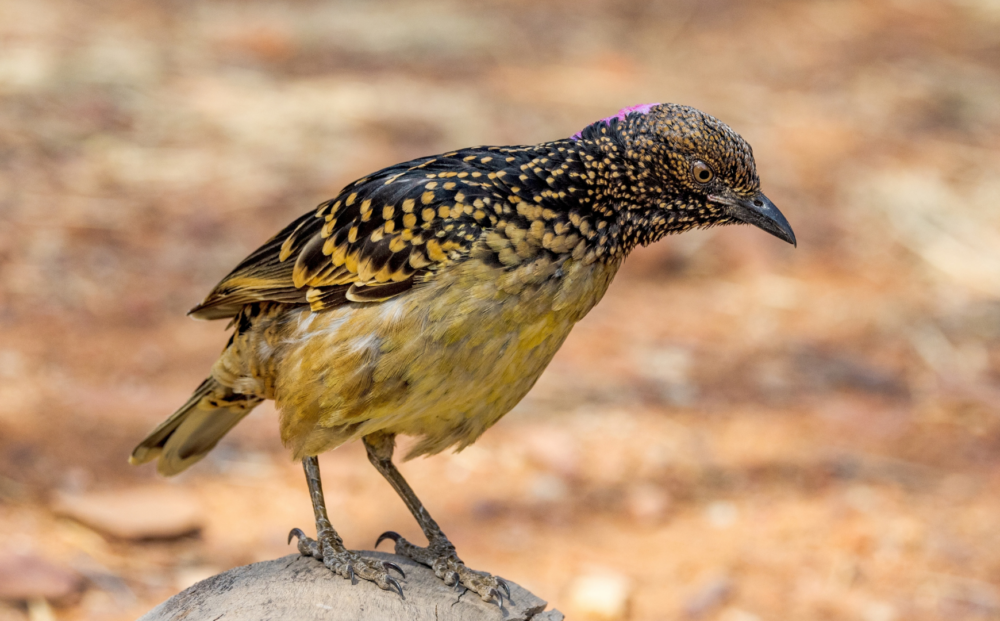
The birds are Central Australia’s spinifex and mulga specialists, and several are hard to see anywhere else. Dusky grasswren and Rufous-crowned emu-wren live in rocky outcrops and spinifex hummocks; painted finch and spinifex pigeon favour the same broken, stony country; banded whiteface and chiming wedgebill are mulga birds through and through. A behind-the-scenes visit to Alice Springs Desert Park adds its free-flying bird show and Nocturnal House to the list, built to allow visitors to see the Red Centre’s rare nocturnal species in daylight hours. Along Santa Teresa Road, the route also passes a rarely visited Arrernte rock art site and hopefully, a western bowerbird tending its bower.
The MacDonnell Ranges tell their own story: the quartzite ridgelines you drive past and walk through are the deeply eroded remnant of a mountain-building event roughly 300 to 350 million years ago, among the continent’s oldest landscapes. Standley Chasm sits in a reserve privately owned and run by the Iwupataka Land Trust rather than NT Parks, and is known for the MacDonnell Ranges Cycad (Macrozamia macdonnellii) growing on its slopes, a species endemic to the Northern Territory. Built in 1871 beside a waterhole the Arrernte call Atherreyrre, the Alice Springs Telegraph Station was the first European settlement in Central Australia and operated as a relay point on the Overland Telegraph Line for sixty years. The tour’s last night includes a gourmet barbecue dinner and guided stargazing at Earth Sanctuary, under skies rated among the country's darkest and clearest.
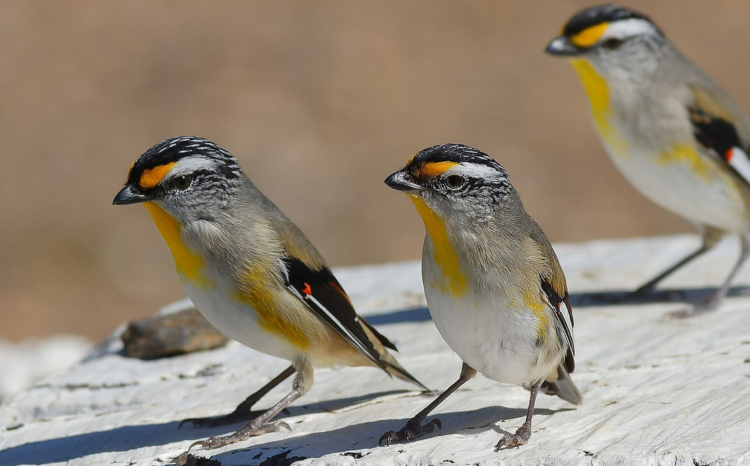
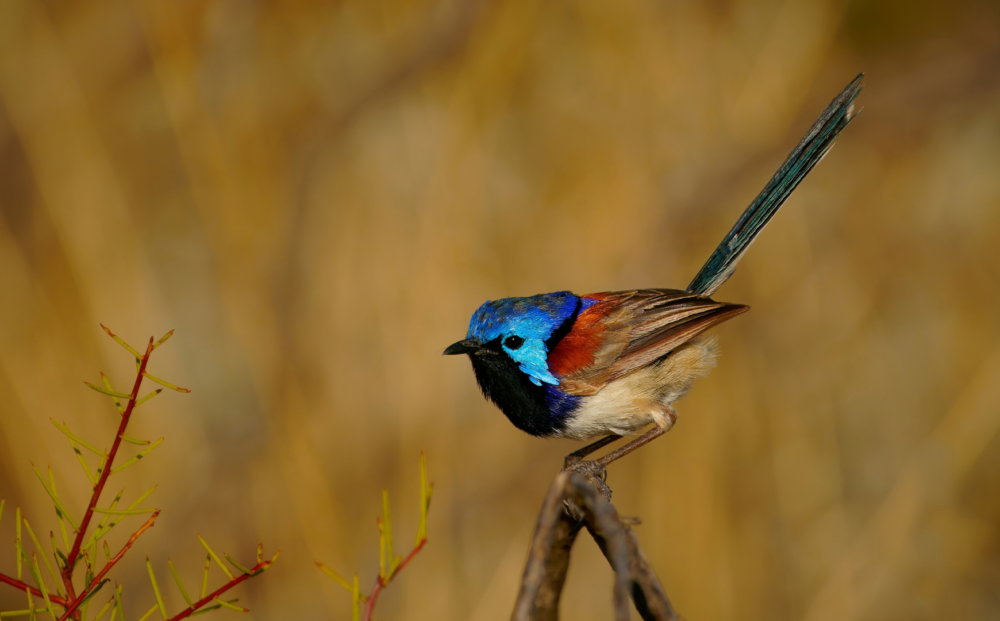
- Search Central Australia’s spinifex and mulga country for dusky grasswren, Rufous-crowned emu-wren, painted finch, banded whiteface, spinifex pigeon and purple-backed fairywren
- Bird the gorges of Tjoritja/West MacDonnell National Park (Ormiston Gorge, Standley Chasm (Angkerle Atwatye), Serpentine Gorge and Simpsons Gap) through dramatic quartzite ranges roughly 300 to 350 million years old.
- Explore the renowned Santa Teresa Road, through mulga scrub, spinifex plains and a rarely visited Arrernte rock art site.
- Watch a western bowerbird tending its bower from a lunch stop on Santa Teresa Road.
- Take a behind-the-scenes tour of Alice Springs Desert Park, including its twice-daily free-flying bird show and the purpose-built Nocturnal House.
- Watch for black-footed rock-wallabies at Simpsons Gap.
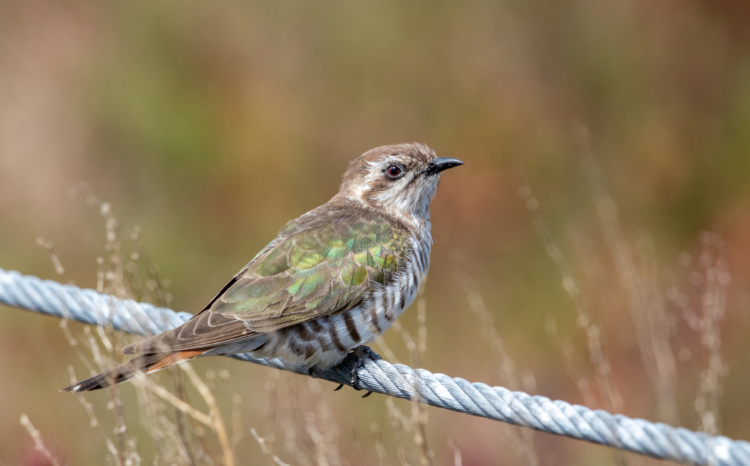
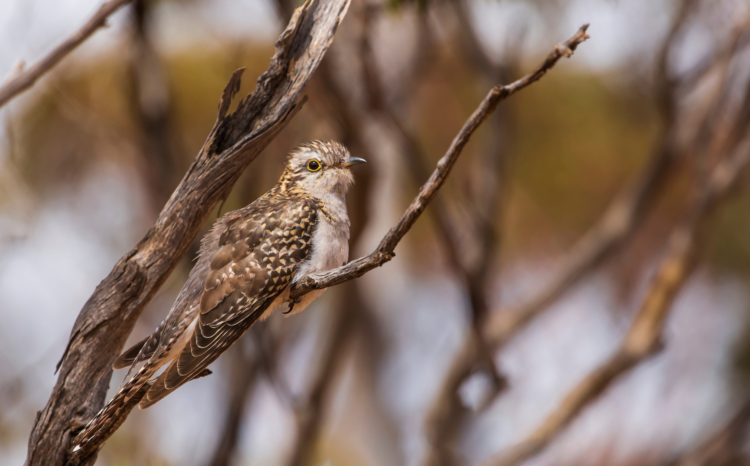
- Walk Trephina Gorge in the East MacDonnell Ranges looking for diamond dove, Horsfield’s bronze-cuckoo and rainbow bee-eater.
- Tour the historic Alice Springs Telegraph Station, the Overland Telegraph’s original 1871 relay station beside the Arrernte waterhole Atherreyrre.
- Finish with a gourmet barbecue dinner and guided stargazing at Earth Sanctuary’s observatory under some of Australia’s darkest skies.
- Six nights’ accommodation in en-suite rooms at Mercure Alice Springs.
- Five breakfasts, five lunches and six dinners.
- Comfortable air-conditioned touring vehicle (12-seater).
- Historic Telegraph Station entry fees.
- Alice Springs Desert Park behind-the-scenes tour.
- Gourmet barbecue dinner and guided stargazing experience at Earth Sanctuary.
Itinerary
Day 1
Welcome to Alice Springs
Your guide meets you in the hotel foyer for a welcome dinner, introductions and an outline of the week ahead.
Overnight: Alice Springs.
Meals: D.
Day 2
Santa Teresa Road
Day 3
Tjoritja / West MacDonnell Ranges
Day 4
Alice Springs Desert Park & mulga woodlands
Day 5
East MacDonnell Ranges
Day 6
Alice Springs / Mparntwe: Telegraph Station, gourmet BBQ and stargazing
Day 7
Departure
Frequently asked questions
Which birds is this tour built around?
How do I get to Alice Springs, and should I book a pre-tour night?
What is the level of physical activity?
What wildlife can we expect to see?
Can I book a private departure?
Can I book a twin spot (half-twin share) if I am travelling on my own?

Explore the Red Centre