
South Australia
Flinders Ranges Photography Safari
Tour Collection: Photography

Dates

An enthusiastic conservationist and often found volunteering for various marine organizations in the Byron Shire where she resides when not traveling and working on the Great Barrier Reef. Susy is proudly a CoralWatch Ambassador and Reef Check Australia Surveyor spreading the word about conservation of our oceans.
6 Days
10 People
Easy to Moderate
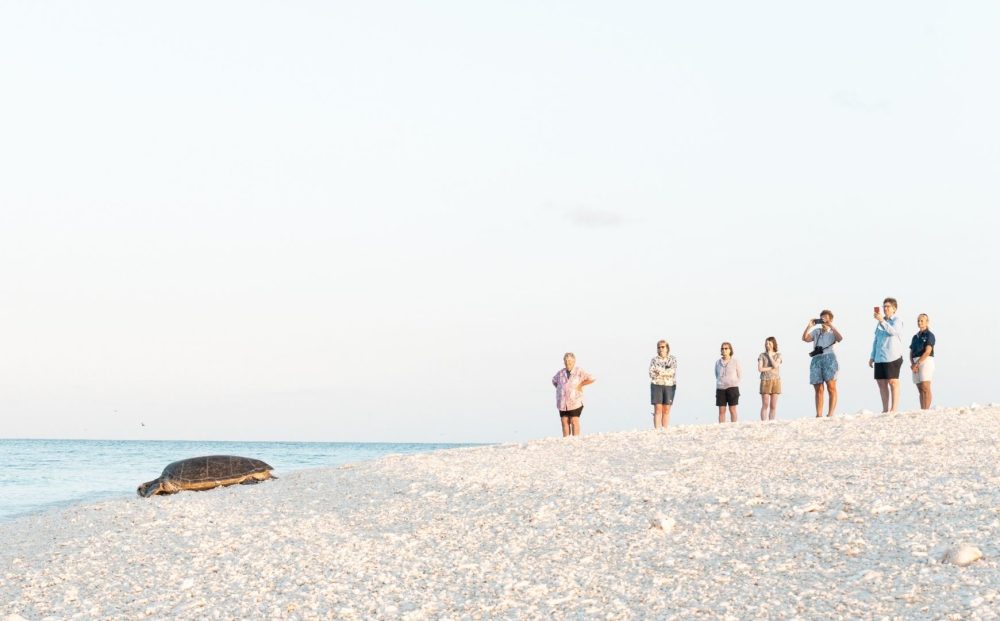
Six days across Heron and Wilson Islands in the southern Great Barrier Reef, with three nights at Heron Island for CoralWatch reef monitoring, a private University of Queensland Research Station tour, and guided turtle nesting or hatching walks (depending on season), then two nights at Wilson Island with a sunrise turtle walk and snorkelling the Wilson Bommie.
The tour takes the ferry from Gladstone to Heron Island (a two-hour crossing in the southern Great Barrier Reef) for three nights at Heron Island Resort. Day 4 transfers by boat to Wilson Island for two nights in glamping tents on a remote coral cay with no mobile reception and no Wi-Fi. The program is built around tide times and the daily schedule adjusts to conditions; all outdoor activities and boat transfers are weather dependent.
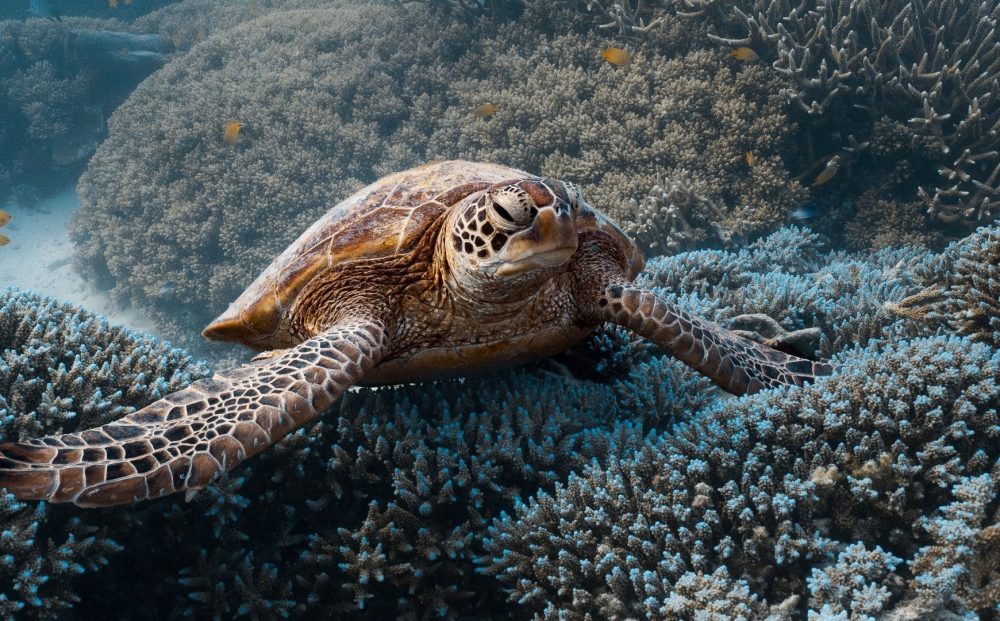
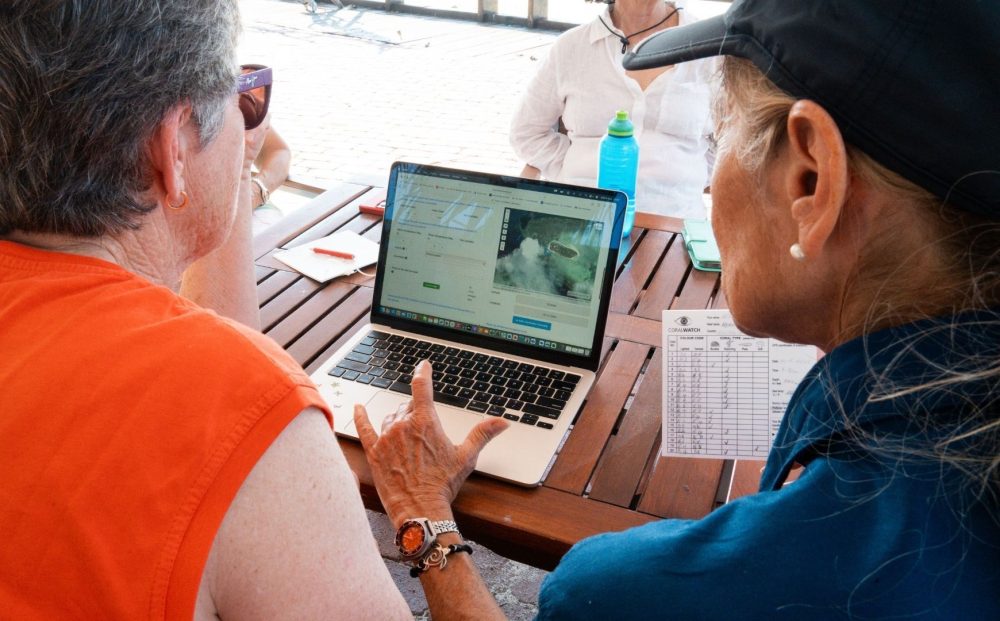
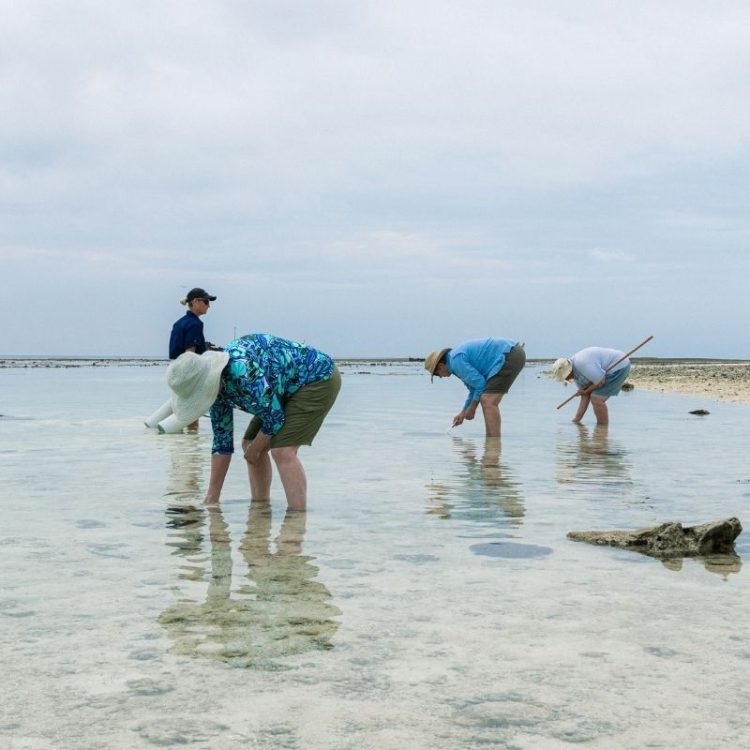
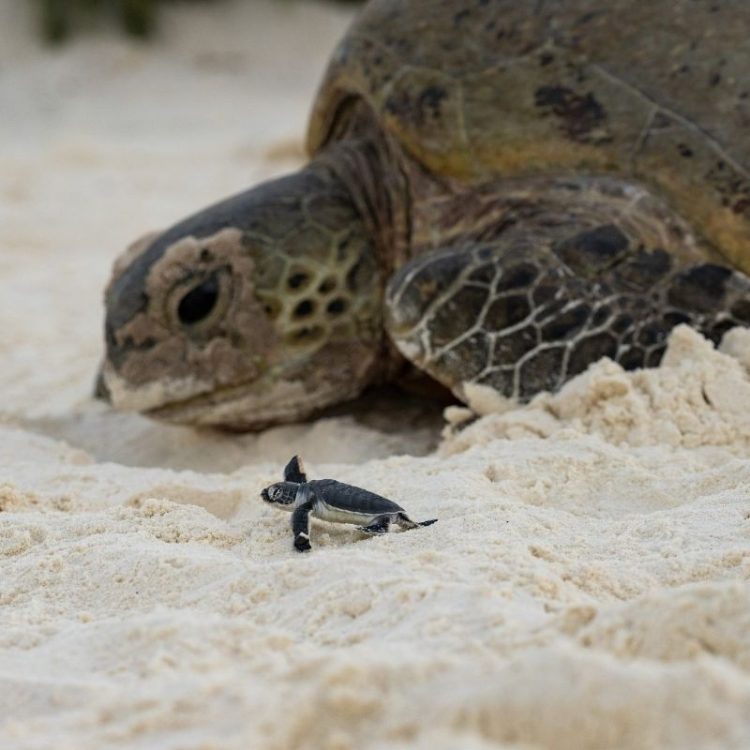
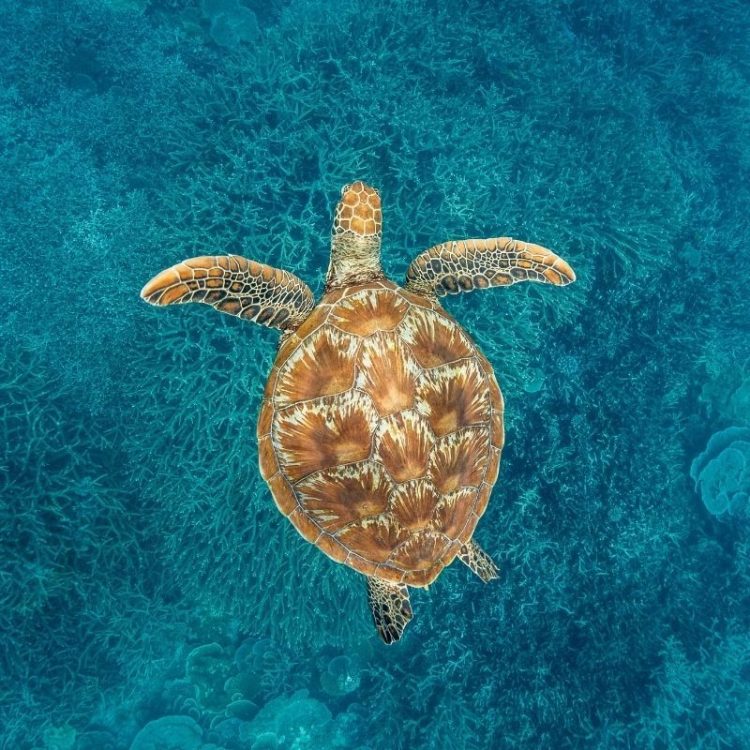
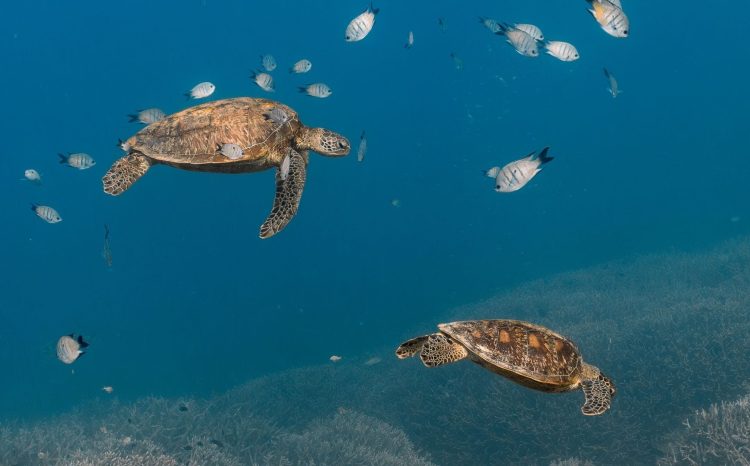
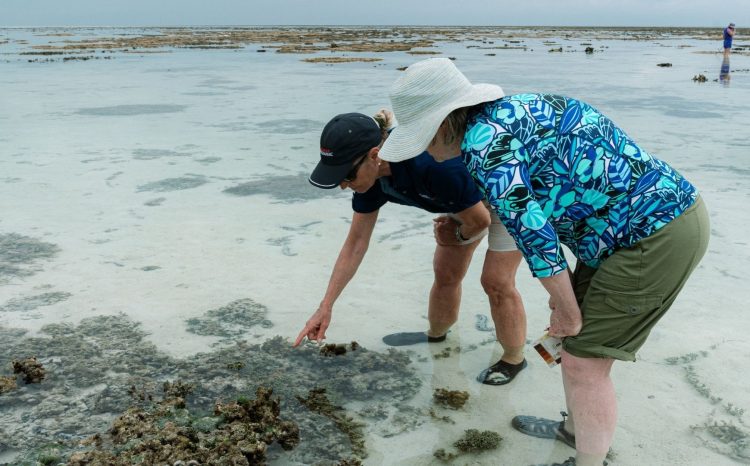
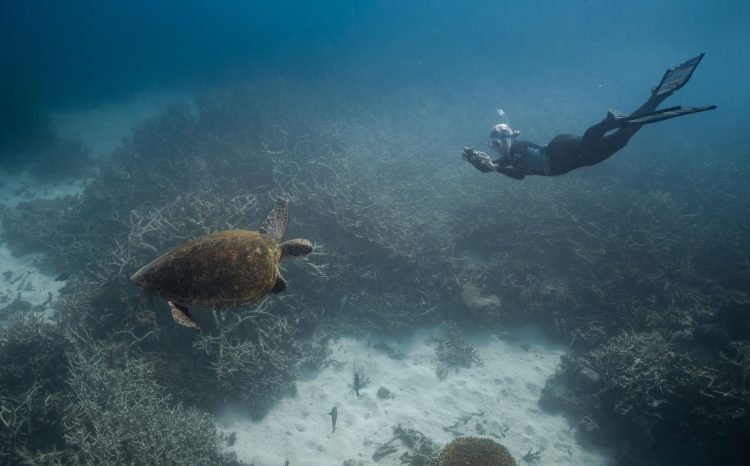
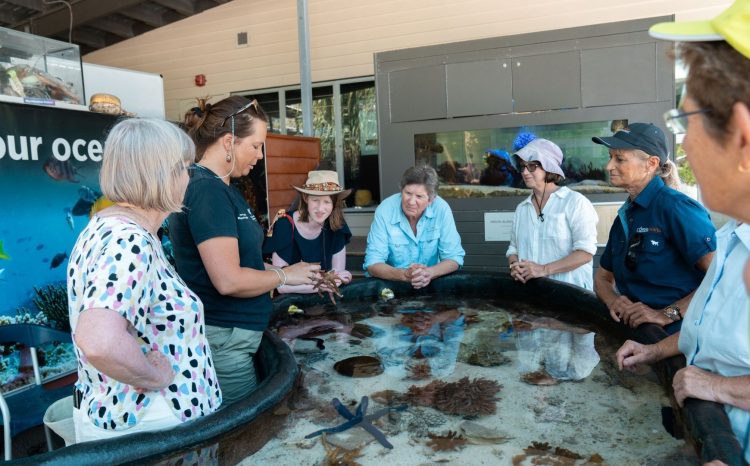
The conservation program at Heron Island covers two citizen science streams. CoralWatch uses the Coral Health Chart: a tool developed at the University of Queensland, to quantify changes in coral colour associated with bleaching; data collected on the reef walk is entered into a global monitoring database. Guided turtle nesting walks follow Heron Island’s nesting population of green turtles and loggerhead turtles, both listed as threatened species; nesting season runs from October to March. Wilson Island’s isolation and surrounding deeper waters mean its turtles often nest in the morning rather than at night.
For the April departure, the program will focus on the Turtle Hatching season.
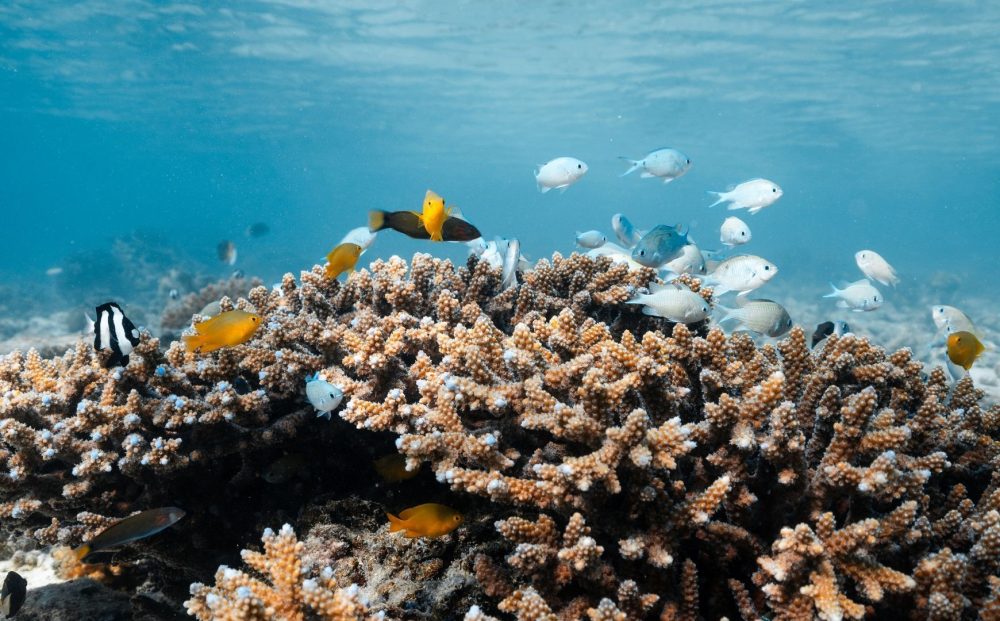
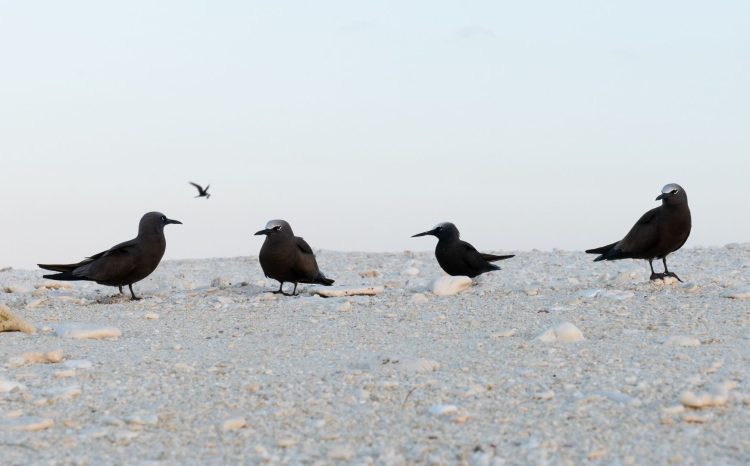
Heron Island is a National Marine Park in the southern Great Barrier Reef. The Heron Island Research Station has operated on the island since 1951 and currently runs research into coral resilience, fish behaviour and ecosystem monitoring. The Wilson Bommie (a coral formation 5m tall and 5m wide) grows at roughly one centimetre per year, putting it at around 500 years old. Both islands sit in a Marine Sanctuary Green Zone where fishing, collecting and touching any fauna or flora is prohibited. At peak nesting season, from October to June, the islands support up to 200,000 nesting seabirds; wedge-tailed shearwaters call from the Pisonia forest through the night.
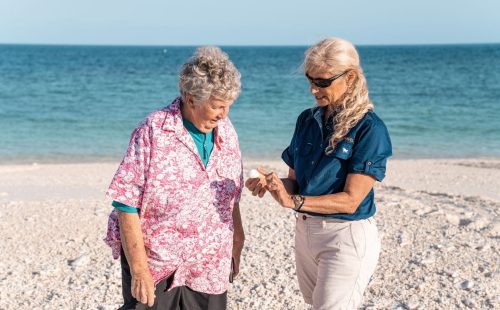
This tour is designed for travellers with a genuine interest in reef conservation and marine wildlife who are comfortable in the water and happy to engage with citizen science fieldwork. Snorkelling is a core part of the program, so participants should be comfortable in the water, though instruction and a swim check are provided before any in-water activities. The ferry from Gladstone takes approximately two hours and can be rough; sea sickness tablets are recommended if you are prone. Wilson Island has no medical services, no mobile reception and no Wi-Fi.
Day 1
Gladstone to Heron Island
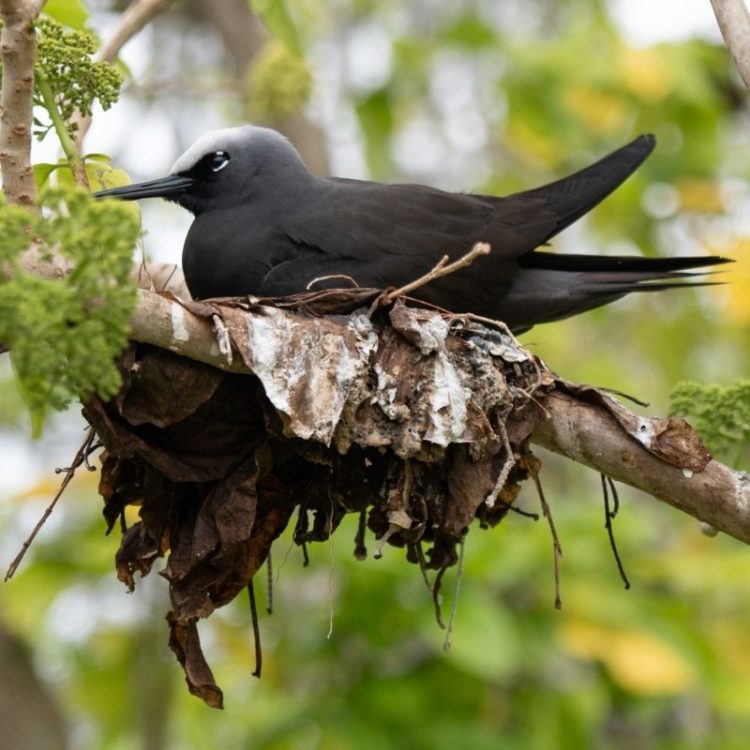
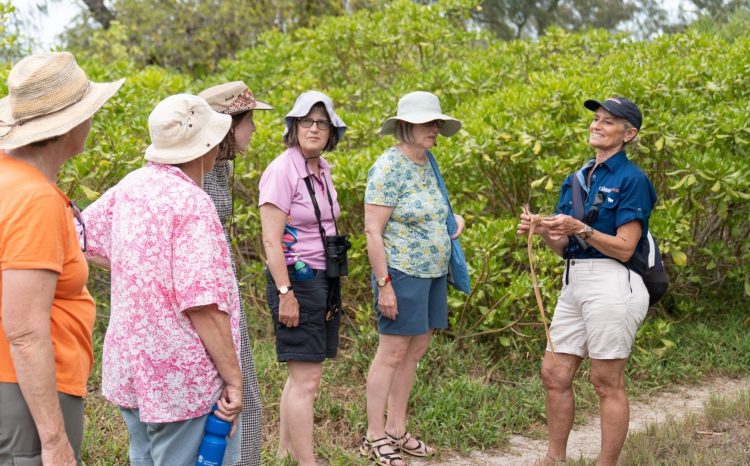
Check in at the Heron Island Ferry Terminal, Gladstone Visitor Information Building, by 8:30am. The ferry takes approximately two hours. On arrival at Heron Island, meet your guide on the jetty. After a welcome briefing and lunch, check in to your accommodation and collect your complimentary snorkel gear at the Marine Centre. The afternoon island walk takes the group through Pisonia Forest to Shark Bay, covering the formation of Heron Island as a vegetated coral cay, the plants that colonised it, the role of the seabird populations and the sea turtles that return to nest each season. Overnight: Heron Island Resort. Meals: L/D.
Day 2
CoralWatch, Reef Walk and Turtle Nesting Walk
Day 3
Boat Snorkel, Research Station and Data Entry
Day 4
Transfer to Wilson Island
Day 5
Sunrise Turtle Walk, Wilson Bommie and Bird Walk
Day 6
Farewell Wilson Island
Will we definitely see nesting turtles?
Do I need snorkelling experience?
What is the accommodation like on each island?
What is the luggage limit?
Should I be concerned about seasickness?
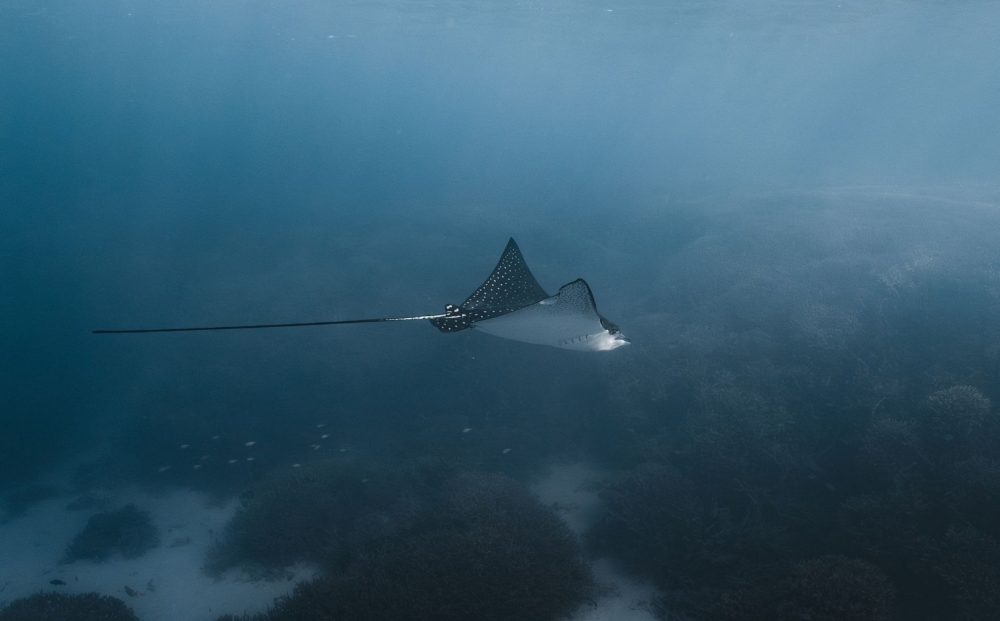
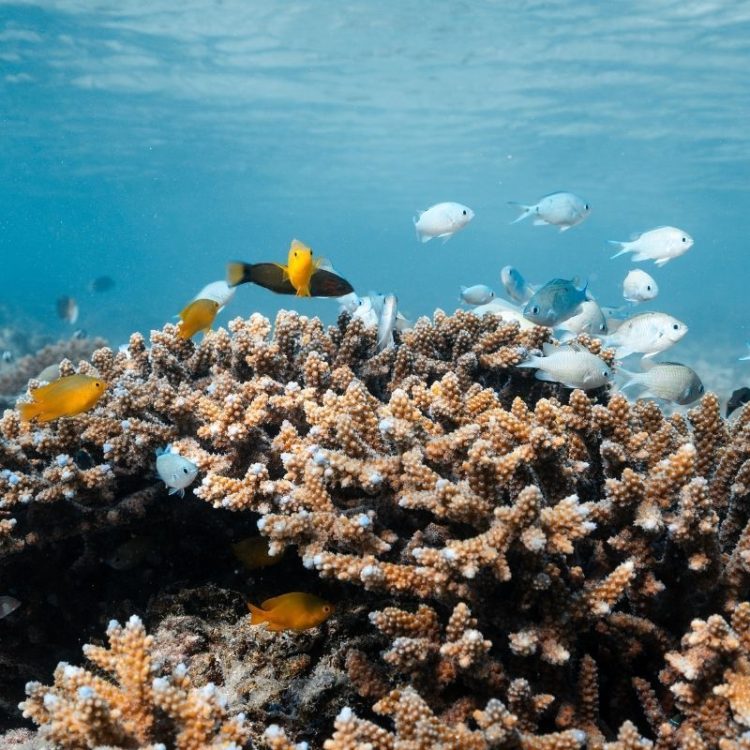
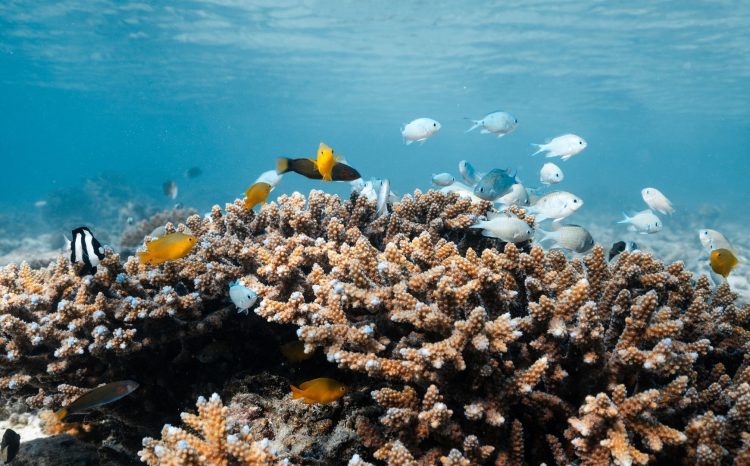
What marine life will we see?
What do I do if I have allergies or dietary restrictions?
Can I book a twin spot (half-twin share) if I am travelling on my own?
Can I book a private departure?

Tour Collection: Photography

Tour Collection: Photography

Tour Collection: Bird Watching

Tour Collection: Bird Watching

Tour Collection: Citizen Scientists

Tour Collection: History & Fossils
Tour Collection: Bird Watching
Tour Collection: Bird Watching
Tour Collection: Citizen Scientists
Tour Collection: History & Fossils

Tour Collection: Bird Watching

Tour Collection: Indigenous & Culture
Tour Collection: Photography

Tour Collection: Nature & Wildlife

Tour Collection: Bird Watching

Tour Collection: Photography
Tour Collection: Photography
Tour Collection: Bird Watching

Tour Collection: Nature & Wildlife
Tour Collection: Bird Watching

Tour Collection: Nature & Wildlife

Tour Collection: Women’s Only
Tour Collection: Photography
Tour Collection: Photography
Tour Collection: Photography

Tour Collection: Nature & Wildlife

Tour Collection: Nature & Wildlife

Tour Collection: Photography

Tour Collection: Bird Watching
Tour Collection: Photography

Tour Collection: Indigenous & Culture

Tour Collection: Exclusive Expeditions

Tour Collection: Nature & Wildlife

Tour Collection: Exclusive Expeditions

Tour Collection: Active Adventure
Tour Collection: Photography

Tour Collection: Nature & Wildlife

Tour Collection: Conservation & Citizen Science

Tour Collection: Nature & Wildlife

Tour Collection: Nature & Wildlife

Tour Collection: Nature & Wildlife
Tour Collection: Photography

Tour Collection: Bird Watching

Tour Collection: Nature & Wildlife
Tour Collection: Photography
Tour Collection: Photography
Tour Collection: Bird Watching
Tour Collection: Bird Watching