1300 241 141
Logo
  • Tour Collections
  • Destinations
  • Travel Blogs
  • About
    • About us
    • Conservation Travel
    • Our experts
    • Get in touch
  • Australian geographic
Logo
  • Tour Collections
  • Destinations
  • Travel Blogs
  • About
    • About us
    • Conservation Travel
    • Our experts
    • Get in touch
  • Australian geographic
Footer Logo1300 241 141

Australian Geographic acknowledges the First Nations people of Australia as traditional custodians, and pay our respects to Elders past and present, and their stories and journeys that have lead us to where we are today.

  • Contributes Image

Company

  • Tour Collections
  • Destinations
  • Be Inspired
  • About
    • About us
    • Our experts
    • Get in touch
  • Australian Geographic

Destinations

  • New South Wales
  • Northern Territory
  • Queensland
  • South Australia
  • Western Australia
  • Victoria
  • Tasmania
  • Australian External Territories

Contact Us

Contributes Image

Australian Geographic contributes 100% of its profits to the Australian Geographic Society, including its conservation and sustainability programs.

1300 241 141
Logo
  • Tour Collections
  • Destinations
  • Travel Blogs
  • About
    • About us
    • Conservation Travel
    • Our experts
    • Get in touch
  • Australian geographic
Logo
  • Tour Collections
  • Destinations
  • Travel Blogs
  • About
    • About us
    • Conservation Travel
    • Our experts
    • Get in touch
  • Australian geographic

Birding New Zealand - North Island

Book Now
Picture of carousel
Picture of carousel
Picture of carousel
Picture of carousel
Picture of carousel
Picture of carousel
Picture of carousel
Picture of carousel
Picture of carousel
  • Trip Type

    Bird Watching, Nature & Wildlife
  • Twin Share

    Maximum of two adults
    $ 6490
  • Single

    $ 7790
Book Now
Make a private tour

Make it a Private Tour

Tell us about your ideal private tour and we will make it happen!

dd-mm-yyyy
dd-mm-yyyy

Your privacy is important to us. We will only use your information to fulfill your request.

  • Book Now
Picture of the member

Oscar Thomas

Oscar Thomas is a birder, photographer, writer and tour guide based in Dunedin. Currently completing his Masters in Ecology, he also published the widely acclaimed ‘A Naturalist’s Guide to the Birds of New Zealand’ in 2023. He is passionate about bird photography and spends time on the open seas each year guiding for Heritage Expeditions and as a regular guest lecturer on Coral Expedition cruises. His passion and enthusiasm for all of New Zealand’s wildlife is evident to everyone who spends time with him.

Duration

10 Days

Group Size

7 Guests

Activity Level

Easy to Moderate

Book Now

About This Tour

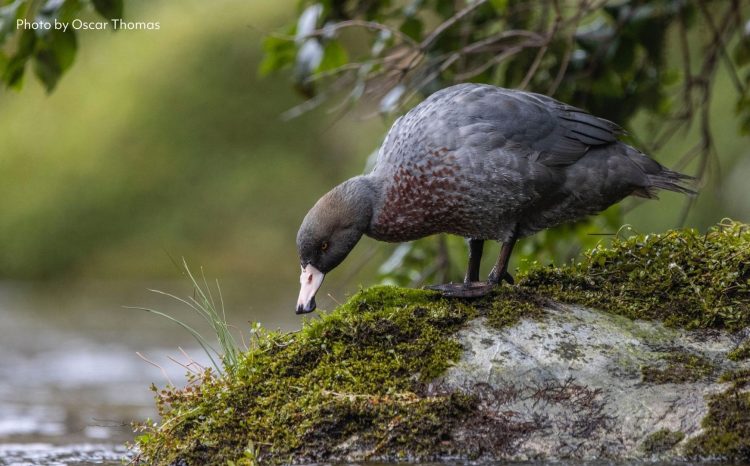
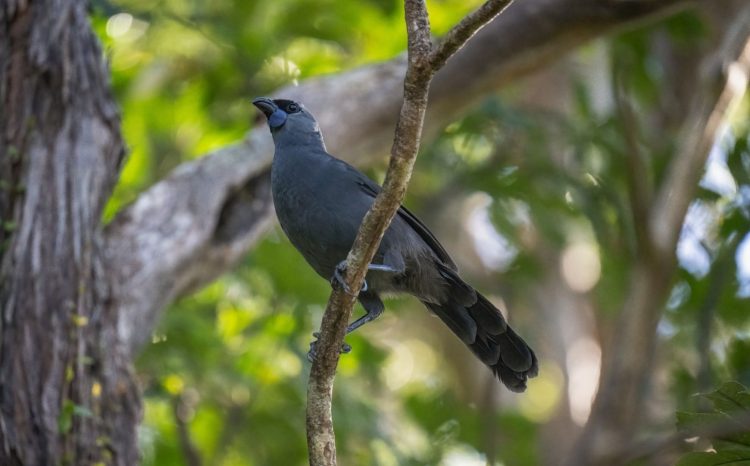
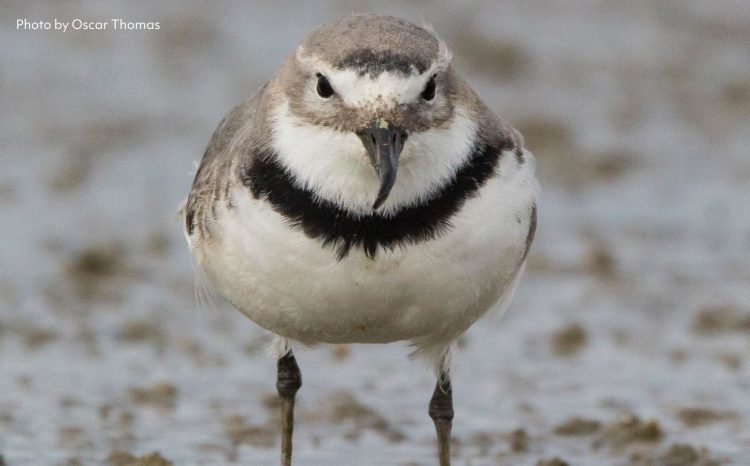
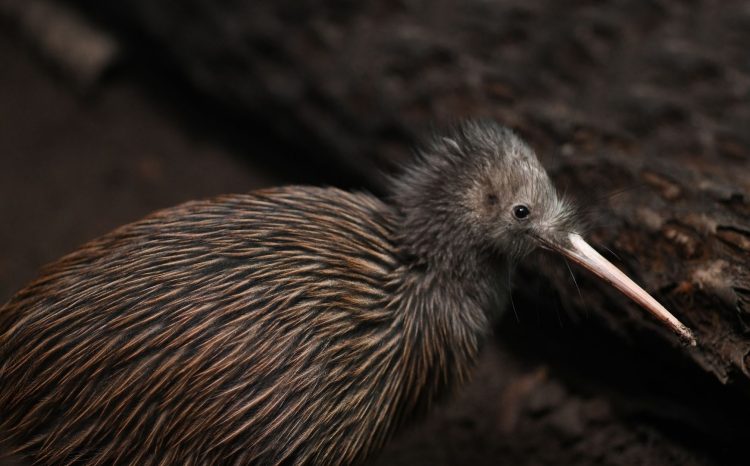
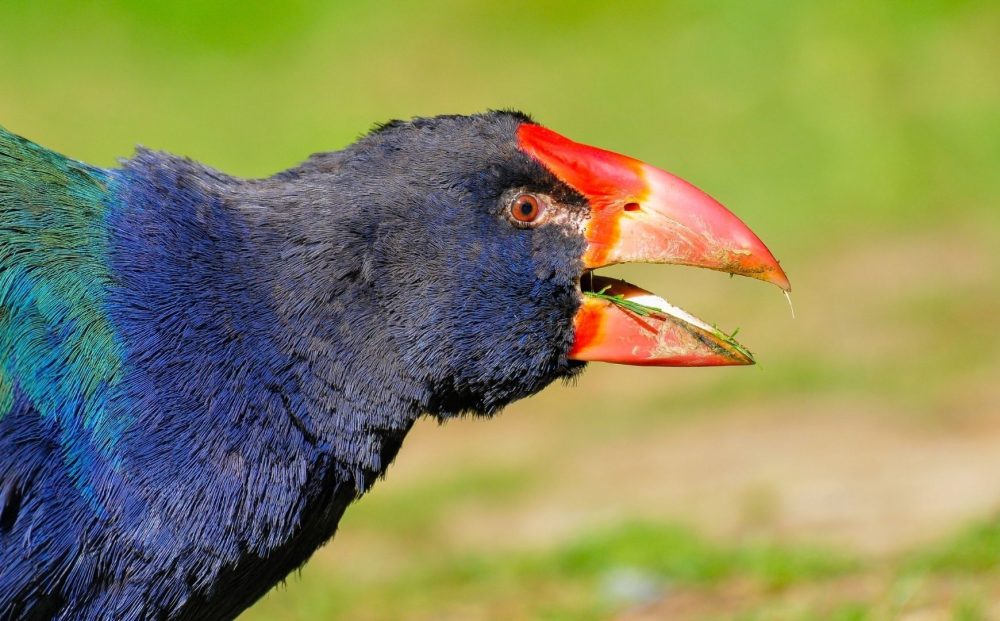
Explore the highlights of New Zealand’s North Island on this unforgettable birding adventure through diverse and spectacular landscapes. From coastal mudflats and native forests to alpine tussock, geothermal lakes, and predator-free islands, this tour offers exceptional variety and superb birding. Seek out iconic species, including North Island brown kiwi, takahē, kōkako, blue duck (whio), stitchbird, and the unique wrybill. Visits to renowned sanctuaries such as Tiritiri Matangi, Kapiti Island, and Zealandia provide outstanding close encounters and insight into world-leading conservation efforts. Scenic ferry crossings and volcanic backdrops complete this expertly guided North Island experience.

Who is this tour for?

This tour suits birders of all experience levels, from keen beginners to experienced twitchers seeking New Zealand endemics. Participants should be comfortable with early morning starts, walking on uneven terrain in forests and coastal areas, and spending extended periods outdoors in variable weather. A genuine interest in conservation and natural history enhances the experience.

Special Member Picture

Combine your tour

This North Island birding trip can be combined with our birding trip to the South Island. If you like to experience the best of both islands, please check out our South Island Birding trip. If you book both tours, the accommodation in Wellington is included.

View Itinerary

Highlights

  • Iconic New Zealand endemics – kiwi, takahē, kōkako & wrybill
  • Predator-free island sanctuaries – Tiritiri Matangi & Kapiti Island
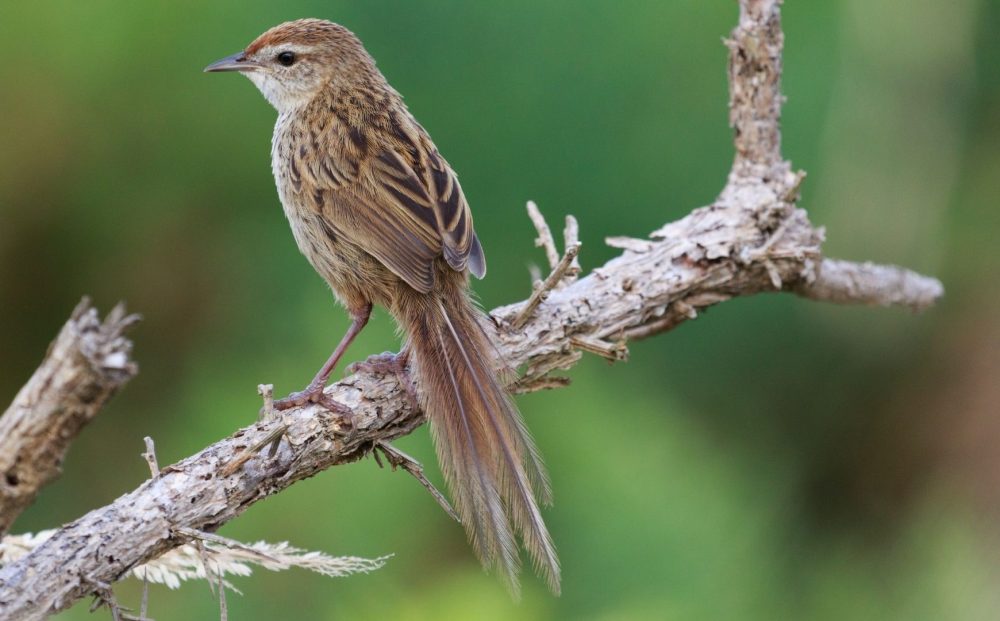
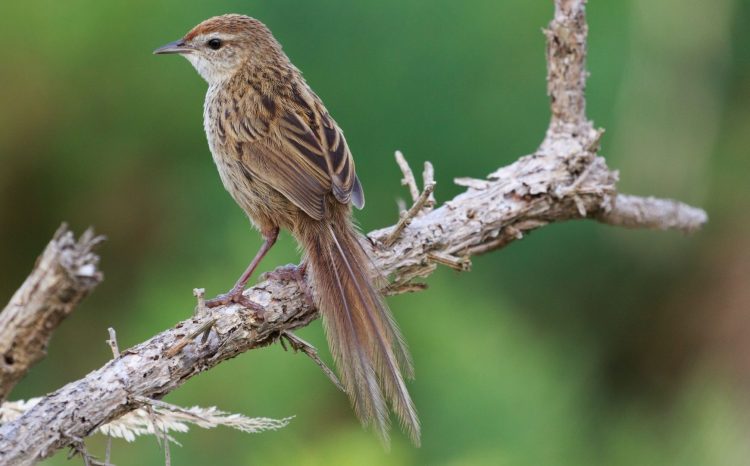
  • Rare and endangered species – blue duck, brown teal & fernbird
  • Outstanding shorebird sites – Auckland mudflats & Miranda
  • Pelagic birding by ferry – penguins, gannets & shearwaters
  • Exceptional habitat diversity – coast, forest, rivers & volcanoes
  • Conservation & scenery – Zealandia & Tongariro volcanoes

Included/Excluded

  • Included
  • Excluded
  • 9x nights accommodation in comfortable hotel/motels
  • 9x Breakfast, 9x Lunch, 9x Dinner
  • Comfortable transport on a 12-seater minibus
  • Led by a professional NZL Birding guide
  • Unlimited drinking water
  • Tiritiri Matangi ferry & Little Kapiti ferry
  • Entry fees
  • International or domestic flights
  • Drinks with meals other than water
  • Insurance
  • tips, personal spending

Itinerary

Day 1

Arrival in Auckland

Day 1 marks your arrival in Auckland. After checking into the hotel, you may attend a welcome meet-and-greet with your guide at 6:30 pm. Dinner is at your own expense. Overnight: Auckland.

Day 2

Auckland Mudflats & Nighttime Icons

Your guide will meet you in your hotel foyer at 6:30am, then join you for breakfast. From here, you will spend the day exploring Auckland’s surroundings, focusing on mudflats in search of the wrybill, paradise shelduck, and various waders. Travelling north, the day concludes near Snells Beach, looking for New Zealand plover, variable oystercatcher, and bar-tailed godwit. After dinner, enjoy an evening excursion north to search for North Island brown kiwi and South Island takahe. Driving time: 150km/2.5 hours. Overnight: Snells Beach.

Day 3

Forest Birds of the North

This morning, we explore the Warkworth area, searching for brown teal, New Zealand kaka, and tui. This marks the northernmost point of the tour, so extra time will be spent in the forests for New Zealand pigeon, grey gerygone, and New Zealand fantail. We stay near the harbour, preparing for tomorrow’s trip to Tiritiri Matangi. Driving time: 50km/45 minutes. Overnight: Orewa.

Day 4

Tiritiri Matangi: A Conservation Success Story

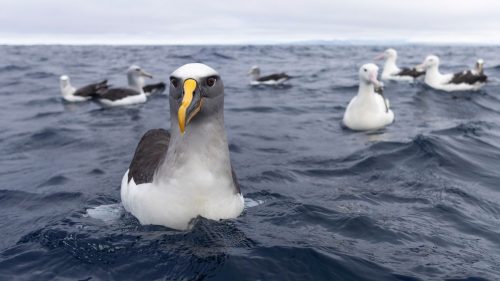
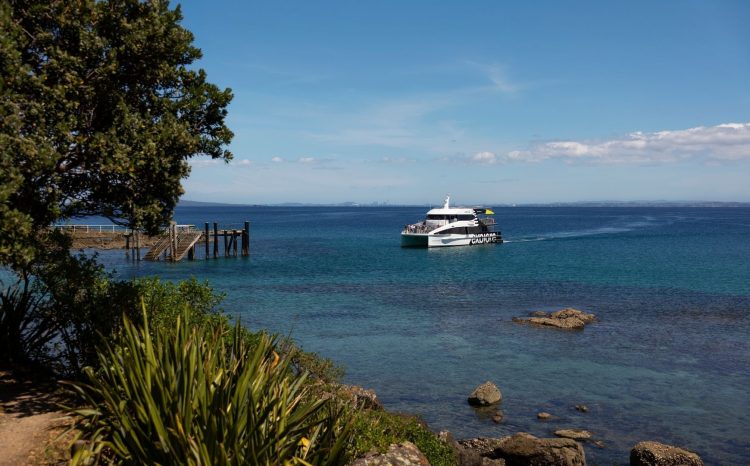
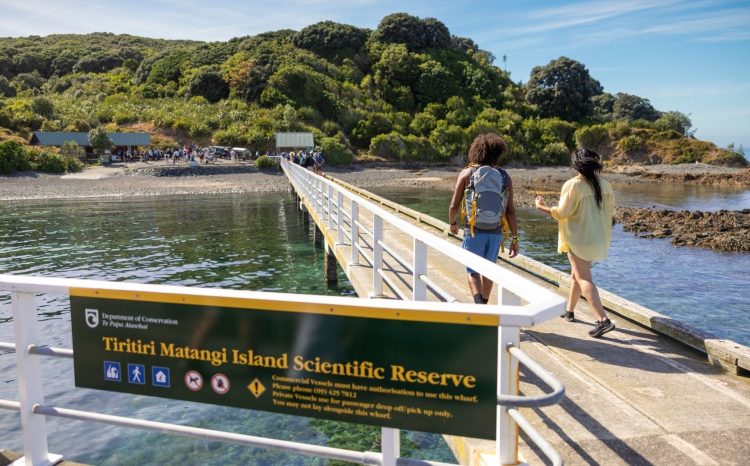
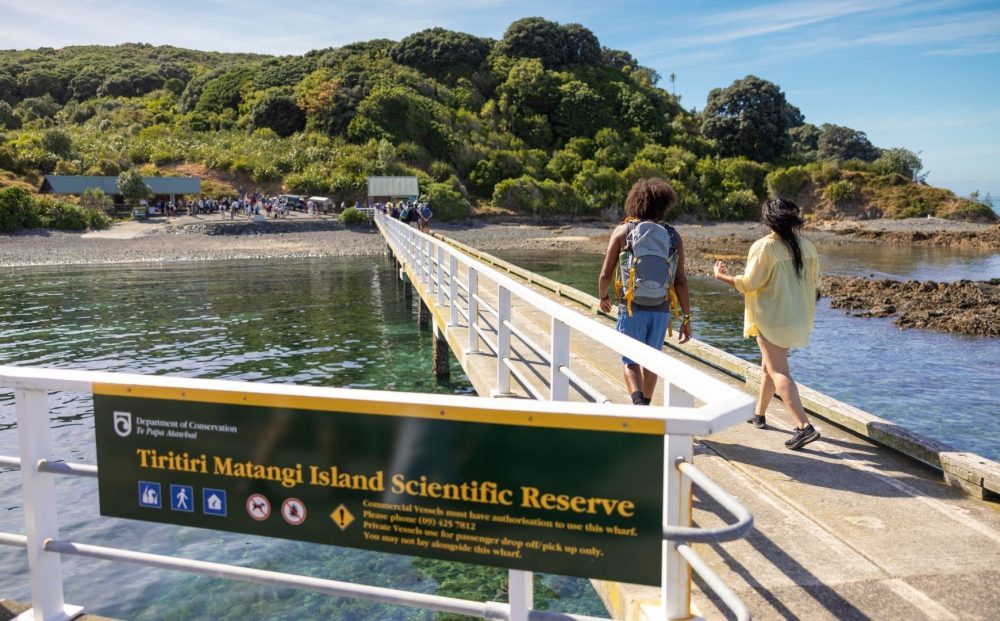
Today is a highlight, with a short ferry ride to the conservation island of Tiritiri Matangi. During the ferry, watch for little penguin, fluttering shearwater, and Australasian gannet, as well as possible rarer species like Buller’s shearwater. The rest of the day is dedicated to exploring the island's tracks and paths. Tiritiri Matangi has been an icon of New Zealand conservation since the 1980s and has helped conservation efforts for many species, including some that are very difficult to see on the mainland. During our time today, we will be looking for the red-crowned parakeet, kokako, New Zealand bellbird, and North Island saddleback. Another fascinating creature often found here is the giant weta, a large insect that can weigh more than a house sparrow. Arriving back on the mainland in the afternoon, we’ll return to our hotel. Driving time: 20km/30 minutes. Overnight: Orewa.

Day 5

Shorebirds & Geothermal Landscapes

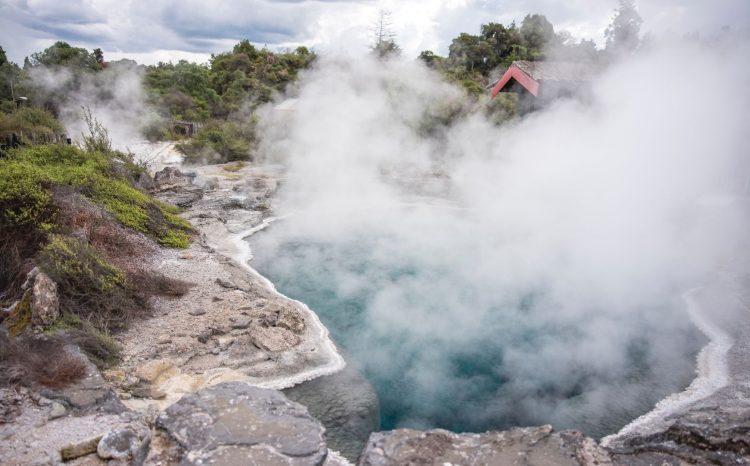
Today we drive for four hours, making several stops at excellent birding sites. At the Miranda Shorebird Centre, we expect to see double-banded plover, Pacific golden plover, kelp gull, royal spoonbill, and swamp harrier. Closer to Rotorua, we encounter introduced species such as dunnock, redpoll, mallard, and European greenfinch, as well as the endemic New Zealand scaup. Rotorua’s geothermal features await at day’s end, providing the option for a visit to thermal pools. Driving time: 300km/4 hours. Overnight: Rotorua.

Day 6

Lakes, Rivers & the Blue Duck

Rotorua itself is situated on the shoreline of Lake Rotorua, and we will spend a bit of time this morning exploring the lake with its Canada geese, great cormorant, little pied cormorant, little black cormorant and the endemic New Zealand grebe. Heading south towards Turangi, we’ll pass through the typical greenery of New Zealand farmland. Turangi is a small town with a population of under 4,000. It’s also home to the endangered blue duck, and we will spend the afternoon searching along the beautiful Tongariro River for this, as well as shining bronze cuckoo, silvereye, song thrush, California quail, and, if we’re lucky, one of New Zealand’s four species of raptors, the New Zealand falcon. Driving time: 150km/2 hours Overnight: Turangi

Day 7

Endemics of Forest & Lake

Spend the day exploring Turangi and its natural surroundings. The morning includes Pureora Forest Park, 150km away, seeking New Zealand kaka, yellow-fronted parakeet, North Island robin, and tomtit. The afternoon continues with the Lake Taupo shoreline for black-billed gull, Eurasian coot, sacred kingfisher, white-faced heron, and New Zealand fernbird. Driving time: 250km/4 hours. Overnight: Turangi.

Day 8

Volcanoes to the Coast

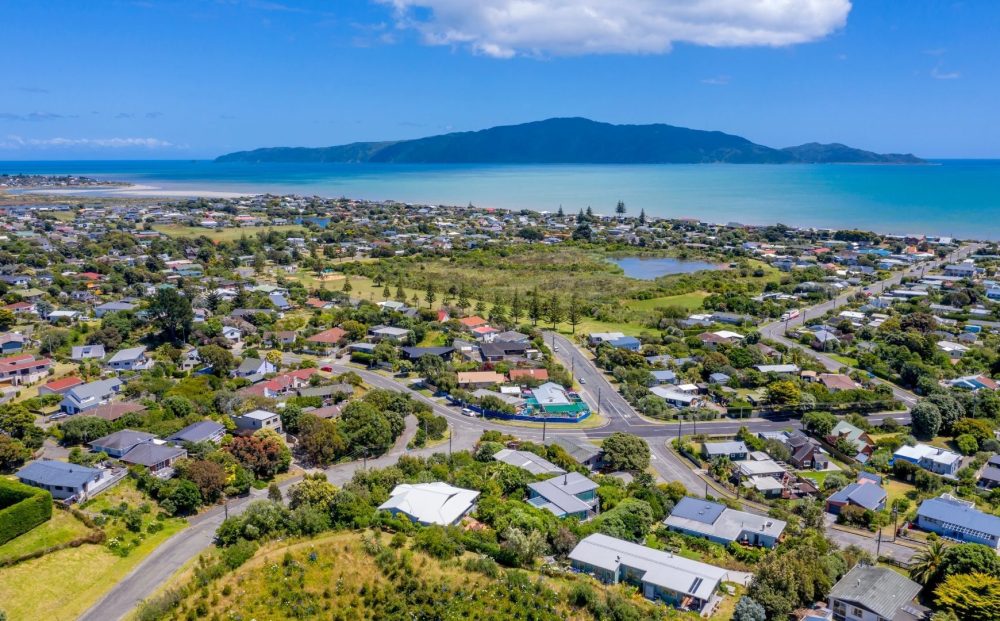
Heading south towards Waikanae for tomorrow’s Kapiti Island trip, passing the Desert Road and skirting Tongariro National Park. This region, with few trees and wide alpine tussock, offers views of Ruapehu, Ngauruhoe, and Tongariro volcanoes. The habitat attracts the New Zealand pipit and swamp harrier. Near Waikanae, explore the coastline and regional walks. Anticipated sightings include white-fronted tern, Caspian tern, red knot, black swan, yellowhammer, Eurasian chaffinch, South Island oystercatcher, and little tern. Driving time: 275km/3.5 hours. Overnight: Waikanae.

Day 9

Kapiti Island Sanctuary

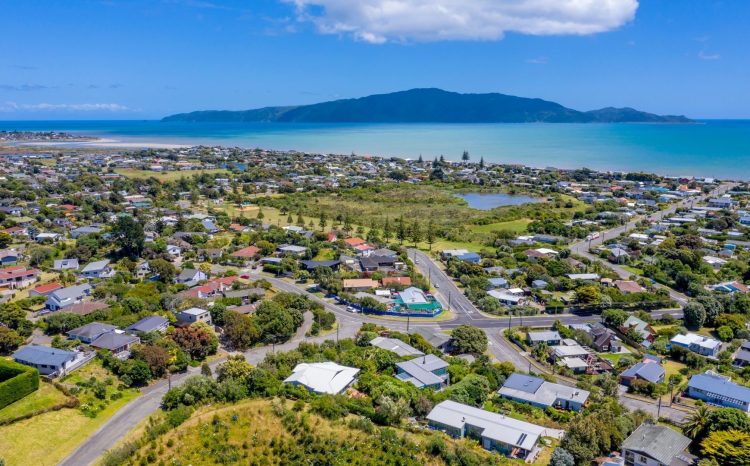
A full day on Kapiti Island begins with a 20-minute ferry ride from Waikanae. Similar bird species to those at Tiritiri Matangi can be observed, offering additional opportunities for observation and photography. The Rauoterangi Channel crossing may yield pelagic species such as parasitic jaeger, fluttering shearwater, and Buller’s shearwater. On the island, expect to find weka, stitchbird, and whitehead. Driving time: 5km/10 minutes. Overnight: Waikanae.

Day 10

Zealandia & Farewell from North Island New Zealand

On our final day of the North Island tour, we head south to Wellington, about an hour’s drive away. In Wellington, we’ll search for any shoreline species we have yet to see, including the Pacific reef egret. We will visit Zealandia, known for its stunning walks, suspension bridge, and wetland areas. Many of New Zealand’s famous birds are protected from predators within the fenced zone; those able to fly can come and go freely, while the fence keeps mammalian predators out. This conservation area lets us experience New Zealand as it was before predators arrived. It’s a fitting way to end our North Island tour. Driving time: 75km/1 hour. If you have also booked the South Island Birding Trip, your accommodation in Wellington is included. Otherwise, you can book an additional night at the Rydges Wellington with us, if needed.

Frequently Asked Questions

Do I need birding experience?

No previous birding experience required. The tour suits all levels, from enthusiastic beginners to experienced birders seeking New Zealand endemics.

What's the weather like in November and March/April?

November (spring) offers mild temperatures (15-22°C) with occasional showers and longer daylight. March/April (autumn) is similar, with stable weather (14-20°C). Layered clothing and a waterproof jacket are essential year-round.

How physically demanding is the tour?

Most walking is on maintained trails with some uneven terrain in forests and coastal areas. Reasonable fitness required for early starts and full days outdoors.

Are the island ferries suitable for those prone to seasickness?

Ferry crossings to Tiritiri Matangi (75 minutes) and Kapiti Island (20-30 minutes) are generally calm, though conditions vary. Seasickness medication is recommended if you’re prone to motion sickness.

What are my chances of seeing kiwi?

While no wildlife sighting is guaranteed, we visit proven locations with high success rates for North Island brown kiwi. The nocturnal excursion is specifically designed to maximise your chances.

Why is travel insurance mandatory?

New Zealand's remote locations and outdoor activities carry inherent risks. Comprehensive travel insurance covering medical emergencies, evacuation, and trip cancellation is required and must be provided as proof before departure.

Can I extend my stay in New Zealand?
Absolutely. Many participants extend their trip to explore the South Island or other North Island destinations. We're happy to assist with additional accommodation bookings and connecting tours.