
South Australia
Dark Sky Astrophotography
Tour Collection: Photography

10 Days
7 People
Easy to Moderate
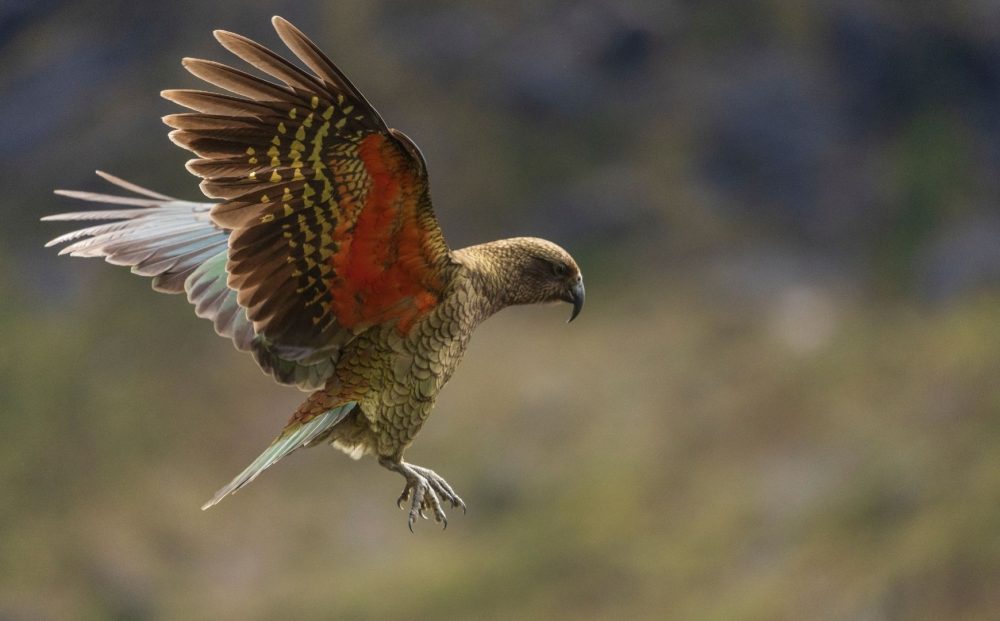
Ten days from Cook Strait to Stewart Island, from a Kaikōura pelagic and the world’s only wild population of New Zealand king shag to alpine kea, the Mackenzie Basin’s kakī, and kiwi walks on Rakiura.
South Island Birding: Toroa to Kea is a ten-day guided birdwatching tour across New Zealand’s South Island, from Wellington to Invercargill. It takes in a Kaikōura pelagic, the Marlborough Sounds, Arthur’s Pass, the Mackenzie Basin and Stewart Island/Rakiura, with a maximum of seven guests.
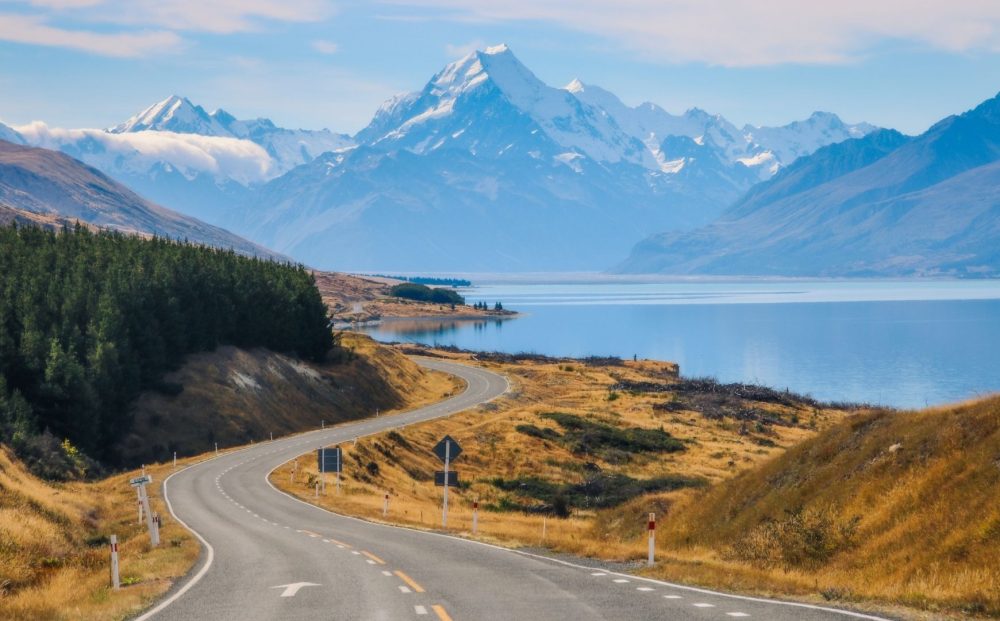
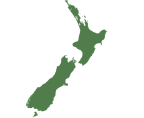
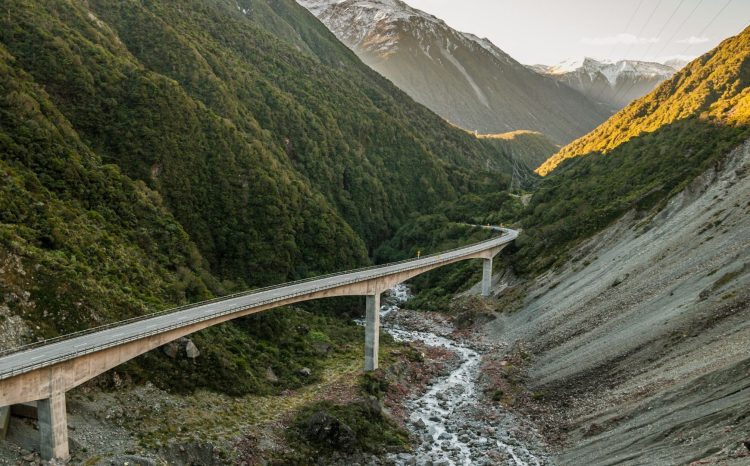
The route runs the length of the South Island: an Interislander ferry across Cook Strait to Picton, the coast road south to Kaikōura, inland and up over Arthur’s Pass, south again through the Mackenzie Basin to Twizel, and on through Queenstown and Invercargill to Bluff, where a ferry crosses Foveaux Strait to Stewart Island/Rakiura for the final three nights. Travel is by 12-seater minibus, with the Interislander, a Kaikōura pelagic boat, and ferries to Blumine Island/Oruawairua, Foveaux Strait and Ulva Island/Te Wharawhara built into the route.
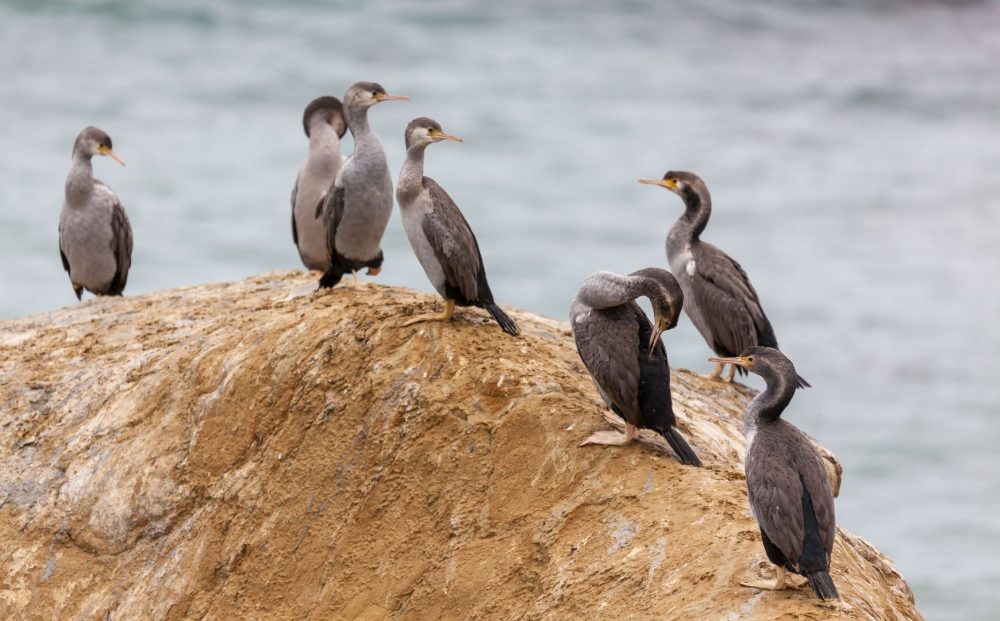
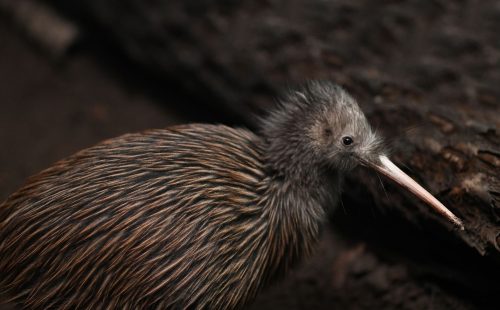
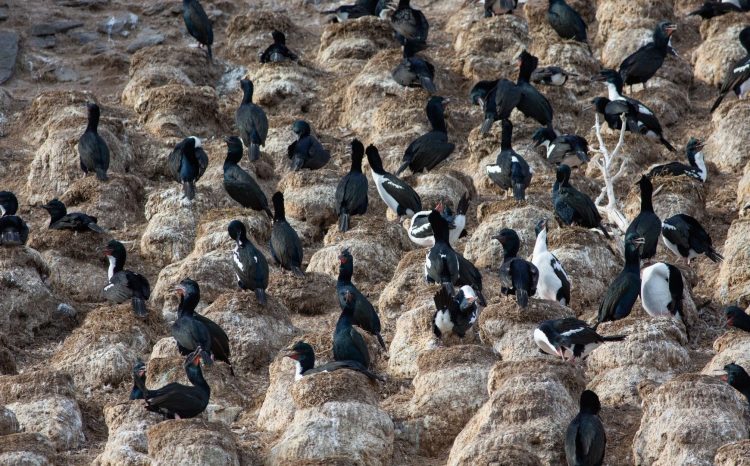
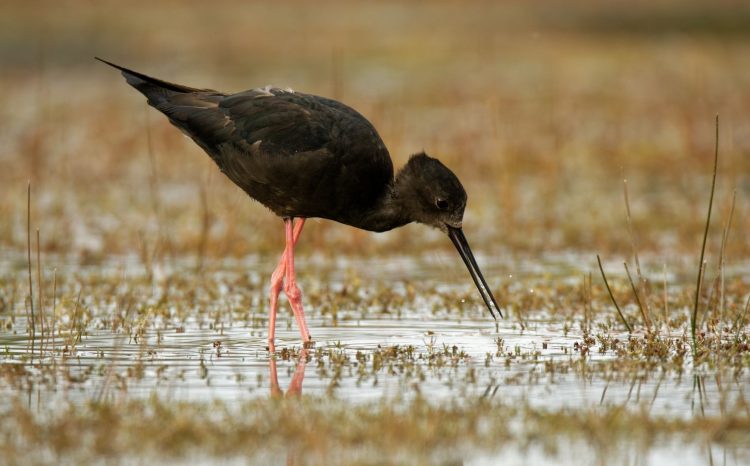
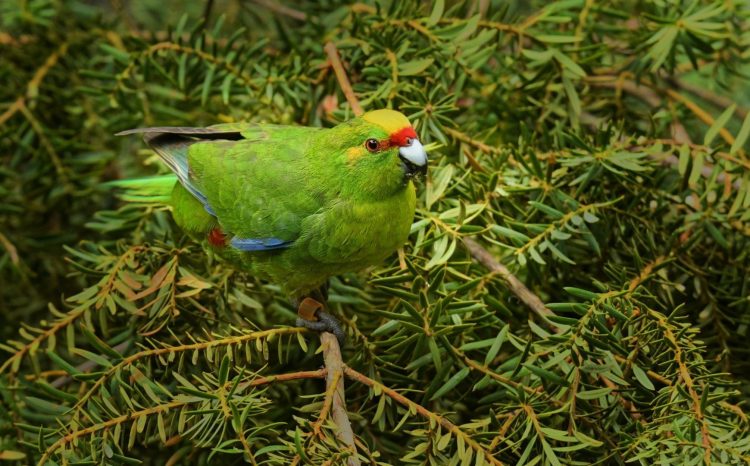
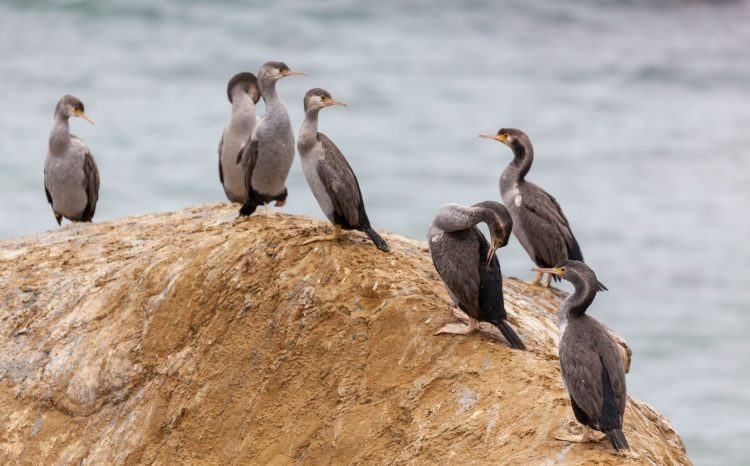
The tour is built around a run of species found nowhere else. New Zealand king shag breeds only in the Marlborough Sounds, in a population DOC put at 646 in its most recent census; Blumine Island/Oruawairua carries part of the wild population of orange-fronted parakeet, a bird declared extinct twice (in 1919 and again in 1965) before being rediscovered in the wild in the late 1980s. Kakī, the black stilt, dropped to 23 birds in 1981 and is still managed from a Department of Conservation recovery programme based at Twizel. Stewart Island/Rakiura carries the country’s largest kiwi population by number, and Ulva Island/Te Wharawhara, predator-free since the 1990s, is one of the few places left where a New Zealand forest sounds the way it did before introduced mammals arrived.
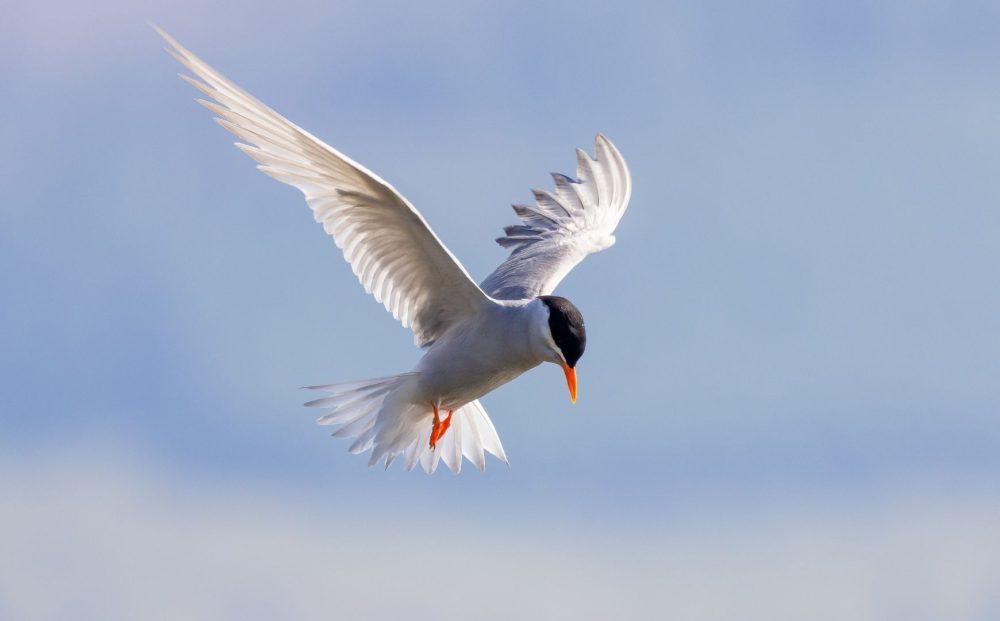
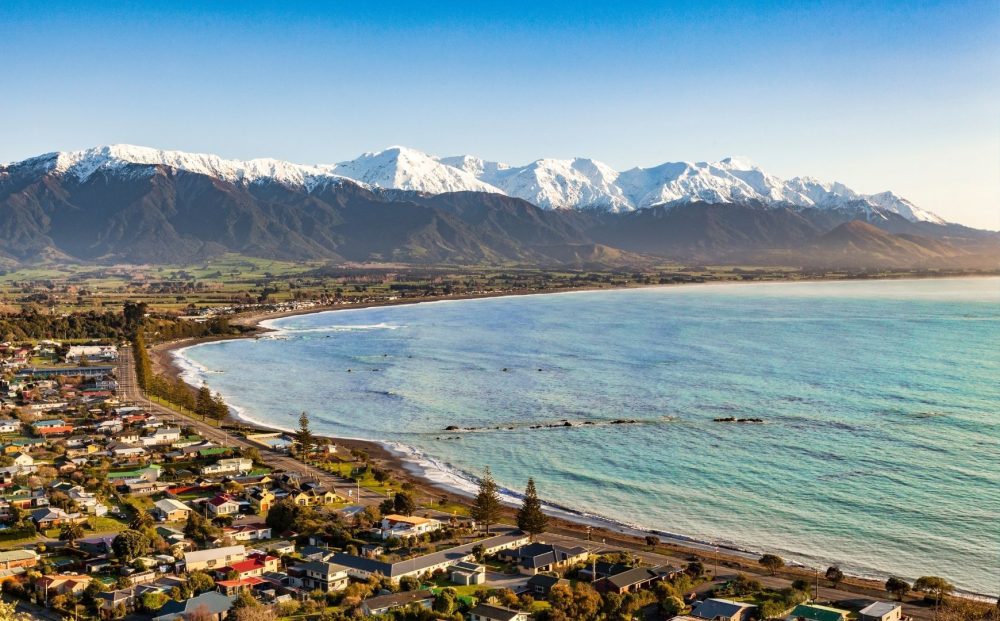
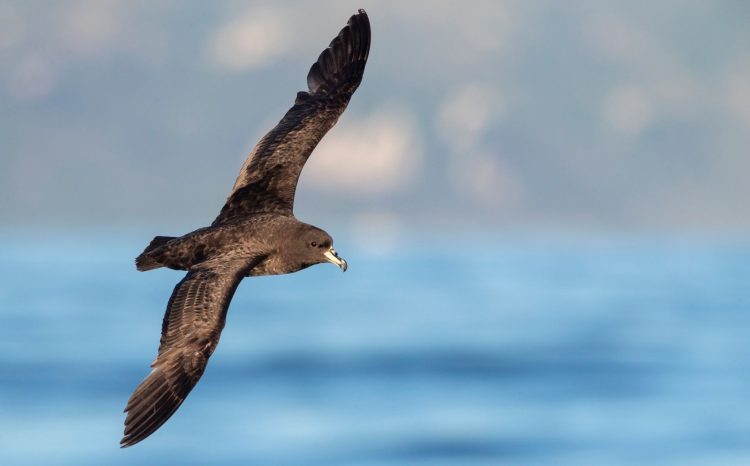
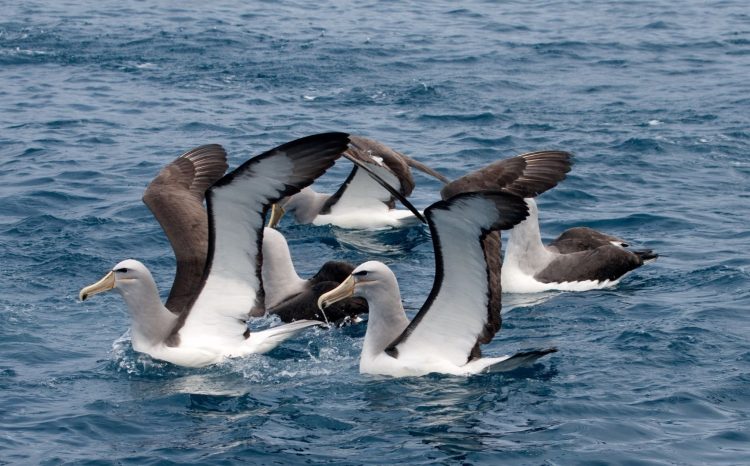
The Kaikōura pelagic works because of geography most visitors never see: the Kaikōura Canyon comes to within about a kilometre of the coast in places, dropping from around 30m to over 2,000m, and it sits where the cold, nutrient-rich Southland Current meets the warmer East Cape Current. That convergence concentrates albatrosses and petrels close enough to shore to reach by boat in under an hour – Albatross Encounter, the operator running the trips, records five species of great albatross and as many as 14 species of petrel in the area. 200km south, the Mackenzie Basin’s braided rivers do the opposite: wide, shallow, unstable gravel beds that kakī and black-fronted tern need and almost nothing else can use, which is exactly why both are so rare.
You can combine this birding trip with our birding trip to New Zealand's North Island, which runs before the South Island Birding Trip. If you'd like to experience the best of both islands, please check out our North Island Birding trip. If you book both trips, your Wellington accommodation is included.
Built for birders and paced accordingly: the Kaikōura pelagic, the alpine walks at Arthur’s Pass, and the kiwi night walks on Stewart Island/Rakiura all run to give you the best chance of a sighting. Photographers do well on the pelagic and at Ulva Island/Te Wharawhara, where the birdlife is unusually confiding because the island has been predator-free for decades. Non-birding companions are welcome but should know the itinerary is built around the birds first.
Day 1
Picton and the Marlborough Sounds
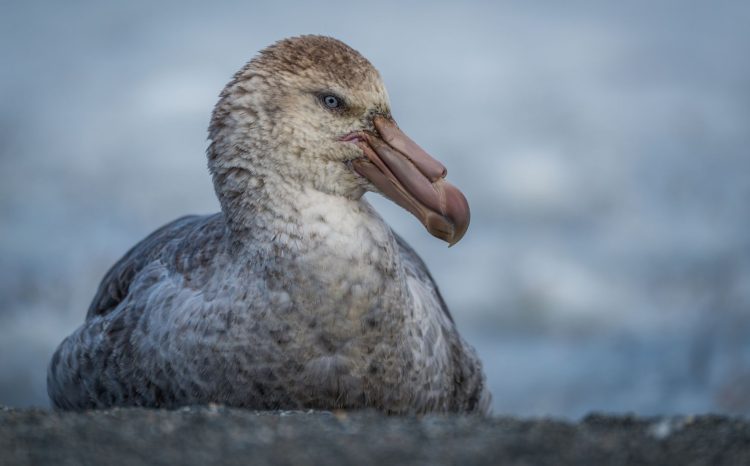
The Interislander ferry crosses Cook Strait from Wellington to Picton, about three and a half hours, with pelagic species possible from the deck: shy and black-browed albatross, northern giant petrel and fairy prion have all been recorded on the crossing. Once through Tory Channel, the ferry runs the length of the Marlborough Sounds, where spotted shag and, with luck, New Zealand king shag are both possible.
In the afternoon, a boat crosses to Blumine Island/Oruawairua for the orange-fronted parakeet, a species declared extinct twice, in 1919 and 1965, before being rediscovered wild in the late 1980s; 40 birds were translocated to the island as recently as 2024 to strengthen its genetics.
Overnight: Picton.
Meals: B/L/D.
Day 2
Picton to Kaikōura
Day 3
Kaikōura Pelagic
Day 4
Arthur’s Pass
Day 5
Arthur’s Pass exploration
Day 6
Twizel and the braided rivers
Day 7
Travel to Invercargill
Day 8
Stewart Island/Rakiura
Day 9
Ulva Island/Te Wharawhara
Day 10
Return to the mainland
Why is travel insurance compulsory on this tour?
How do I get to Wellington, and how does the tour end?
Is there a recommended flight at the end of the tour?
What is the level of physical activity?
Is this tour suitable for non-birders?
What's special about the Kaikoura pelagic?
What birds can we expect to see?
Can this be combined with the North Island tour?
Can I book a twin spot (half-twin share) if I am travelling on my own?
Can I book a private departure?

Tour Collection: Photography

Tour Collection: Nature & Wildlife

Tour Collection: Photography

Tour Collection: Nature & Wildlife
Tour Collection: Bird Watching

Tour Collection: Bird Watching
Tour Collection: Nature & Wildlife
Tour Collection: Bird Watching

Tour Collection: Indigenous & Culture

Tour Collection: Exclusive Expeditions

Tour Collection: Exclusive Expeditions

Tour Collection: Active Adventure
Tour Collection: Nature & Wildlife

Tour Collection: Nature & Wildlife
Tour Collection: Bird Watching

Tour Collection: Women’s Only
Tour Collection: Photography
Tour Collection: Photography
Tour Collection: Photography
Tour Collection: Nature & Wildlife
Tour Collection: Photography
Tour Collection: Nature & Wildlife
Tour Collection: Bird Watching
Tour Collection: Bird Watching

Tour Collection: Nature & Wildlife

Tour Collection: Nature & Wildlife

Tour Collection: Conservation & Citizen Science

Tour Collection: Nature & Wildlife

Tour Collection: Nature & Wildlife
Tour Collection: Photography
Tour Collection: Photography

Tour Collection: Photography

Tour Collection: Nature & Wildlife

Tour Collection: Nature & Wildlife

Tour Collection: Bird Watching
Tour Collection: Nature & Wildlife

Tour Collection: Bird Watching

Tour Collection: Nature & Wildlife
Tour Collection: Photography
Tour Collection: Nature & Wildlife
Tour Collection: Photography
Tour Collection: Nature & Wildlife
Tour Collection: Bird Watching
Tour Collection: Bird Watching

Tour Collection: Citizen Scientists

Tour Collection: History & Fossils

Tour Collection: Bird Watching

Tour Collection: History & Fossils
Tour Collection: Photography

Tour Collection: Photography

Tour Collection: Nature & Wildlife

Tour Collection: Bird Watching
Tour Collection: Photography
Tour Collection: Nature & Wildlife