
South Australia
Flinders Ranges Photography Safari
Tour Collection: Photography

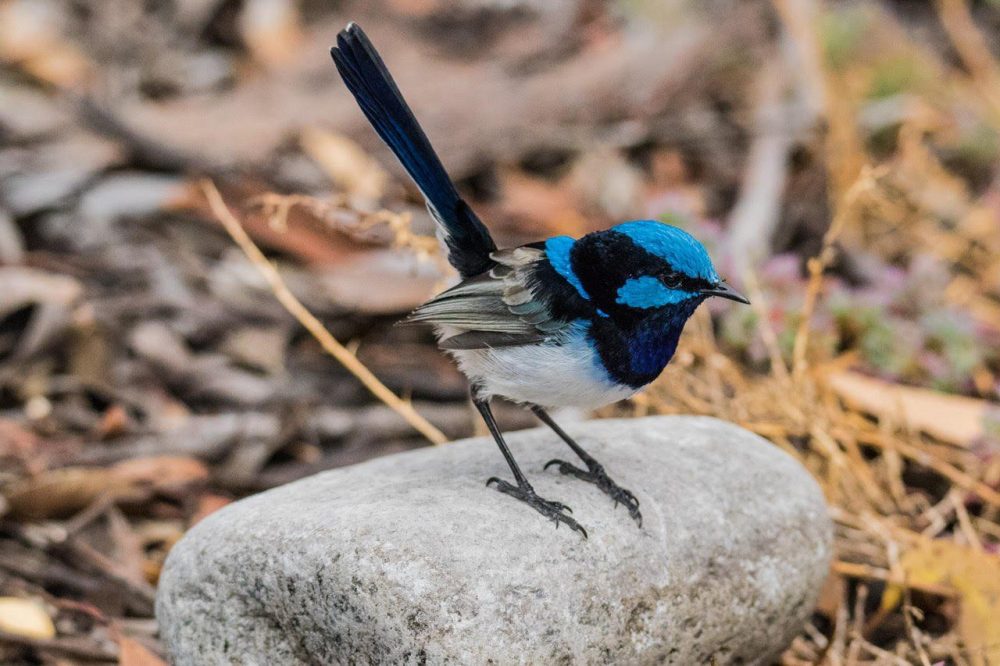

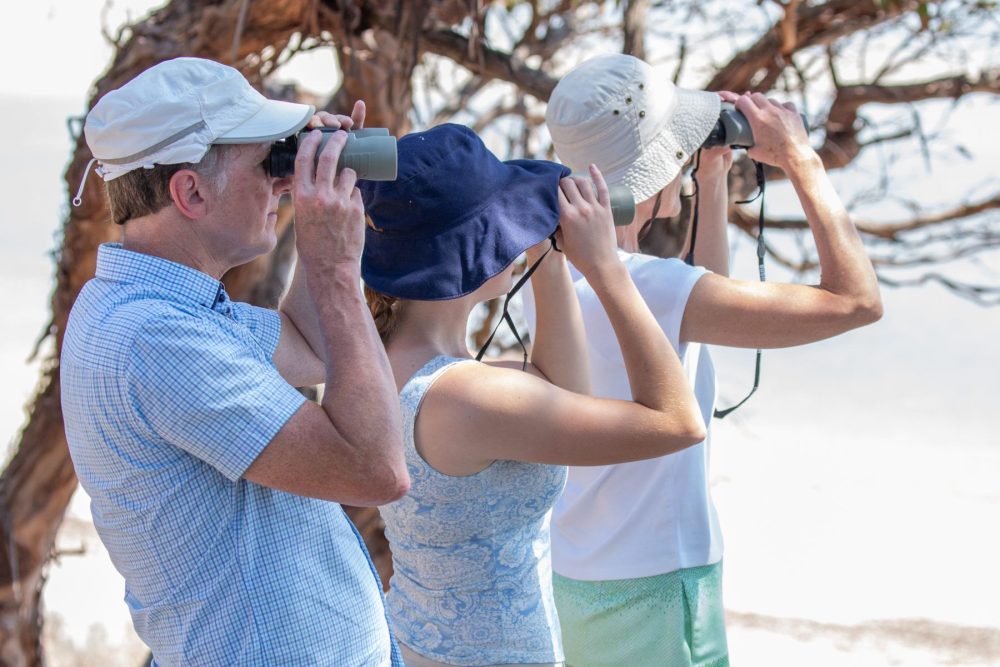
John had a lifelong passion & interest in birdlife on the Eyre Peninsula. Since he was a little boy he loved observing how birds adapt and thrive in unique landscapes, bushland, and terrain. By listening, he gains insights into how different species interact and survive. Especially birds of prey have fascinated John since childhood, a fascination he now shares with his grandchildren and the stories of his encounters are truly remarkable. Be entertained by his stories, his history and his knowledge.
3 Days
4 People
Easy to Moderate
Three days birding the southern Eyre Peninsula from Port Lincoln.
The tour is based in Port Lincoln, at the southern tip of the Eyre Peninsula, and works outward in three directions. South into Lincoln National Park, where granite headlands, coastal heath and the Sleaford–Wanna dunes run down to the Southern Ocean on one side and Boston Bay on the other, and inland to the manna gums at Mikkira Station. North-east up the Spencer Gulf coast to the tidal flats and mangrove estuary at Second Creek, then into the conservation parks and river country behind the coast. West to Coffin Bay, a peninsula of ancient cemented dunes and limestone cliffs. Two nights are at the Port Lincoln Hotel in an ocean-view balcony room. Transport is a four-wheel drive, and the walking is short, flat and optional throughout.
The bird the tour is built around is the Eyre Peninsula southern emu-wren, Stipiturus malachurus parimeda, an endemic subspecies reduced to about 750 mature individuals across eleven isolated subpopulations and listed vulnerable under the EPBC Act. It lives in dense low heath and mallee thicket, and the route passes three places it is known from: Lincoln National Park, Coffin Bay National Park and the conservation parks behind Wanilla. Wildfire is what threatens it — the 2005 fires wiped out several subpopulations outright. Around it sit the other regional specialties: copperback quail-thrush, split from the chestnut quail-thrush as a separate species in 2015; rock parrot on the coastal dunes; blue-breasted fairy-wren and purple-gaped honeyeater in the mallee; southern scrub-robin; and the Australian ringneck of the race that gave the Port Lincoln parrot its name. Avibase lists 172 species for Lincoln National Park and 151 for Coffin Bay.
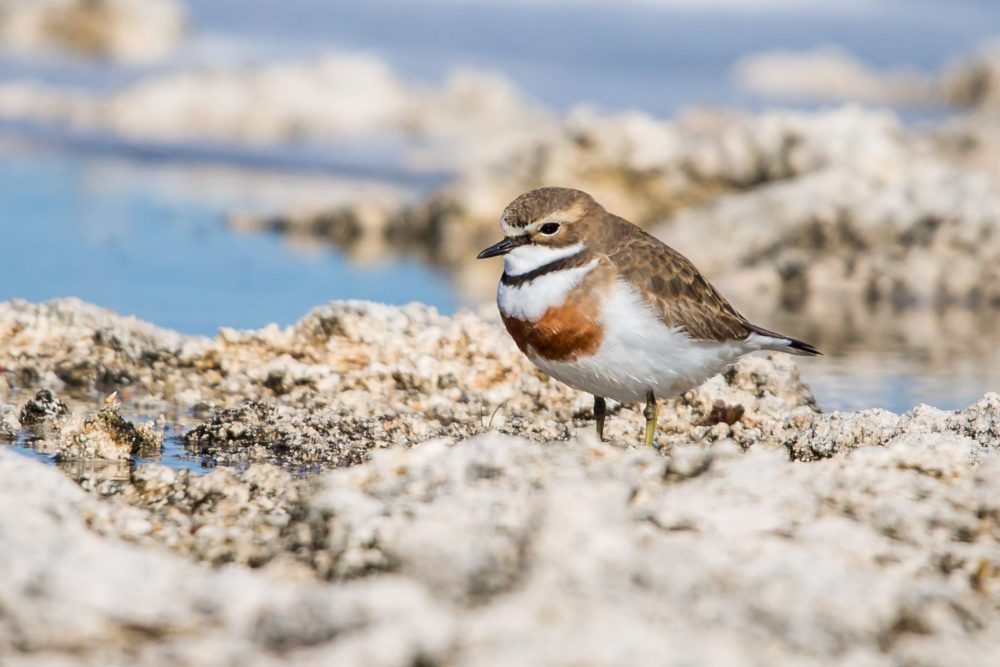
Coffin Bay National Park is a designated Important Bird Area, and the reason is oystercatchers: the park and its waters hold more than one per cent of the world populations of both pied and sooty oystercatchers. The hooded plover is the coast's other conservation story. The 2024 national count found 1,642 birds, roughly 55 per cent of the world population of the eastern subspecies; South Australia held 892 of them and the Eyre Peninsula 226. They nest in a scrape in open sand above the tideline and lose eggs to gulls, foxes, vehicles and storm tides. The raptors are worse off. South Australia had 58 occupied osprey territories in 2008–10 and 43 by 2015–17, a 26 per cent decline, with just five occupied territories across the whole of the Yorke and Eyre peninsulas at last count. White-bellied sea-eagles have fallen from at least 124 pairs historically to about 73.
Day 1
Lincoln National Park and the Mikkira koalas
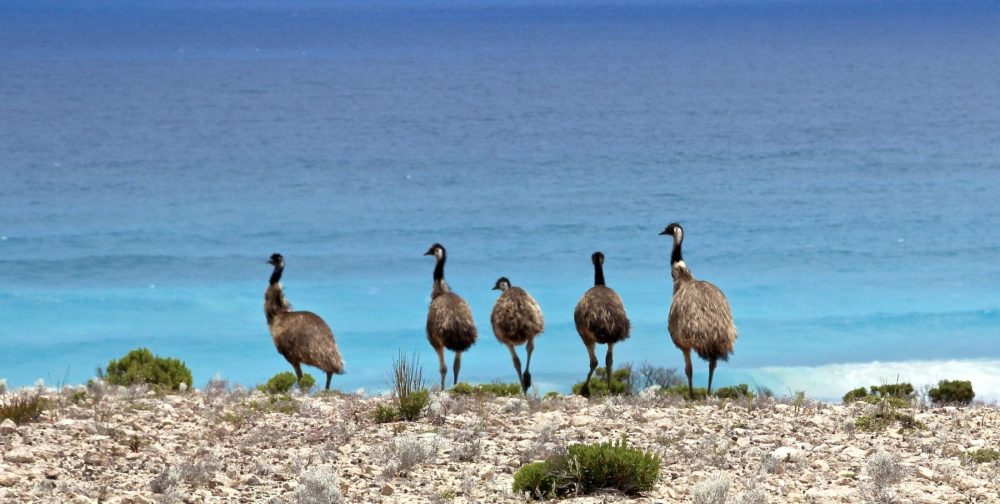
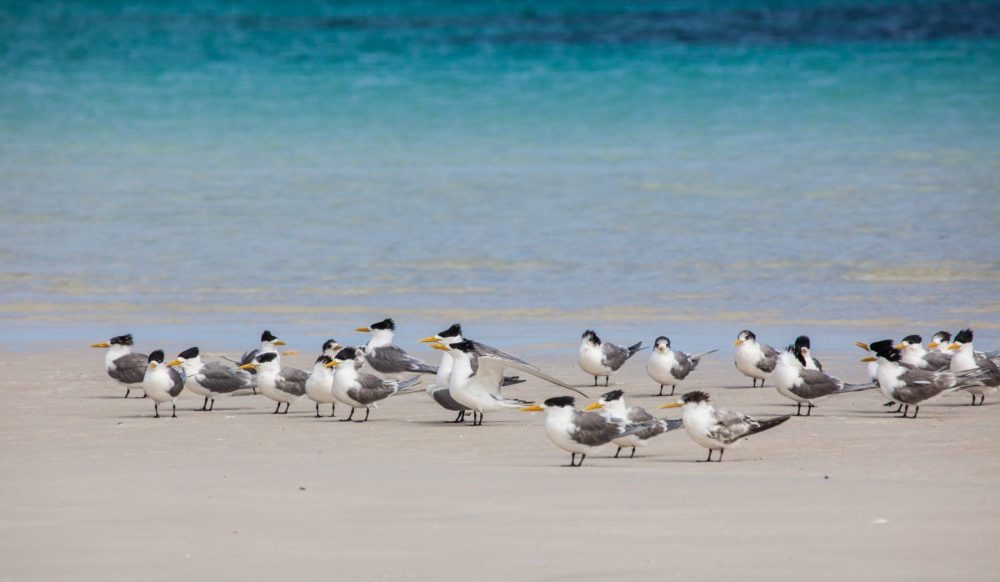
A 9am start from the Port Lincoln Hotel, and the first stop is five minutes away. Billy Lights Point sits on the fringe of coastal mallee above sheltered bays, which makes it an efficient first hour: cormorants, teal, oystercatchers and osprey on the water side; striated pardalote, western yellow robin, blue-breasted fairywren, white-browed babbler and rock parrot in the scrub behind. Then the bird hide at Tulka, where waders and seabirds come in over the shallows and the surrounding heath is one of the more reliable places on the lower peninsula for southern emu-wren. Into Lincoln National Park — roughly 29,000 ha of granite headland, coastal heath and dune, running from the Southern Ocean at Sleaford Bay round to the sheltered water of Spalding Cove. Sea-eagles and ospreys work the cliffs, kites and harriers the heath, and the mallee behind holds purple-gaped and spiny-cheeked honeyeaters, dusky woodswallow, blue-breasted fairywren and white-browed scrubwren, with malleefowl mounds the more likely find than the bird itself. Watch the track edges for Rosenberg’s goanna: fewer than several hundred survive in South Australia, about a hundred of them here, and a young one takes nine years to reach maturity. Stamford Hill carries the obelisk raised in about 1844 by Sir John Franklin, who had sailed with Flinders as a midshipman on the Investigator, on the spot where Flinders surveyed the gulf on 26 February 1802. An Australian-style picnic lunch, then Mikkira Station, a pastoral property taken up in 1842 by the Scottish settler Adam Borthwick. What brings people here now are the koalas, dozing in the manna gums at head height. They are not native to the Eyre Peninsula: six animals released here in 1969 founded a population that now occupies about 1,500 square kilometres of the southern peninsula. Emus and western grey kangaroos move through the old paddocks, and the eucalypts hold Port Lincoln parrots, black-faced cuckoo-shrikes, golden whistlers and the occasional scarlet robin.
Day 2
The east coast, the Koppio Hills and the Tod River
Day 3
Coffin Bay National Park and the oyster leases
Tour Collection: Photography

Tour Collection: Photography

Tour Collection: Bird Watching

Tour Collection: Bird Watching

Tour Collection: Citizen Scientists

Tour Collection: History & Fossils
Tour Collection: Bird Watching
Tour Collection: Bird Watching
Tour Collection: Citizen Scientists
Tour Collection: History & Fossils

Tour Collection: Bird Watching

Tour Collection: Indigenous & Culture
Tour Collection: Photography

Tour Collection: Nature & Wildlife

Tour Collection: Bird Watching

Tour Collection: Photography
Tour Collection: Photography
Tour Collection: Bird Watching

Tour Collection: Nature & Wildlife
Tour Collection: Bird Watching

Tour Collection: Nature & Wildlife

Tour Collection: Women’s Only
Tour Collection: Photography
Tour Collection: Photography
Tour Collection: Photography

Tour Collection: Nature & Wildlife

Tour Collection: Nature & Wildlife

Tour Collection: Photography

Tour Collection: Bird Watching
Tour Collection: Photography

Tour Collection: Indigenous & Culture

Tour Collection: Exclusive Expeditions

Tour Collection: Nature & Wildlife

Tour Collection: Exclusive Expeditions

Tour Collection: Active Adventure
Tour Collection: Photography

Tour Collection: Nature & Wildlife

Tour Collection: Conservation & Citizen Science

Tour Collection: Nature & Wildlife

Tour Collection: Nature & Wildlife

Tour Collection: Nature & Wildlife
Tour Collection: Photography

Tour Collection: Bird Watching

Tour Collection: Nature & Wildlife
Tour Collection: Photography
Tour Collection: Photography
Tour Collection: Bird Watching
Tour Collection: Bird Watching