
South Australia
Flinders Ranges Photography Safari
Tour Collection: Photography

5 Days
10 People
Easy
Five days on Kangaroo Island with the ecologists rebuilding it, based in one lodge at American River.
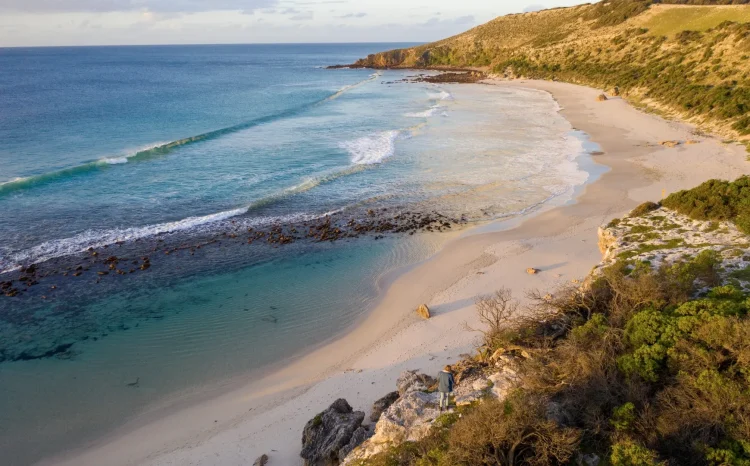
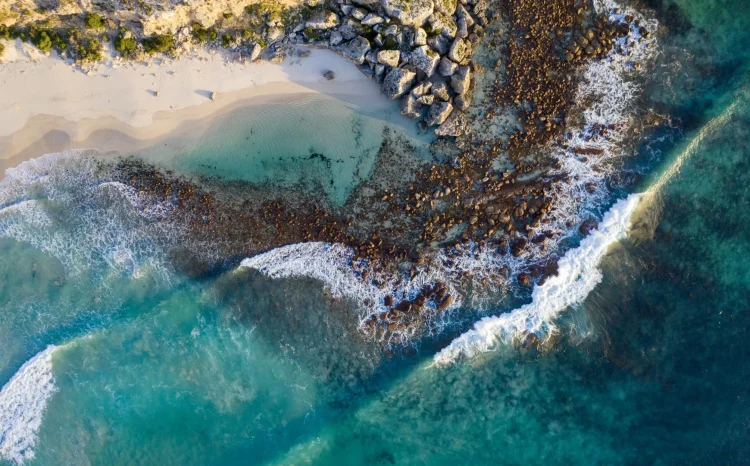
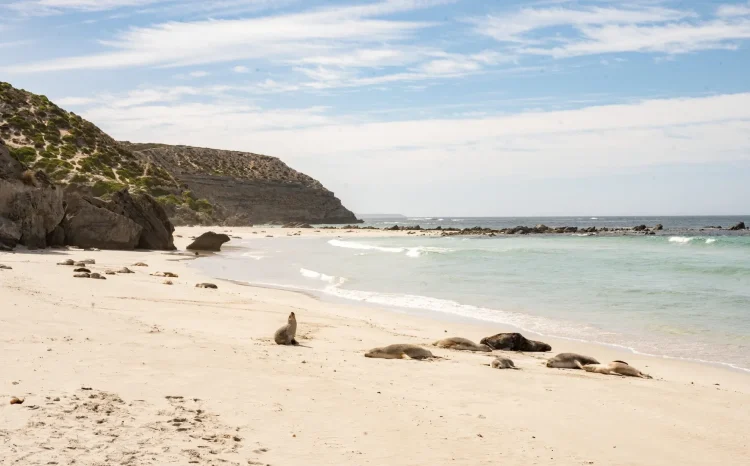
Five days on Kangaroo Island, based for four nights at the Mercure Kangaroo Island Lodge in American River, a fishing town of about 280 people on Pelican Lagoon. You unpack once and leave your bag there for the week. From that base the tour works outwards: Cygnet Park and Stokes Bay in the island’s north, Seal Bay on the south coast, Flinders Chase National Park and Cape du Couedic at the far western end, and D’Estrees Bay and Cape Gantheaume on the south-east. Transfers from Kingscote Airport or the Penneshaw ferry terminal are included. The group is capped at ten.
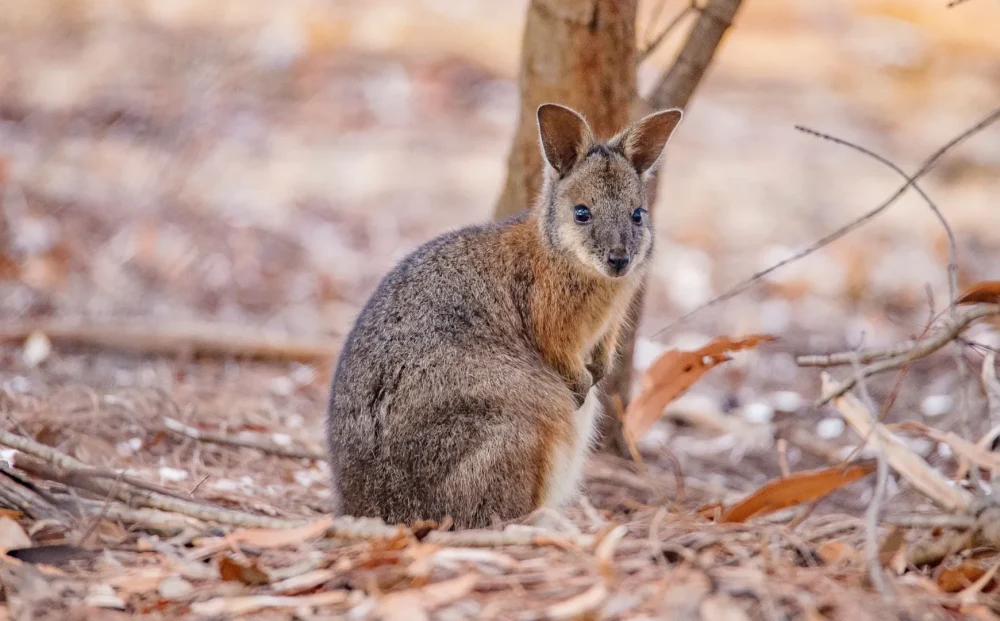
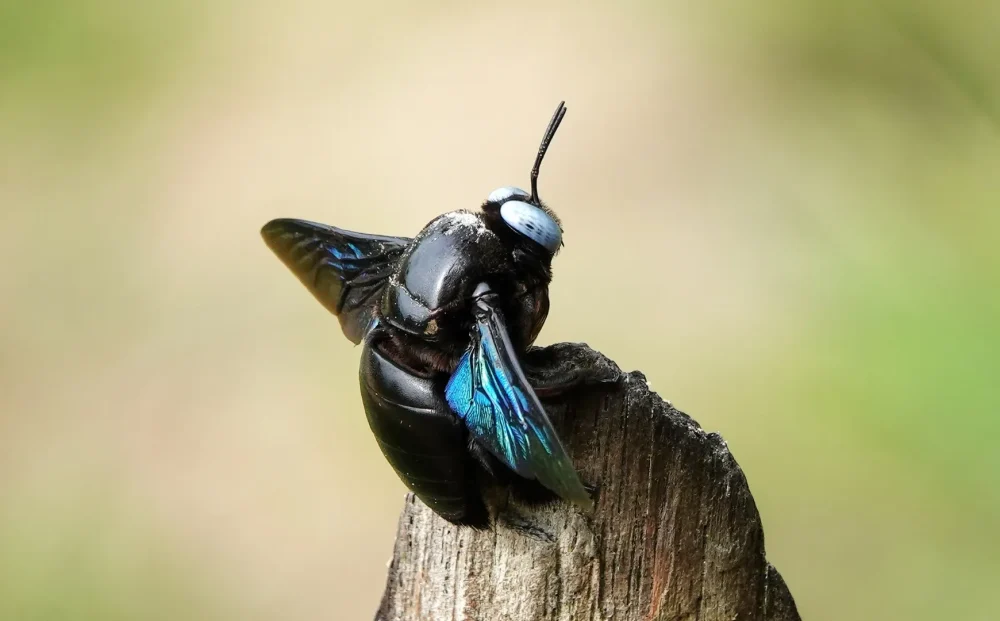
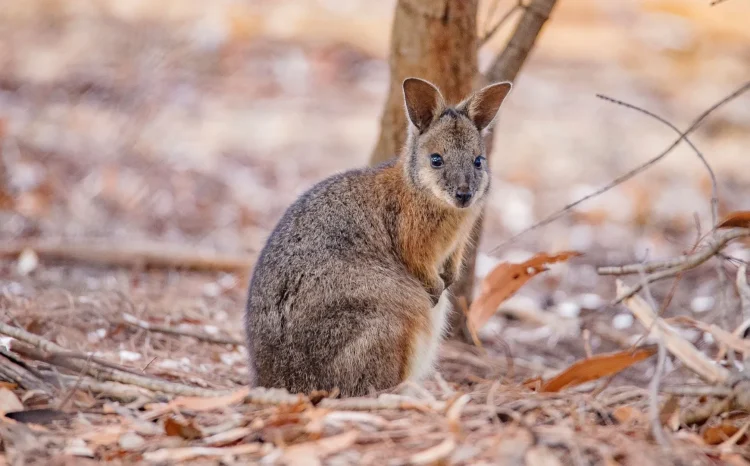
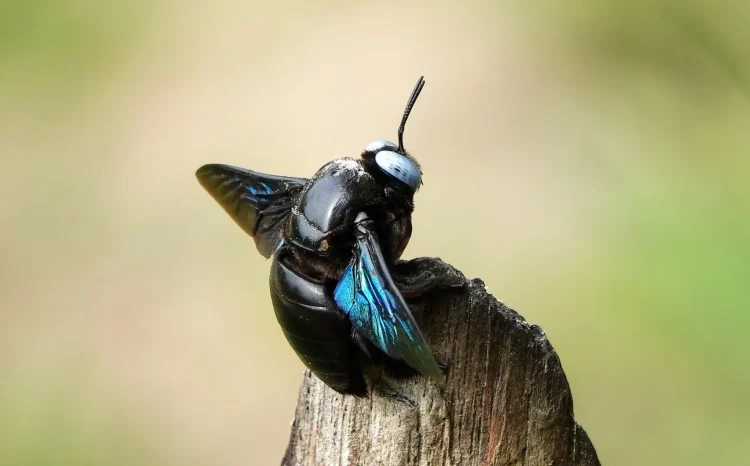
The tour centres on the people doing the conservation work. Cygnet Park is a 310 ha private sanctuary where the not-for-profit BioR has replanted 175 ha of cleared farmland with around 350,000 seedlings of more than 200 species since 2002; bird numbers there went from about 1,000 to more than 4,000 in under a decade. You sit in on a bird banding session, the same mist-netting and banding, run under the national Australian Bird and Bat Banding Scheme, that tells BioR whether its plantings are working. On the Flinders Chase boundary, a private refuge runs daylight and infrared camera traps on the small mammals that came off worst in the fires. At D’Estrees Bay you meet Dr Richard Glatz, the entomologist who has spent more than a decade trying to keep the green carpenter bee alive on the island by supplying artificial nesting stalks in place of the old banksia trunks the fires destroyed.
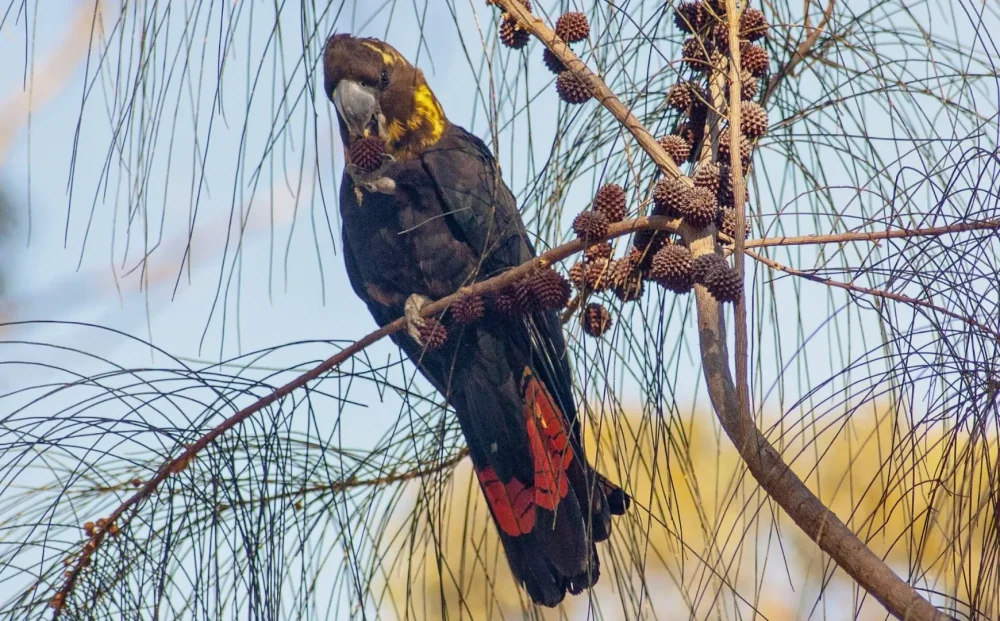
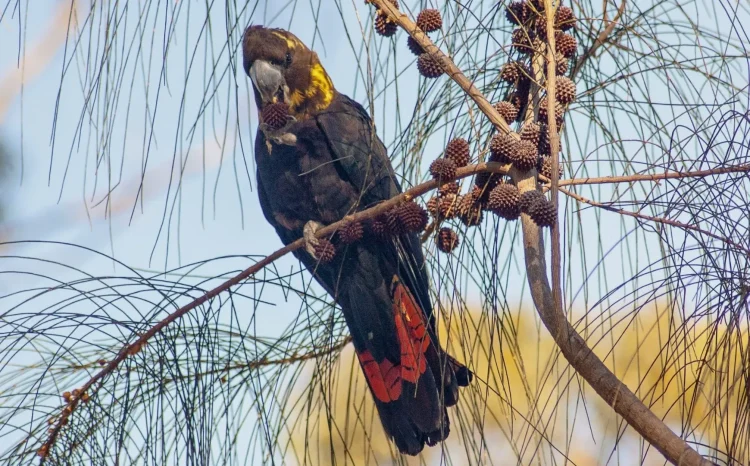
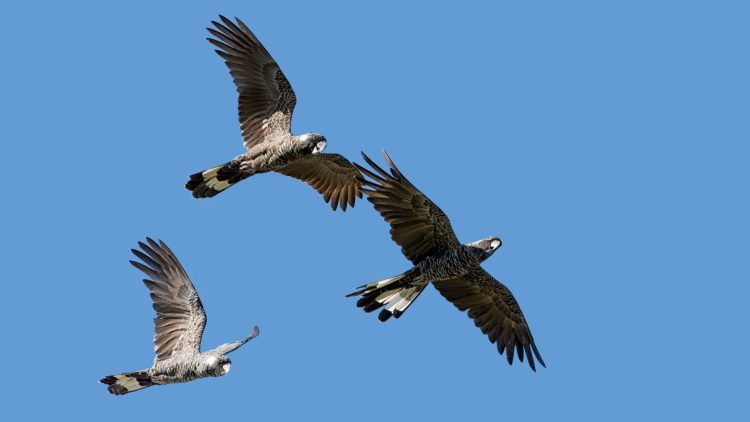
Kangaroo Island covers 4,405km², which makes it Australia’s third largest island, and it has been separated from the mainland for roughly 10,000 years. That is long enough for its own forms to appear: the glossy black-cockatoo here is a subspecies whose entire world population was counted at 446 birds in 2025, and the western whipbird, shy heathwren and southern emu-wren all have island races found nowhere else. There are no foxes and no rabbits. Between 20 December 2019 and 21 January 2020, fire burnt 211,474 ha, close to half the island, and 96% of Flinders Chase National Park. Much of what this tour looks at is what has happened since.
Day 1
Arrival on Kangaroo Island
Your driver meets you at Kingscote Airport or the Penneshaw ferry terminal and takes you to the Mercure Kangaroo Island Lodge at American River. Transfer times match your flight or ferry, so there is no fixed start. American River sits on Pelican Lagoon on the island’s eastern side and has about 280 residents. The name comes from a crew of American sealers who camped here for four months in 1803 and built a 35-ton schooner, the Independence, out of local timber. The afternoon is yours. There are no scheduled activities. Overnight: American River. Meals: none.
Day 2
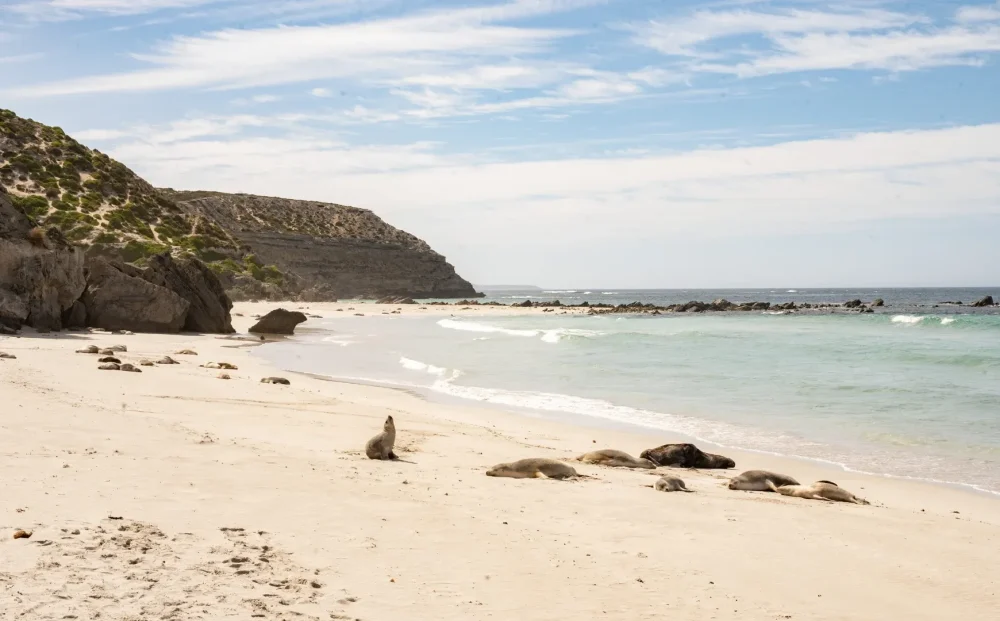
Bird banding at Cygnet Park, Stokes Bay and Seal Bay
Day 3
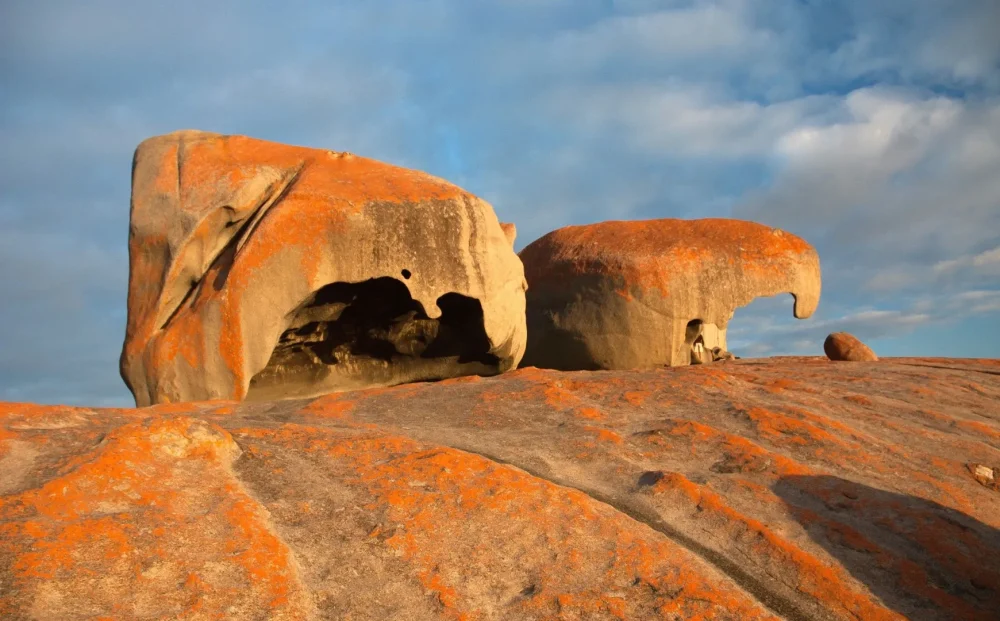
Flinders Chase and the southwest peninsula
Day 4
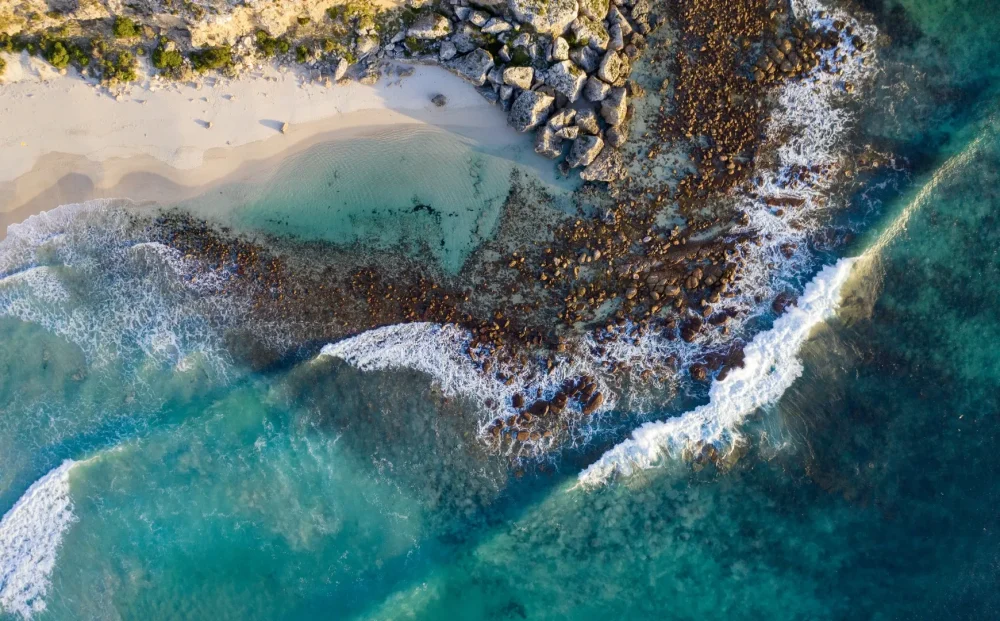
Cape Gantheaume coastal hike
Day 5
Farewell Kangaroo Island
How do I get to Kangaroo Island?
What time does the tour start and finish?
Do I need to book an extra pre-night?
Can I book a twin spot (half twin share) if I am travelling on my own?
What's the level of physical activity?
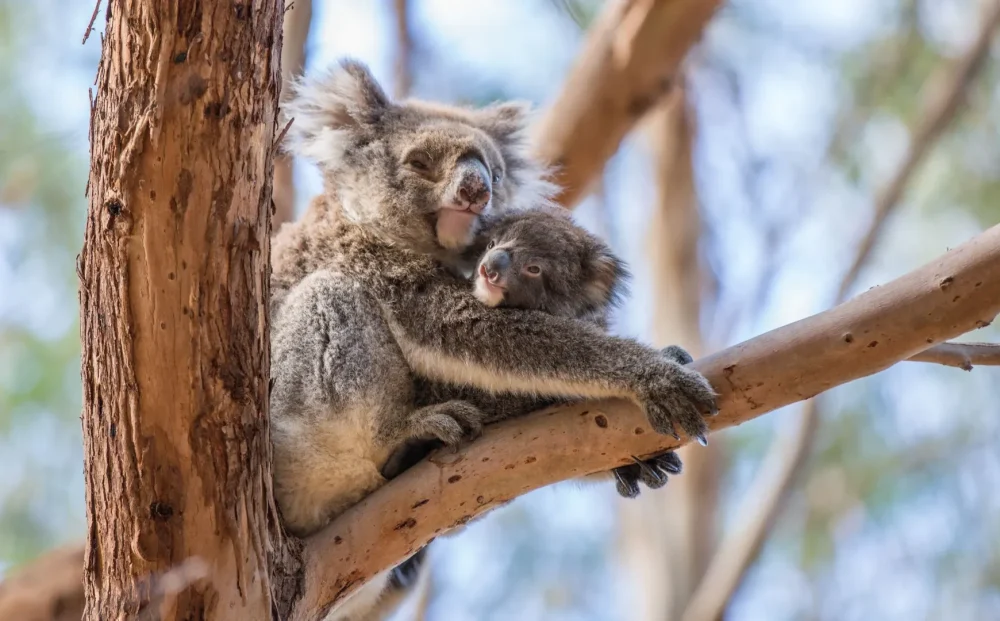
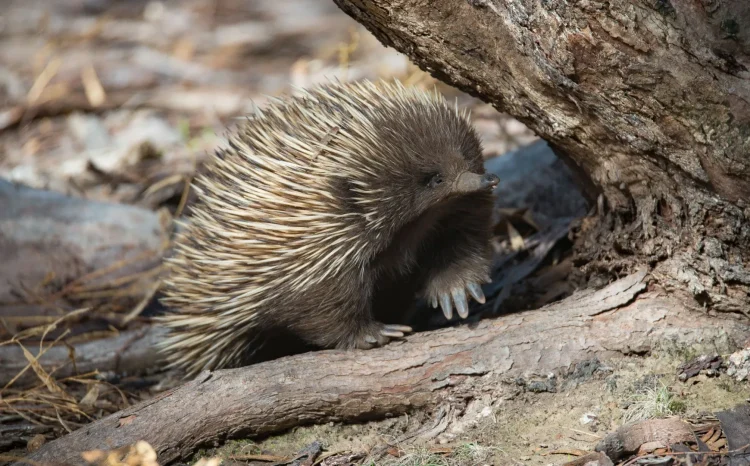
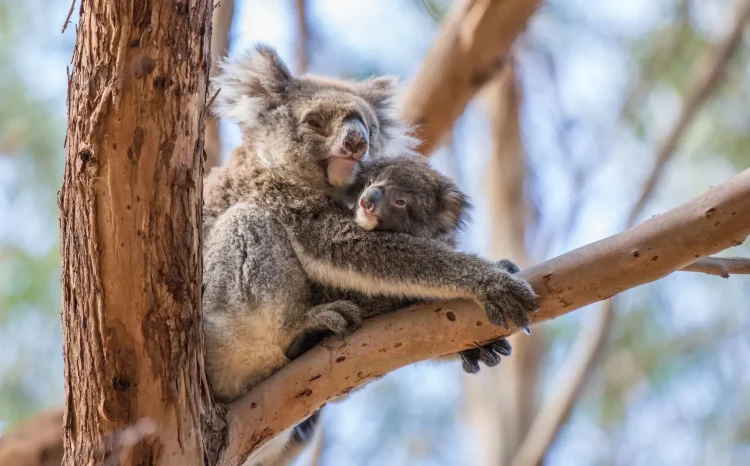
What wildlife will we see?
Can I book a private departure?

Tour Collection: Photography

Tour Collection: Photography

Tour Collection: Nature & Wildlife
Tour Collection: Bird Watching

Tour Collection: Bird Watching

Tour Collection: Citizen Scientists
Tour Collection: Nature & Wildlife

Tour Collection: Indigenous & Culture

Tour Collection: Exclusive Expeditions

Tour Collection: Exclusive Expeditions

Tour Collection: Active Adventure
Tour Collection: Photography

Tour Collection: Nature & Wildlife
Tour Collection: Bird Watching

Tour Collection: Nature & Wildlife

Tour Collection: Women’s Only
Tour Collection: Photography
Tour Collection: Photography
Tour Collection: Photography
Tour Collection: Photography
Tour Collection: Nature & Wildlife
Tour Collection: Bird Watching
Tour Collection: Bird Watching
Tour Collection: Citizen Scientists

Tour Collection: Nature & Wildlife

Tour Collection: Nature & Wildlife

Tour Collection: Conservation & Citizen Science

Tour Collection: Nature & Wildlife

Tour Collection: Nature & Wildlife
Tour Collection: Photography
Tour Collection: Photography

Tour Collection: Nature & Wildlife

Tour Collection: Nature & Wildlife

Tour Collection: Photography

Tour Collection: Bird Watching
Tour Collection: Photography

Tour Collection: Bird Watching

Tour Collection: Nature & Wildlife
Tour Collection: Photography
Tour Collection: Photography
Tour Collection: Nature & Wildlife
Tour Collection: Bird Watching
Tour Collection: Bird Watching
Tour Collection: Bird Watching
Tour Collection: Citizen Scientists

Tour Collection: History & Fossils

Tour Collection: Bird Watching

Tour Collection: History & Fossils
Tour Collection: Photography

Tour Collection: Photography

Tour Collection: Nature & Wildlife

Tour Collection: Bird Watching
Tour Collection: Photography
Tour Collection: Nature & Wildlife