
South Australia
Flinders Ranges Photography Safari
Tour Collection: Photography

Dates

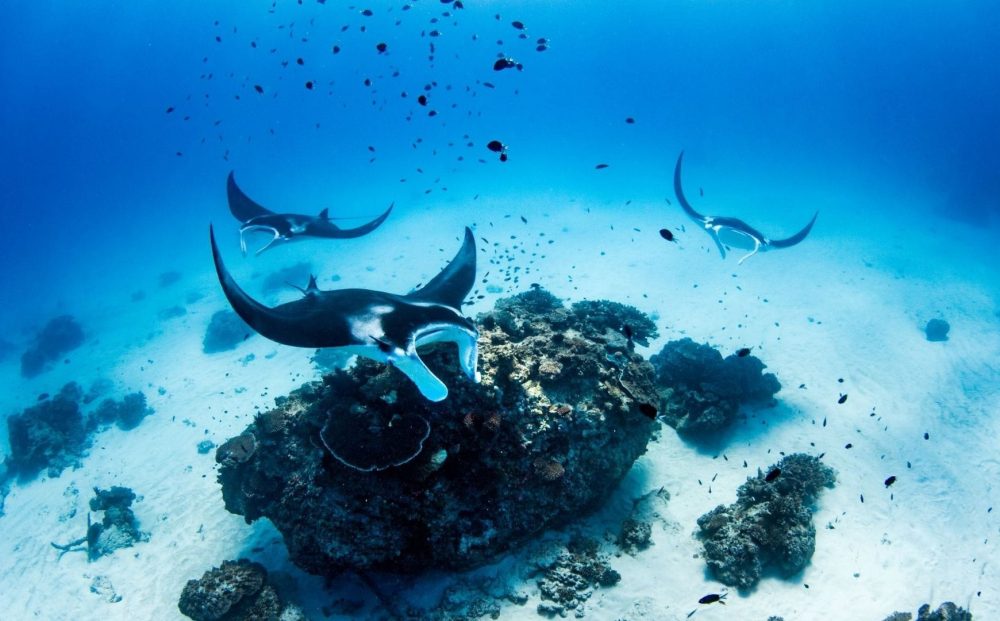
Your expert guide on Lady Elliot Island brings the reef to life, sharing insights from Project Manta. Passionate and knowledgeable, they help guests understand manta ray behaviour, contribute to citizen science, and connect deeply with this unique marine ecosystem.
5 Days
12 People
Easy to Moderate
Five days on Lady Elliot Island (the southernmost coral cay of the Great Barrier Reef), working alongside Project Manta researchers on private boat charters to collect reef manta ray data, participating in the Tag-free Turtle Project and the Leaf to Reef study and taking the Night Explorer Tour after dark.
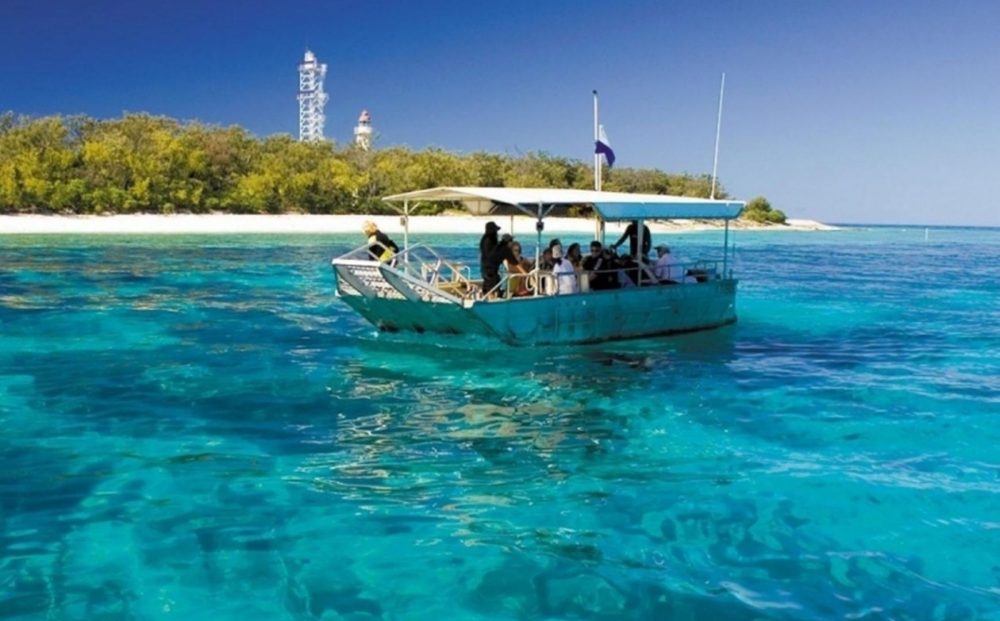
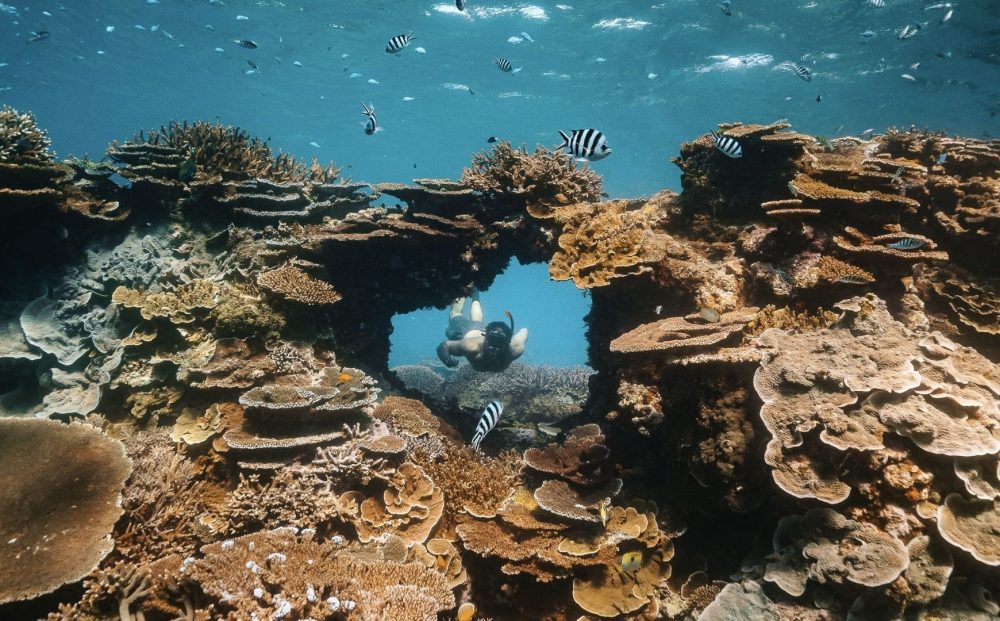
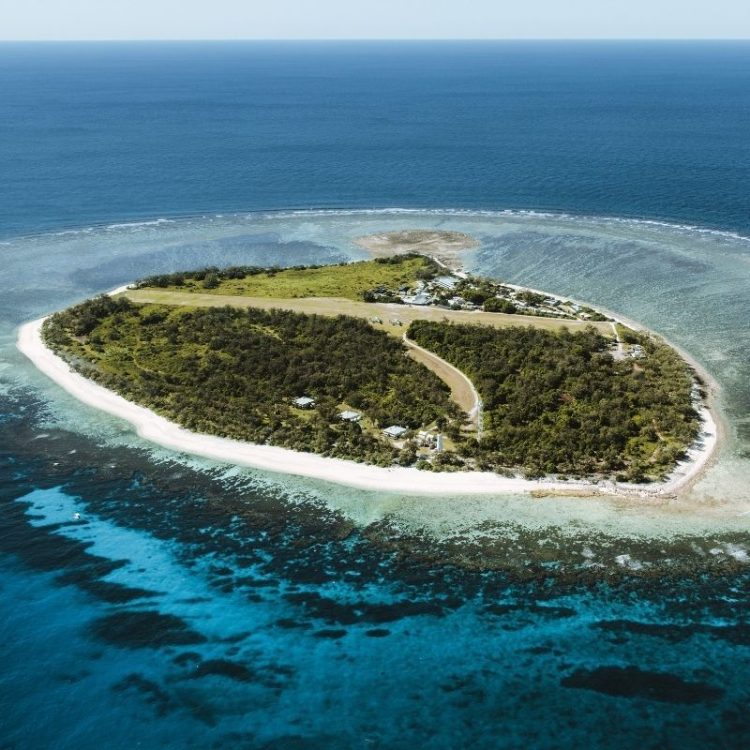
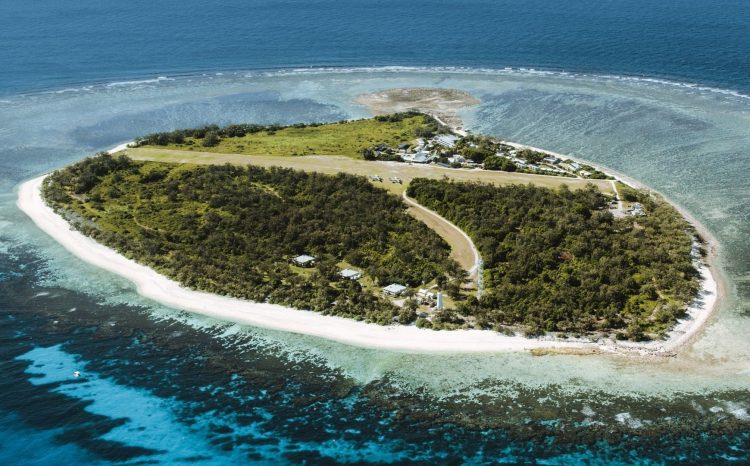
Lady Elliot Island sits 80 kilometres off the Queensland coast, accessible by small aircraft from Hervey Bay, Bundaberg, Brisbane or the Gold Coast. The tour spends four nights at Lady Elliot Island Eco Resort (an entirely self-sufficient island that generates its own power and water), with three days of guided research alongside a Project Manta scientist, a guided reef walk at low tide, the Tag-free Turtle Project lagoon snorkel and the Night Explorer Tour.
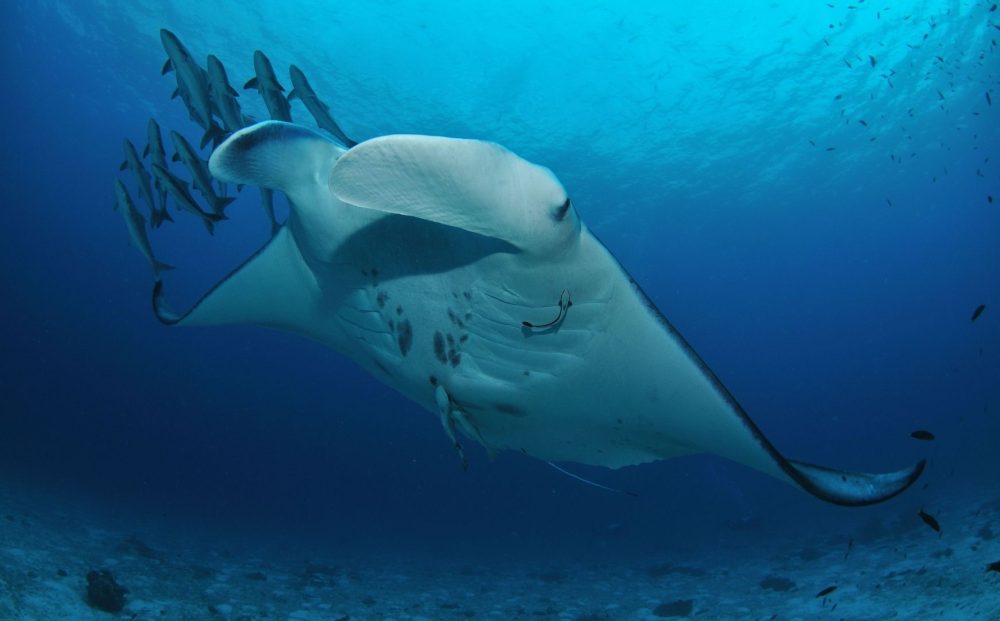
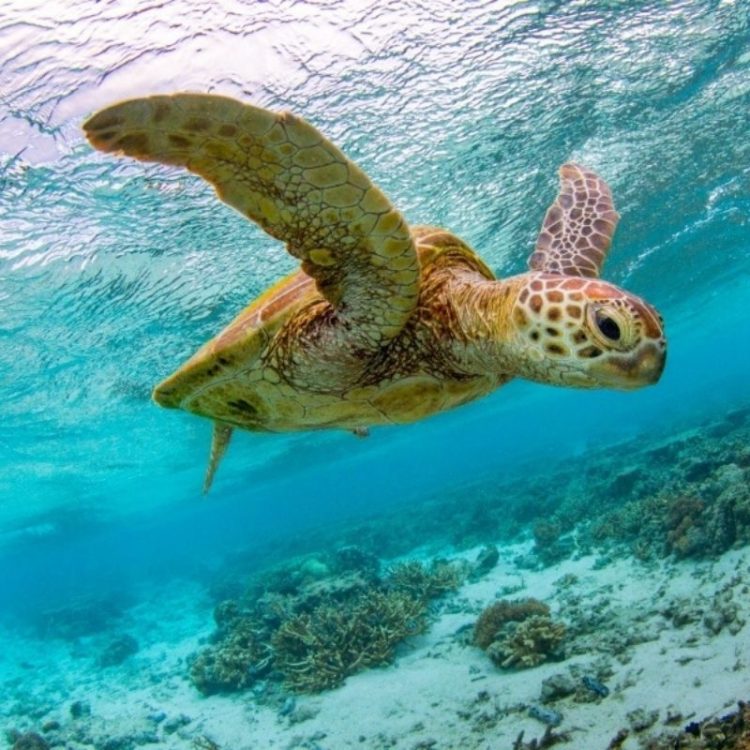
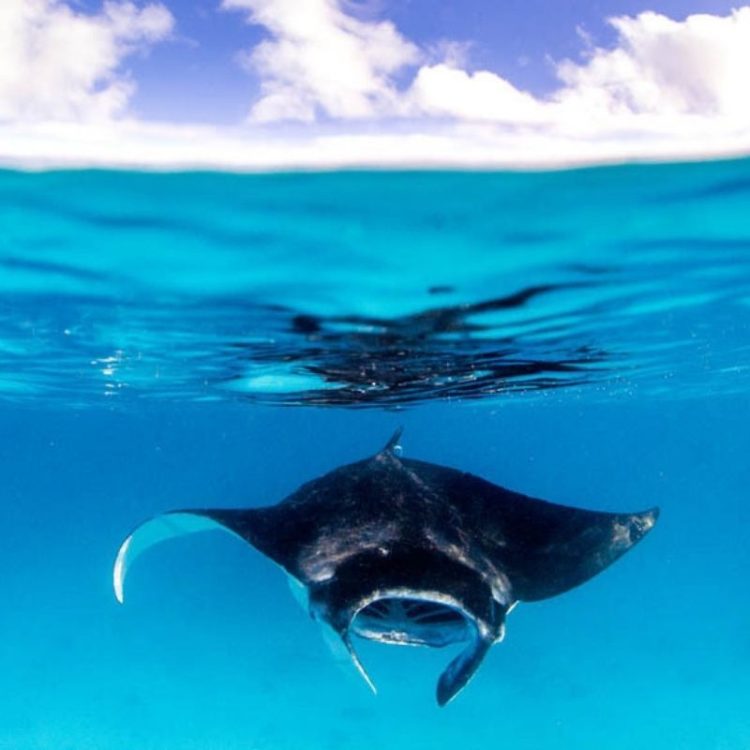
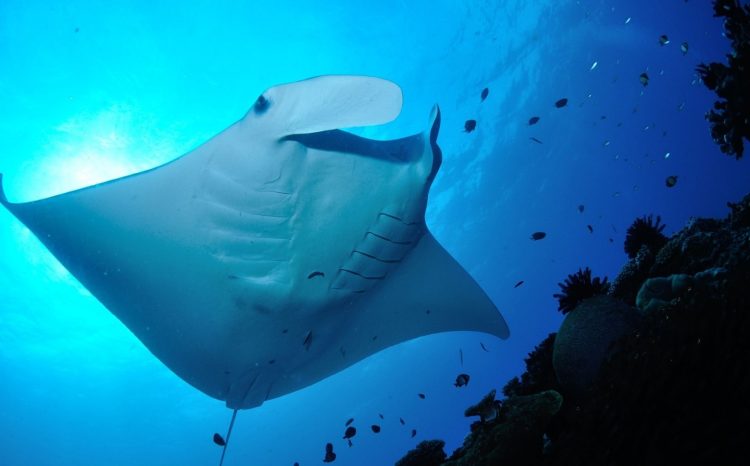
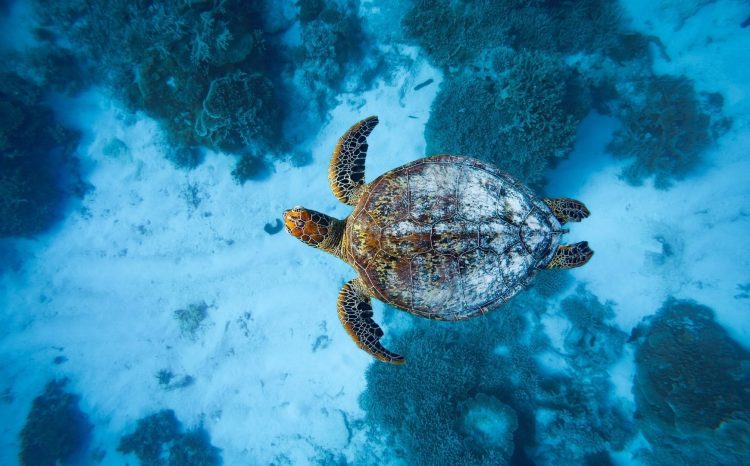
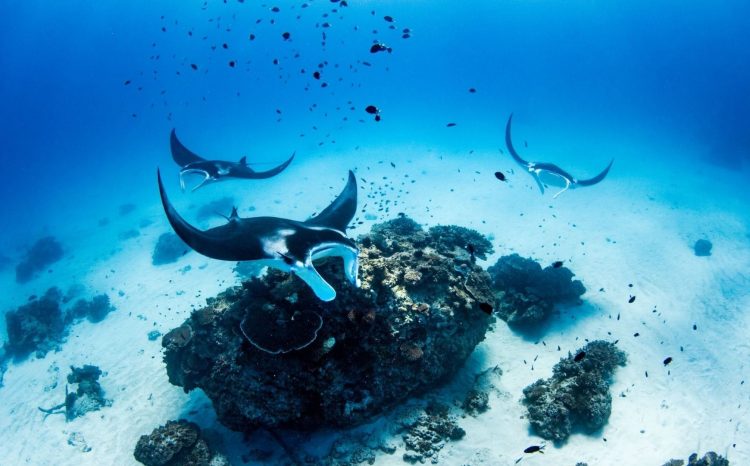
The expedition is built around Project Manta, a nationwide research program established in 2007 at the University of the Sunshine Coast to investigate the ecology and biology of manta rays around the Australian coastline. On each of the three research days, a private boat charter takes the group out to search for reef manta rays (Mobula alfredi) and sea turtles, with guests collecting photo-identification data alongside a trained researcher. Back on the island, sessions cover manta ray identification techniques, the history of individual animals recorded in these waters, and the data gathered over the expedition. Two other research projects run alongside the manta work: the Tag-free Turtle Project, which collects non-invasive data on green and loggerhead turtles in the lagoon, and Leaf to Reef, which investigates how the island’s revegetation program affects surrounding reef health, groundwater quality and nesting bird populations.
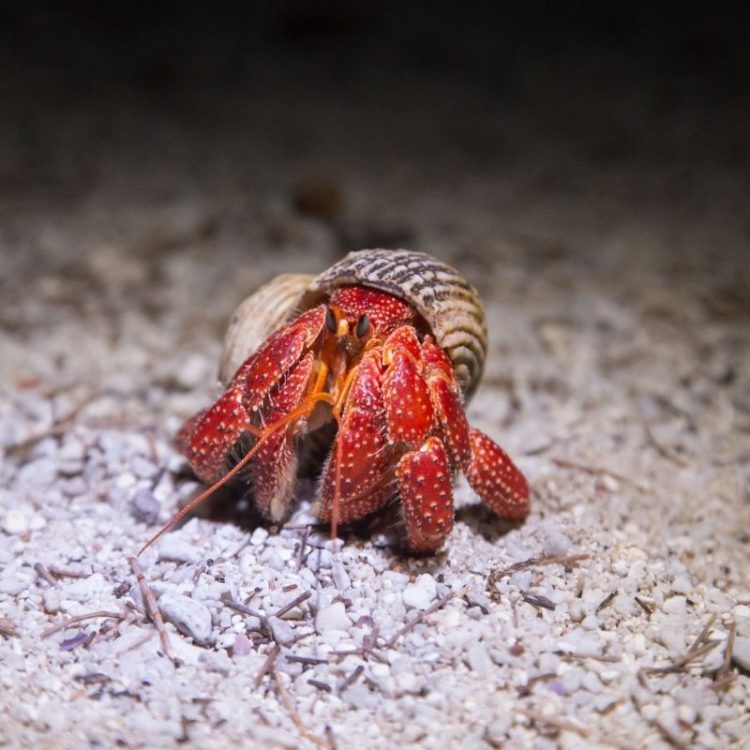
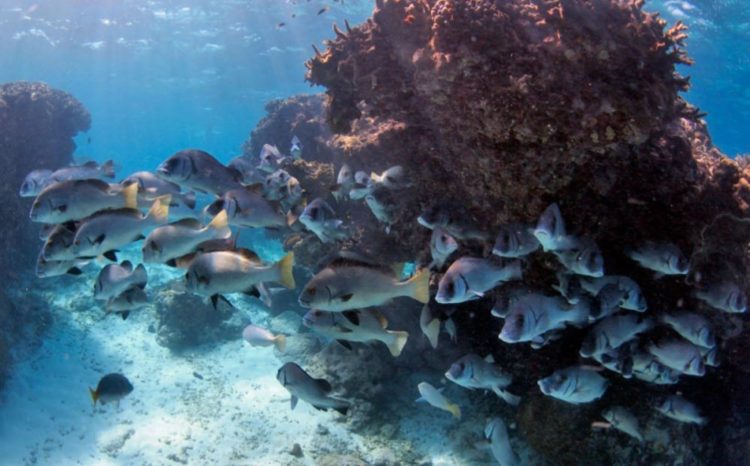
Lady Elliot Island is the southernmost coral cay of the Great Barrier Reef. The island was heavily degraded by guano mining and goat grazing in the 19th and early 20th centuries; a revegetation program begun in the 1980s has since restored much of the coral cay vegetation, and the island now holds one of the largest seabird colonies on the southern Great Barrier Reef, with nesting populations of black noddy, wedge-tailed shearwater and masked booby. The reef regularly records reef manta rays, green and loggerhead sea turtles, and humpback whales on their northward migration between June and November. Lady Elliot Island has no phone reception and minimal Wi-Fi; the research program runs to tides rather than clocks.
Important Note: The tour does not include return flights to Lady Elliot Island. Please choose your flight option depending on departure airport: ex Hervey Bay, ex Bundaberg, ex Brisbane or ex Gold Coast during the booking process. Please get in touch with our team to book your flights.
Please choose one of the four options when placing your booking:
- Return Airfare from Hervey Bay or Bundaberg: $549 (AUD) pp
- Return Airfare from Gold Coast or Brisbane (Redcliffe): $1049 (AUD) pp
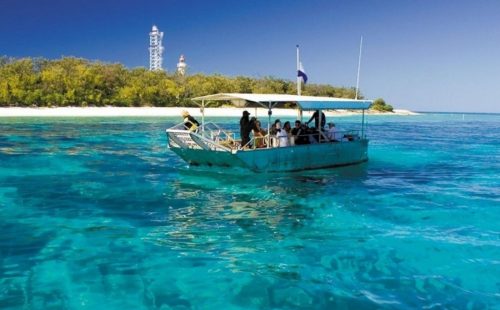
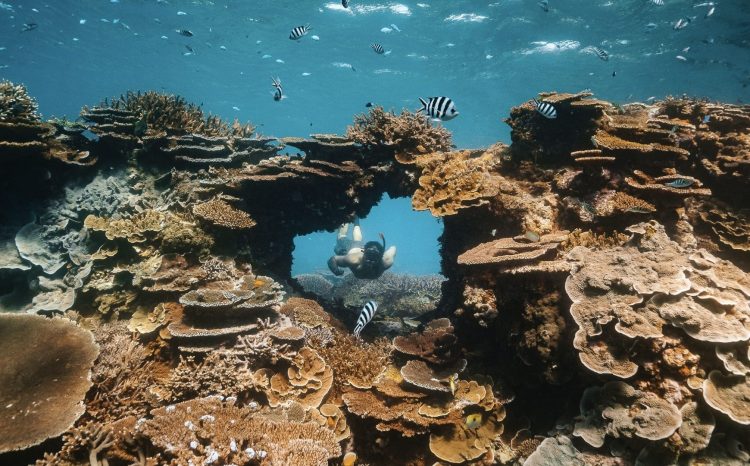
This tour is designed for people with a genuine interest in marine science and conservation who want to do real research work rather than observe it from the sidelines. The daily program involves snorkelling (participants should be comfortable in open water and reasonably confident swimmers) as well as walking on uneven reef surfaces at low tide during the reef walk, for which reef shoes are provided. No prior research or diving experience is required; the research methods are taught on site. Scuba diving is available at your own expense but is not part of the expedition program. Lady Elliot Island is accessed by small aircraft with a 15kg checked luggage limit and no phone reception; travellers should be comfortable with a remote island setting and weather conditions that affect the daily schedule.
Day 1
Welcome to Lady Elliot Island
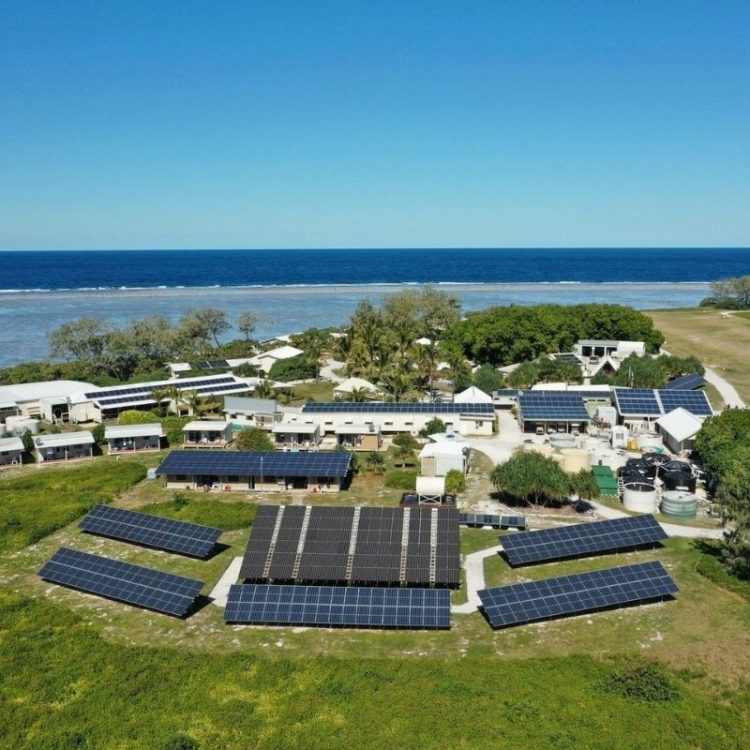
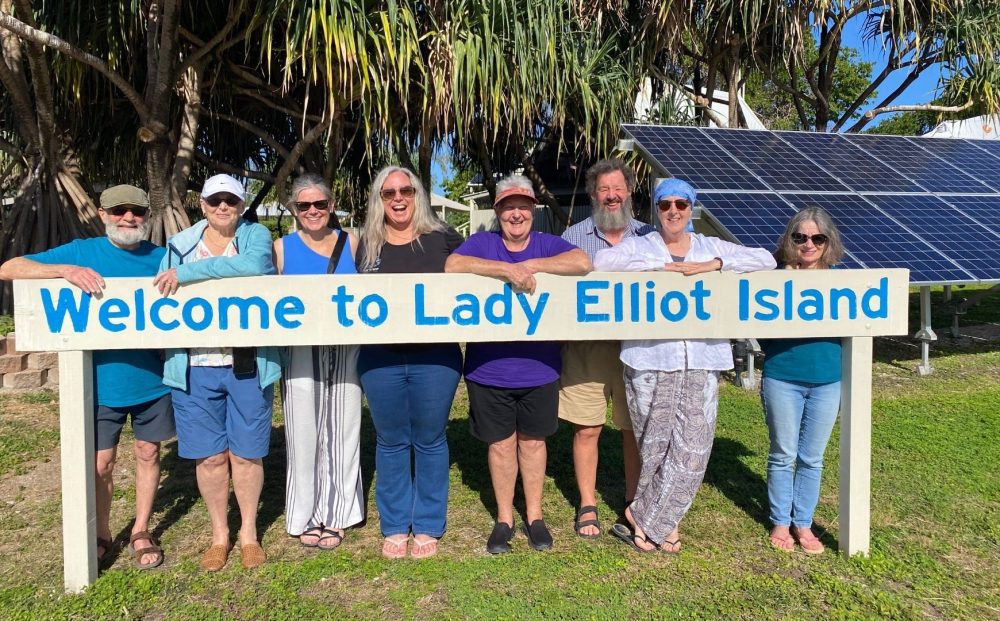
Fly to Lady Elliot Island, around 30 minutes from Hervey Bay or Bundaberg, or approximately 2 hours from the Gold Coast or Redcliffe. The island guide meets you on the airstrip for an orientation and an explanation of the day’s available activities. Rooms are available from 1pm; luggage storage is provided on arrival. The afternoon includes a behind-the-scenes tour of the island’s infrastructure. Lady Elliot runs entirely on solar power and rainwater collection, with no mainland supply lines. At sunset, head to the lighthouse with a drink from the bar, followed by dinner in the beachfront dining room. Overnight: Lady Elliot Island Eco Resort. Meals: L/D.
Day 2
Introduction to Project Manta and Great Barrier Reef Research
Day 3
Manta Ray Research, Leaf to Reef and Turtle Conservation
Day 4
Reef Walk, Final Boat Charter and Night Explorer Tour
Day 5
Farewell Lady Elliot Island

How do I get to Lady Elliot Island?
What is the luggage limit for the flight?
What level of swimming confidence is required?
What research will we be contributing to?
What wildlife can we expect to see?
Is there phone reception on the island?
Can I book a private departure?
Tour Collection: Photography

Tour Collection: Photography

Tour Collection: Nature & Wildlife
Tour Collection: Bird Watching

Tour Collection: Bird Watching

Tour Collection: Citizen Scientists
Tour Collection: Nature & Wildlife

Tour Collection: Indigenous & Culture

Tour Collection: Exclusive Expeditions

Tour Collection: Exclusive Expeditions

Tour Collection: Active Adventure
Tour Collection: Photography

Tour Collection: Nature & Wildlife
Tour Collection: Bird Watching

Tour Collection: Nature & Wildlife

Tour Collection: Women’s Only
Tour Collection: Photography
Tour Collection: Photography
Tour Collection: Photography
Tour Collection: Photography
Tour Collection: Nature & Wildlife
Tour Collection: Bird Watching
Tour Collection: Bird Watching
Tour Collection: Citizen Scientists

Tour Collection: Nature & Wildlife

Tour Collection: Nature & Wildlife

Tour Collection: Conservation & Citizen Science

Tour Collection: Nature & Wildlife

Tour Collection: Nature & Wildlife
Tour Collection: Photography
Tour Collection: Photography

Tour Collection: Nature & Wildlife

Tour Collection: Nature & Wildlife

Tour Collection: Photography

Tour Collection: Bird Watching
Tour Collection: Photography

Tour Collection: Bird Watching

Tour Collection: Nature & Wildlife
Tour Collection: Photography
Tour Collection: Photography
Tour Collection: Nature & Wildlife
Tour Collection: Bird Watching
Tour Collection: Bird Watching
Tour Collection: Bird Watching
Tour Collection: Citizen Scientists

Tour Collection: History & Fossils

Tour Collection: Bird Watching

Tour Collection: History & Fossils
Tour Collection: Photography

Tour Collection: Photography

Tour Collection: Nature & Wildlife

Tour Collection: Bird Watching
Tour Collection: Photography
Tour Collection: Nature & Wildlife